---
title: "Caspian Convoy: Russia Restores Iran's Military Arsenal via Sea Deliveries"
description: "🚨 Caspian Convoy: Russia Restores Iran's Military Arsenal According to European sources, Russia is actively transporting TNT, ammunition, and drone parts to Iran via the Caspian Sea. This is necessary for Tehran to restore its forces after strikes by the US and Israel. 🔹 Kremlin Strategy: Iranian strikes on the US distract Washington's resources from Ukraine. 🔹 Logistics Resilience: Despite Israel's strike on the port of Bandar-e Anzali in March 2026, deliveries have been restored. 🔹 Secrecy: Moscow and Tehran do not comment, while the West assesses the damage to Iranian infrastructure. #Iran #Russia #War #Drones #Geopolitics"
date: 2026-08-18T13:52:05.000Z
lang: en
url: https://xab.info/en/posts/caspian-convoy-russia-restores-iran-military-arsenal-sea-deliveries
tags: [iran, russia, military-logistics, drones, middle-east-conflict, caspiam-sea]
publisher: "XAB.info"
---
# Caspian Convoy: Russia Restores Iran's Military Arsenal via Sea Deliveries
## 🎯 Key Points
- Russia is supplying Iran with TNT and drone components via the Caspian Sea.
- Deliveries are intended to restore the Iranian arsenal after US and Israeli strikes.
- The Israeli strike on the port of Bandar-e Anzali in March 2026 did not stop logistics.
- Support for Iran helps Russia distract US resources from Ukraine.
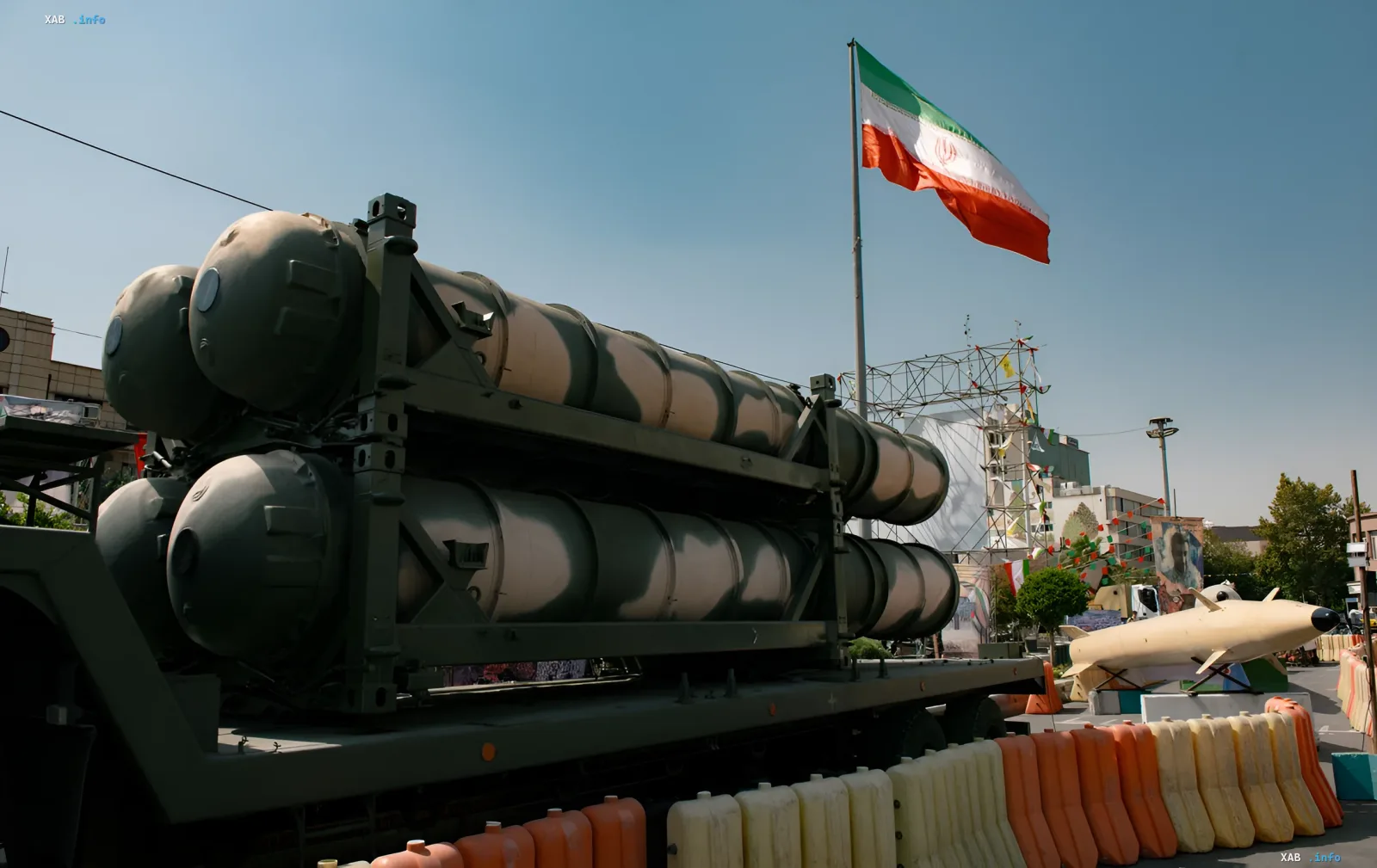
In August 2026, the geopolitical situation in the Middle East and the Caspian region intensified following the confirmation of new facts regarding military logistics between Moscow and Tehran. According to data obtained from European government sources, Russia is actively using the Caspian Sea to transport critical military cargo to Iran. This includes tons of trinitrotoluene (TNT), components for the production of unmanned aerial vehicles (UAVs), and various types of ammunition.
### Restoring the Arsenal After Strikes
These deliveries are part of a large-scale program to restore Iran's military potential, which suffered significant losses during recent hostilities against the US-Israeli coalition. Iranian military infrastructure, including drone production plants and storage complexes, was seriously damaged. Purchasing raw materials and finished components from its Russian partner allows Tehran to replenish shortages and resume arms exports to its allies.
### US Distraction Strategy
An analysis of the Kremlin's motives suggests that support for Iran goes beyond traditional allied loyalty. Experts note Moscow's pragmatic calculation: every Iranian strike on US assets in the Persian Gulf forces the United States to redirect resources to the Middle East. This, in turn, reduces the volume of aid Washington is able to send to Ukraine. Thus, support for Tehran indirectly influences the balance of power in the European theater of operations.
### Resilience of the Logistics Chain
The Caspian route has become a key link in this scheme, as Western forces possess neither legal nor practical leverage to block it. Despite Israel's attempt to break this supply chain in March 2026—when Israeli aviation struck the Bandar-e Anzali port complex, destroying ships and infrastructure—logistics were quickly restored. Intelligence data indicates that shipments between Russian and Iranian ports continue with previous intensity.
### Contradictory Data
There are discrepancies in assessments of the effectiveness of these deliveries. On one hand, Western intelligence confirms the fact of regular shipments of TNT and components. On the other hand, US officials refrain from public assessments of how successfully Iran is restoring its capabilities. A full assessment of the damage inflicted on Iranian infrastructure during previous conflicts is still ongoing, making it difficult to accurately predict the imminent resumption of mass exports of Iranian weapons to Lebanon, Iraq, and Syria.
### Technological Exchange and the Future of the Conflict
Parallel to raw material deliveries, Russia is scaling up the use of its own drone interception technologies, utilizing developments gained from studying Ukrainian kamikaze drones. At the same time, Tehran is gaining access to technologies that allow for the creation of faster and more difficult-to-intercept jet drones. This exchange of technology and resources creates a vicious cycle, complicating the situation for Western countries and their partners on both fronts.
## ❓ FAQ
### Q: What exactly is Russia supplying to Iran?
**A:** According to data, Russia is transporting trinitrotoluene (TNT), ammunition, and parts for the production of drones.
### Q: Why is the Caspian Sea being used?
**A:** The Caspian route was chosen because Western forces lack the legal and practical leverage to block it.
### Q: Was Israel able to stop the deliveries?
**A:** Despite the strike on the port of Bandar-e Anzali in March 2026, intelligence data indicates that shipments have been restored.