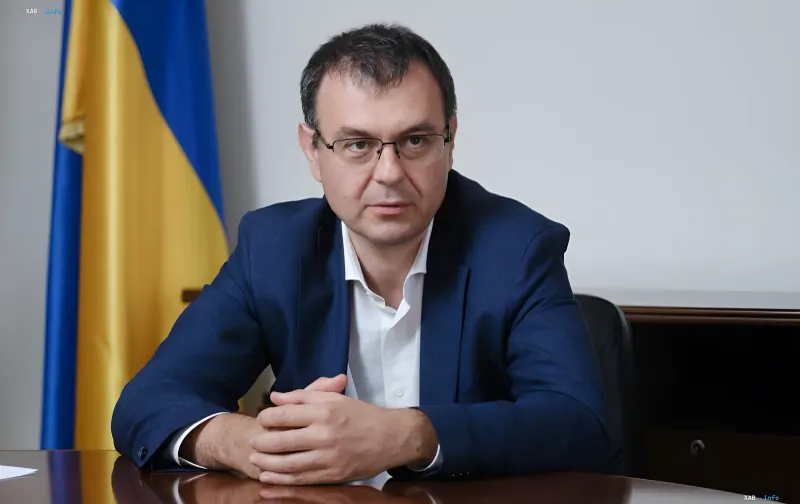
Ukrainian business is on the verge of a standstill due to unprecedented losses from Russian shelling. Daniil Hetmanets, head of the Verkhovna Rada's Finance Committee, stated in an exclusive interview with RBC-Ukraine that no company can compensate for losses on its own, and state support programs require urgent revision. According to him, losses for giants like "Epitsentr" and Rozetka are measured in billions of hryvnias, putting the employment of hundreds of thousands of people at risk.
Scale of destruction: business in a "super-complex" situation
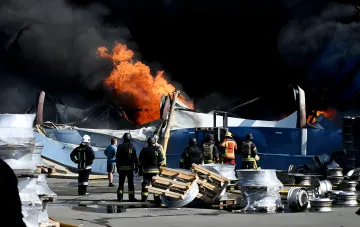
The situation in the Ukrainian business sector, according to Hetmanets, has reached a boiling point. During a meeting with business representatives in the Verkhovna Rada committee, it became clear that entrepreneurs are in a state of despair. Russian strikes on logistics centers and production facilities have dealt a crushing blow to the country's ecosystem. In particular, the company Rozetka lost $70 million, which was withdrawn from circulation and cannot be returned. "Epitsentr" lost its central factory, which, according to the speaker, is the most modern in Europe and will definitely not be restored now.
Hetmanets emphasizes that this is not just about corporations, but about tens of thousands of jobs. "Epitsentr" employs 40,000 people, and around brands like "Nova Poshta", "Silpo", and ATB, there is a huge network of small and medium-sized enterprises. According to the deputy, the shelling literally "sucked the financial blood" out of this ecosystem, putting companies on the verge of stopping.
The lending dilemma: why banks are not helping
The key problem facing large businesses is the lack of accessible credit. The existing "5-7-9%" program, in Hetmanets' opinion, is ineffective because banks prefer risk-free investments in National Bank deposit certificates and government bonds, receiving a guaranteed percentage. At the same time, the real sector remains without financing. "The National Bank has withdrawn from this problem – for them 'everything is fine', they report on the growth of lending. But business looks at these reports and does not understand what money they are talking about," concludes the head of the committee.
To save the situation, businesses need two things: cheap loans and portfolio guarantees. Since enterprises have lost real estate that could be provided as collateral, the state must act as a guarantor for the return of loans. The needs of giants like "Epitsentr" or "Nova Poshta" are measured in billions of hryvnias, and only interest rate subsidies and the provision of state guarantees can help them survive.
Superprofit tax on banks and the shadow economy
Hetmanets also touched upon the issue of taxation of the banking sector. The deputy considers it an anomaly when banks make superprofits precisely during the war, using National Bank tools to tie down inflation. As a solution, he proposes to tighten the superprofit tax, citing the successful experience of the USA during World War II. "We did this in Ukraine – we have three years of tax operation, excellent budget revenues and no negative impact on the stability of the banking system," the politician asserts.
In addition, a worrying figure was mentioned in the interview: the shadow economy "steals" more than 1 trillion hryvnias from Ukraine annually. Hetmanets called this one of the main problems requiring a solution, as this significantly reduces the state's fiscal base and opportunities to support affected businesses.
Contradictory data
While Daniil Hetmanets insists on the need to expand support programs for large businesses, there are disagreements in the expert community regarding financing mechanisms. On the one hand, the deputy claims that the budget cannot compensate for direct losses (which amount to approximately one year's GDP), but must subsidize loans. On the other hand, sources indicate that current insurance program limits (for example, through the Export Credit Agency) amount to only 30 million hryvnias, which is a negligible sum for large networks. This creates a situation where programs formally exist but in fact do not work for those who need them most.
Prospects and challenges of the new winter
Ukraine is facing another difficult winter season, which brings new energy challenges. Business expects from the state not only financial support but also a clear strategy of action. Hetmanets calls on the government to expand support tools to prevent the collapse of the economic system. However, given the limited budget resources and the scale of destruction, the question of how exactly the state will be able to provide guarantees for the return of loans for billion-dollar projects remains open.