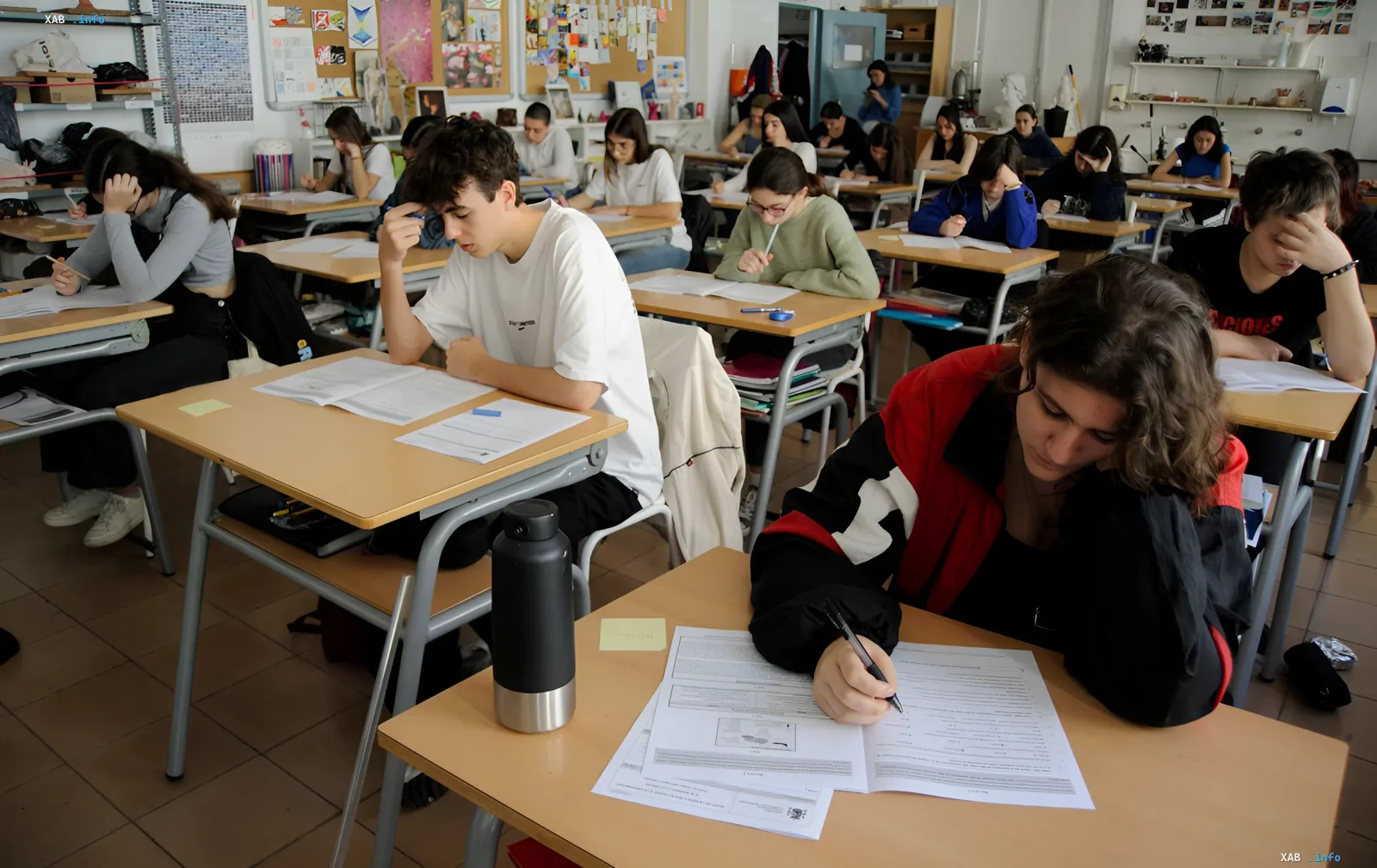
On June 8, a drama unfolded in the Odesa region, becoming a true test for thousands of graduates. On the day of the National Multidisciplinary Testing (NMT), applicants faced unprecedented difficulties: due to constant air raids, the exam stretched to nearly 13 hours. Many were forced to spend a significant amount of time in shelters without proper conditions, leading to physical and emotional exhaustion.
Mass exodus: who and why is requesting a retake
According to official data, 1,349 applicants arrived for the exam in the region on that day. However, immediately after the testing concluded, 105 individuals filed applications to participate in an additional session. This means that almost every 13th participant was unable to complete the procedure in standard mode.
The Department of the Center for the Evaluation of Education Quality (DCEEQ) acknowledges that prolonged stays in temporary testing centers (TTCs) due to security situations indeed exhaust applicants. The department emphasizes that their main goal is to ensure transparent access to education, despite the conditions of a full-scale war.
"Participants who were unable to complete the testing due to circumstances related to air raids, specifically due to fatigue, deteriorating health, or psycho-emotional state, were informed about the possibility of participating in additional NMT sessions," stated the DCEEQ.
Annulment of results and the appeal procedure
Once the appeal commission approves admission to the additional session, the results of the preliminary testing will be officially annulled. This guarantees that applicants will not be penalized for circumstances beyond their control.
If an applicant believes that the procedure was violated during the exam, they have the right to file a complaint. In this case, the regional center (RCEEQ) conducts a thorough investigation: classroom protocols and observation cards are analyzed, and official explanatory notes are requested from responsible persons and instructors.
Safety as a priority: where are exams held?
The security situation remains critically important. As of 2026, only 33% of temporary testing centers in the Odesa region are located directly in civil defense shelters. The rest are in regular classrooms, creating additional risks during air raids.
The establishment of TTCs is carried out jointly by the DCEEQ, educational institutions, and city administrations. However, the creation of centers in shelters directly depends on the material and technical base of specific schools and the availability of premises meeting all requirements.
State reaction and new rules
The situation has caused a wide public resonance. The Verkhovna Rada initiated a discussion of the case with the head of the DCEEQ, Tatyana Vakulenko. The Ministry of Education and Science of Ukraine also responded, clarifying: if the total duration of air raids during the two stages of testing exceeds 2.5 hours, those responsible for the TTCs, together with the RCEEQ, decide on the expediency of continuing the testing.
Thus, the system is trying to adapt to the realities of war, maintaining a balance between safety, quality of education, and the rights of applicants. However, the question remains open: how many more such days will graduates have to endure to get a chance at their future?


