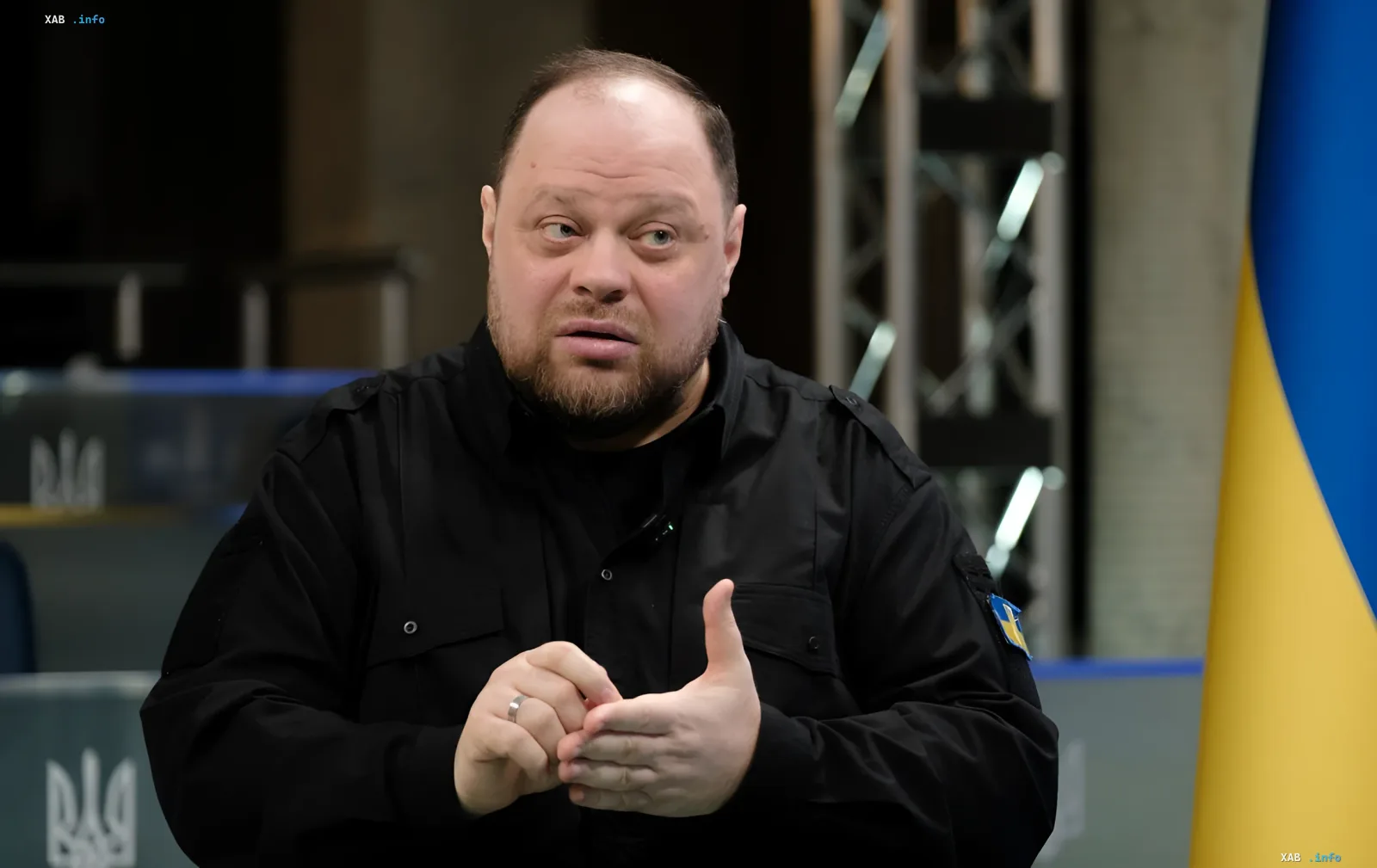
The process of reforming Ukraine's private law has entered an active phase. The Chairman of the Verkhovna Rada, Ruslan Stefanchuk, announced shocking statistics: more than 15,000 amendments were submitted to the draft of the new Civil Code. However, as it turned out, behind this figure lies not so much mass discussion as an attempt by certain politicians to block the adoption of the document.
The Mathematics of Blocking
At first glance, the number 15,328 seems like an impressive indicator of public activity. But, as the head of parliament notes, the Code itself has nearly 2,000 articles. If you divide the number of amendments by the number of articles, it turns out to be only 7-8 amendments per item. For comparison, in the history of Ukrainian legislation, there have been cases where hundreds of amendments were made to a single article.
The true picture becomes clear when analyzing the authors. The vast majority of amendments—thousands of proposals—were prepared by just three or four deputies. Stefanchuk directly points out the motivation: this is a classic attempt to block the consideration of the draft in the second reading by overloading it technically.
The Paradox of Time
The most acute point in the speaker's comments was the question of time. Earlier, some elected representatives stated that they did not have enough of the six months allocated for public discussion to study the text of the bill in detail. Nevertheless, in the subsequent 21 days, these same deputies managed to prepare 7-8 thousand amendments each.
"The only thing that is difficult to understand is how certain colleagues, who said they didn't have enough 6 months... managed in 21 days to submit 8 thousand amendments each. I sincerely hope that they managed not only to write them but also to read them," Stefanchuk concluded ironically.
Constructiveness and Compromise
Despite political games, work on the document continues. The other deputies, according to the speaker, submitted a "reasonable number" of constructive amendments. These proposals will be discussed in detail by the working group. The authorities state their readiness for compromises and joint improvement of the text.
In addition, active dialogue with public associations and professional associations continues. Some of their remarks have already been taken into account, including in the amendments of the Chairman of the Verkhovna Rada himself.
Key Changes in the Document
Recall that on April 28, parliament supported the bill on updating the Civil Code as the basis. The document became the foundation of the reform, but from the start it caused a wave of criticism. In particular, during the adoption of the draft, the most controversial norms were removed from the text. Thus, the possibility of entering into marriage at the age of 14 was removed, while the possibility of entering into marriage at the age of 16 was retained.


