
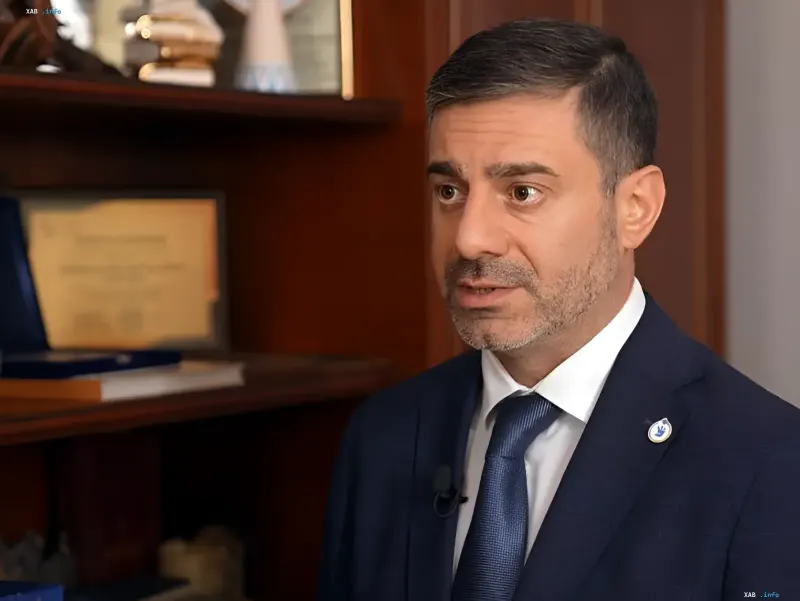
During a broadcast on the national telethon, Dmytro Lubyntsev, the Commissioner for Human Rights of the Verkhovna Rada of Ukraine, presented shocking statistics regarding the fate of civilians held in places of forced detention on the territory of the Russian Federation and temporarily occupied territories. The data presented by the ombudsman sheds light on the colossal gap between official figures and the actual situation.
The Gap Between Facts and Official Lists
According to the latest data, Ukrainian state structures have been able to document the detention of 1,878 civilians. However, relying on the unified registry of persons missing under special circumstances, the total volume of potentially detained civilians reaches approximately 16,000 people. This means that, according to Kyiv, more than 14,000 people are at risk, but their status cannot yet be legally confirmed.
The situation is exacerbated by difficulties in the work of international monitoring missions. The International Committee of the Red Cross (ICRC), which has a mandate to check detention conditions, has been able to officially confirm the identities and status of only 892 civilian hostages. This number is less than half of the volume verified by the Ukrainian side.
How Data on Hostages is Collected
Since international organizations face barriers, the collection and confirmation of information about the fate of other detained persons falls on the shoulders of Ukrainian special services. The Security Service of Ukraine (SBU), the Main Directorate of Intelligence (GUR) of the Ministry of Defense, and the Foreign Intelligence Service (SVR) play a key role in this process.
An important source of information is the procedural interrogation of servicemen returned during exchange procedures. Former prisoners of war provide information about civilians they saw in penal institutions in the Russian Federation. It is precisely this data that allows the Ukrainian side to expand the list of confirmed hostages, despite the lack of access for international observers.
Legal Deadlock and International Law
The key obstacle to the return of civilians is the lack of mechanisms in international humanitarian law for the direct equivalent exchange of civilians for combatants. While the exchange of prisoners of war under the formula "160 for 160" (which took place on June 26, 2026) has become the norm, the fate of civilians is regulated by other norms.
The existing Geneva Conventions of 1949 strictly prohibit the taking of hostages and the internment of the civilian population. In particular, Article 3 of the Fourth Geneva Convention states that persons not taking part in hostilities are entitled to humane treatment. Any insults, sentencing without due judicial process, and taking of hostages are prohibited at all times and in all places.
Positions of the Parties and the Problem of Verification
Law enforcement practice on the territory of the Russian Federation often implies the procedural registration of detained civilians under criminal articles. Accusations of "espionage" or "resisting the special military operation" are used to change their legal status, which limits the possibilities for early release.
The Russian side officially declares compliance with basic humanitarian norms. Representatives of relevant Russian ministries emphasize that verification and filtration activities are motivated solely by national security considerations and are aimed at identifying persons involved in sabotage activities.
Meanwhile, requests from international human rights institutions for comprehensive lists of places of detention of civilians currently remain in the stage of interdepartmental coordination. Until this process is completed, the question of the fate of thousands of civilians remains open.


