
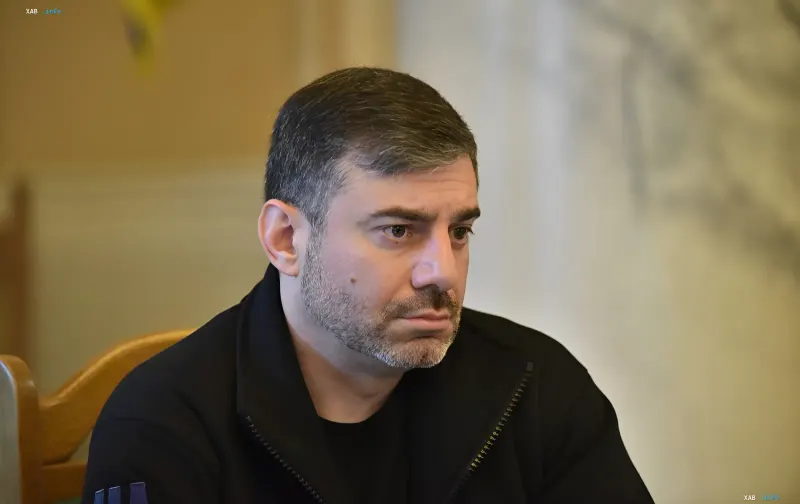
The situation regarding the detention of Ukrainian civilians in Russian prisons remains one of the most acute humanitarian issues. According to Dmytro Lubyntsev, the Ombudsman of the Verkhovna Rada for Human Rights, Russia officially holds nearly 1,900 confirmed civilian hostages in its pre-trial detention centers (SIZO) and penal colonies. However, the real figures may be significantly higher: approximately 16,000 people are listed in the registry of persons missing under special circumstances.
The Gap Between Statistics and Reality
During a televised marathon, the Ombudsman voiced alarming data. To date, Ukraine has managed to verify 1,878 civilians held in captivity. At the same time, only 892 individuals have been officially confirmed through the International Committee of the Red Cross (ICRC). The remaining data on the whereabouts of the prisoners is being gathered thanks to the painstaking work of intelligence services, military intelligence, and testimonies from soldiers who have already returned from captivity.
A particular difficulty in searching for and liberating hostages is created by the occupiers' practice: civilians and prisoners of war are often held in the same cells, which complicates the identification of the detainees' status.
Policy of Isolation and Secrecy
Dmytro Lubyntsev emphasized that for Russia, there are no rules in this matter. The aggressor hides abducted people, does not officially confirm the facts of detention, and holds Ukrainians in isolation in dozens of different places of confinement. Many people abducted as early as 2022 have been sitting behind bars for years without any criminal charges being brought against them.
Furthermore, Russia often tries to pass off civilians as prisoners of war. According to the Ombudsman, this is done to artificially increase their exchange fund and create additional pressure on Kyiv during negotiations.
The Situation with Exchanges
Despite the complexity of the process, work on returning people continues. Recently, Ukraine and Russia held the third stage of an exchange in the "1,000 for 1,000" format. As part of this operation, 160 Ukrainians who had been held in captivity since 2022 were returned home. For comparison, the previous, second exchange in the same format, held on June 5, allowed for the return of 185 military personnel and one civilian.
The process of return remains the most difficult, as the fate of thousands of people listed as missing is still unknown.


