The night of June 3 became a time of intense aerial tension for Ukraine. Russian forces launched a large-scale attack, deploying an unprecedented number of attack drones. According to data from the Ukrainian Air Force, published by RBK-Ukraine, the enemy launched 198 drones at the country from various directions.
Massive Strike from Multiple Fronts
The attack was organized from deep within Russian territory and from occupied lands. Drones were launched from the directions of Bryansk, Kursk, Orel, Millerovo, Primorsko-Akhtarsk, as well as from the temporarily occupied territory of Crimea (Gvardeyskoye settlement). The enemy's arsenal included kamikaze drones of the "Shahed", "Gerbera", and "Italmas" types, as well as "Parody" type decoy drones designed to overload air defense systems.
Effectiveness of Ukrainian Air Defense
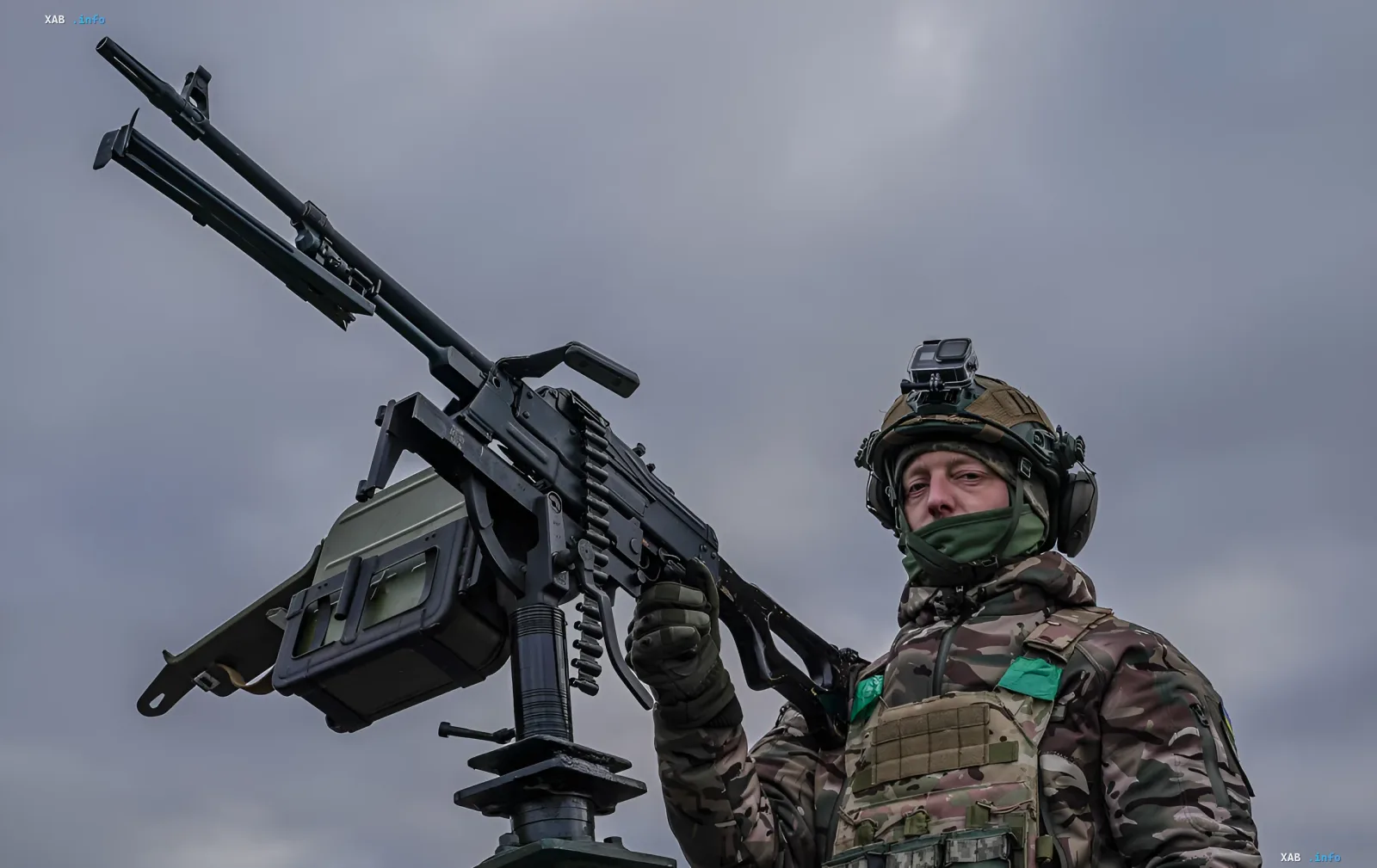
The country's defense was held by aviation, anti-aircraft missile troops, electronic warfare (EW) units, and mobile fire groups. Preliminary data indicates that by 08:00 in the morning, Ukrainian forces managed to shoot down or suppress the vast majority of aerial targets — 189 out of 198 launched drones.
However, despite the high interception rate, it was impossible to completely avoid consequences. Impacts from 8 attack drones were recorded at 7 different locations. Additionally, debris from downed machines was recorded falling at 7 sites. The Air Force warned that the attack has not fully ceased and enemy targets remain in the airspace, urging civilians to follow safety rules.
Context of Escalation
The night attack on June 3 was a continuation of a series of strikes started the previous day. On the night of June 2, Russia launched a combined strike, employing ballistic, cruise, and hypersonic missiles in conjunction with drones. At that time, the occupiers launched about 70 missiles and nearly 700 drones. A significant portion of the targets was shot down, but dozens of ballistic missiles still reached their targets.
The consequences of the June 2 attack were serious for the capital: parts of Kyiv were left without electricity, and public transport routes were changed due to damage to the overhead lines. As a result of the shelling, residential buildings and civilian infrastructure facilities were damaged. Seven people were killed in Kyiv, and almost 90 others were injured. In the morning of the same day, the Russian army attacked a key "Naftogaz" facility in the Kharkiv region, first using drones and then a missile strike.


