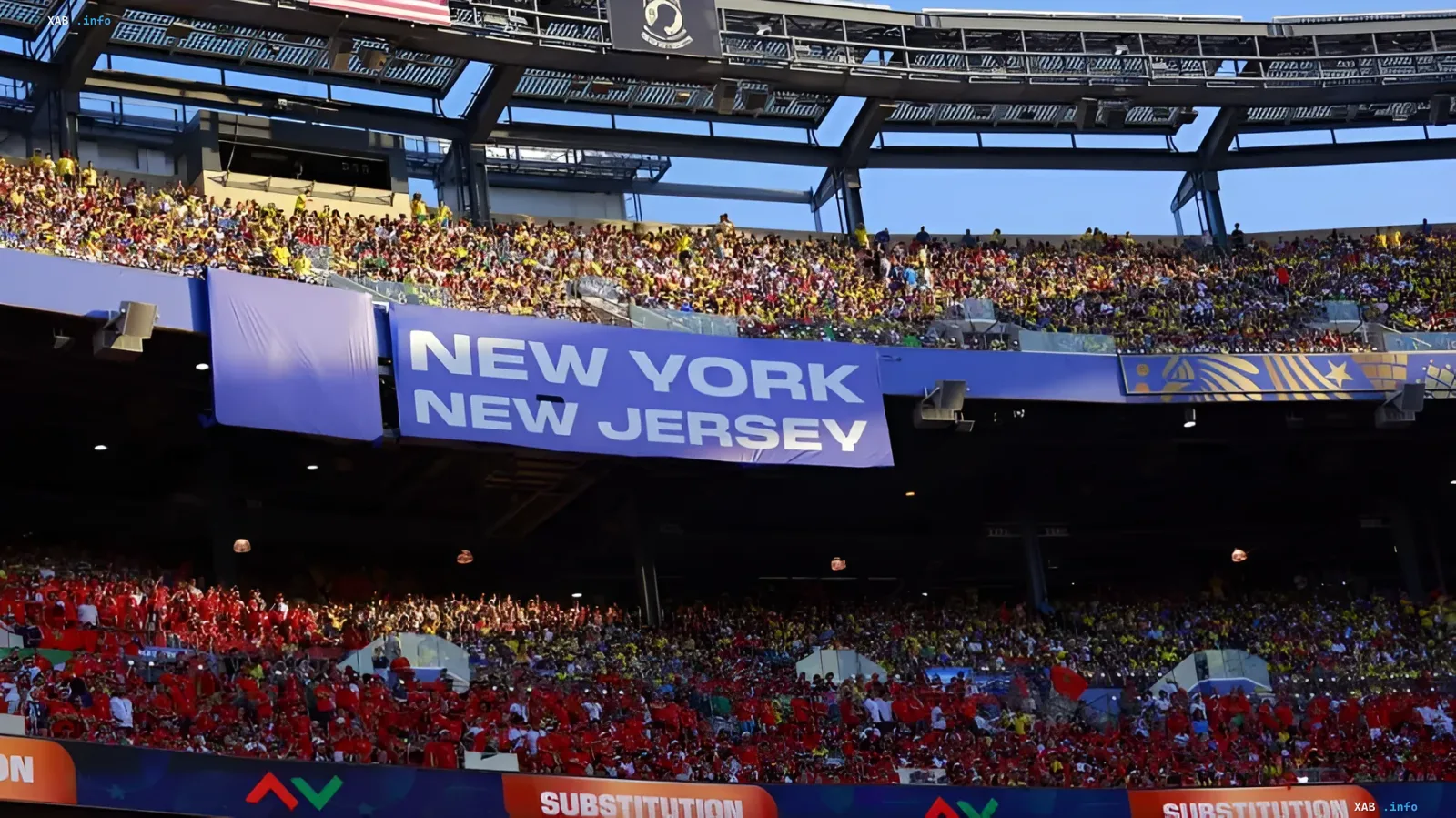
Preparations for the 2026 FIFA World Cup have turned the historic rivalry between the states of New York and New Jersey into a sharp issue of economic and political expediency. The central element of this story is MetLife Stadium in East Rutherford, which will host eight matches of the tournament, including the decisive final on July 19. However, behind the facade of sporting triumph lies a complex system of resource, tax, and branding rights distribution.
FIFA Compromise and the Battle for the Name
The International Federation of Association Football (FIFA) has set a strict requirement: during the tournament, the arena must be named "New York/New Jersey." This decision reflects an attempt to find a balance between the two regions, but in practice, the situation is more complex. The stadium is physically located in New Jersey, but it is home to the New York Giants and New York Jets teams, which already irritates local politicians. In early 2026, after the new governor, Mike Sherrell, took office, the state administration escalated the situation by sending a request to FIFA demanding a change in the order of mentioning regions on information boards, placing "New Jersey" first.
Economic Asymmetry: Who Pays and Who Gets?
The joint bid to host the World Cup was built on the principle of complementarity, but economic forecasts paint an uneven picture of benefit distribution. New York takes on the role of the main tourist hub: it is here that the main hotel capacity, logistics hubs, and fan zones are concentrated. According to calculations, the lion's share of direct taxes from the accommodation of foreign delegations and fans will go to the budget of New York.
New Jersey, in turn, takes on the operational load. The state provided modern sports infrastructure and training bases, but it is its authorities who bear responsibility for security in the stadium perimeter. This creates an imbalance: one region receives a financial dividend from tourism, while the other faces management risks and expenses for maintaining order.
Transport Crisis and Price Hikes
Logistics on match days will be a test for the NJ Transit railway network. To compensate for operational costs and modernize communications, authorities made an unpopular decision: the cost of travel on special trains to the stadium on holiday days was significantly increased. This sparked a wave of discussions among experts about the accessibility of transport for ordinary fans. In conditions where major concerts will also take place at Madison Square Garden and Barclays Center arenas in the metropolis in parallel with the tournament, transport authorities of both states are forced to work in the mode of a single coordination center to avoid a collapse of passenger flow.
Historical Context of Modern Disputes
Current disagreements are merely a continuation of a centuries-old history of rivalry. Disputes over borders were fought as far back as the 18th century, and today they have transformed into legal battles. A striking example is the challenge by New Jersey authorities to the Congestion Pricing program for entry to Manhattan. The symbolic status of objects also remains a subject of dispute: Liberty Island with the Statue of Liberty is an exclave of New York, but geographically it is located in the waters of New Jersey. The 2026 World Cup has only actualized these old contradictions, turning them into a matter of national scale.


