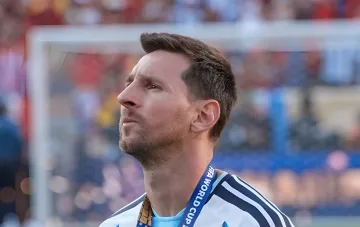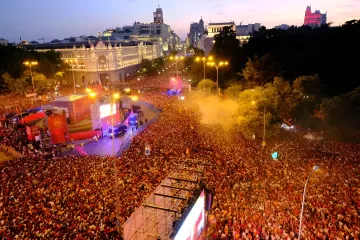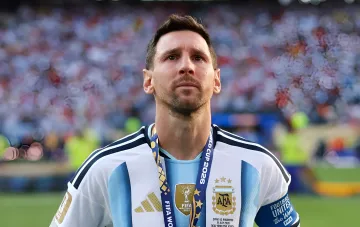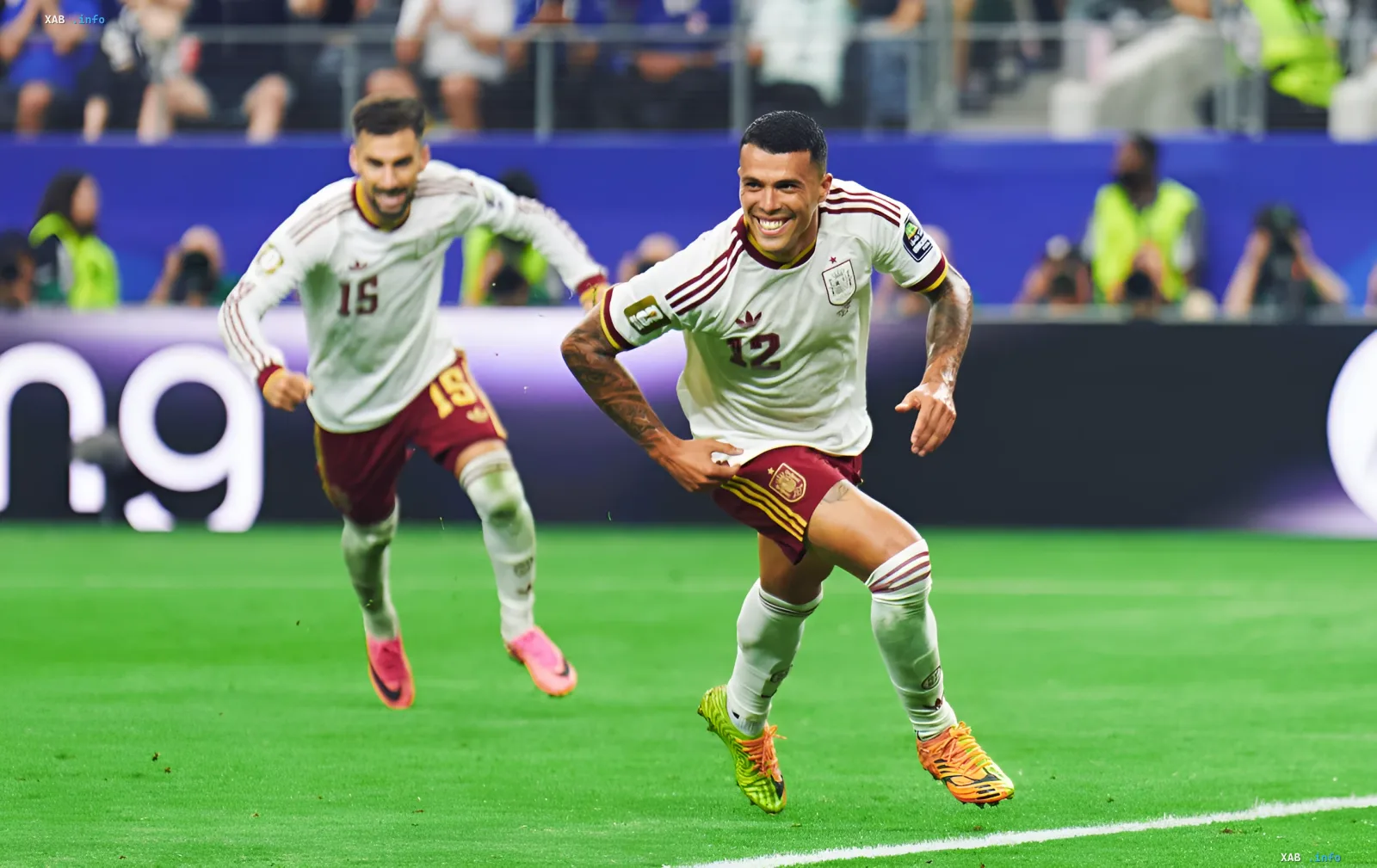
The 2026 World Cup final will feature two teams representing different football philosophies. Spain, known as the "La Roja," demonstrates perfect teamwork, while Argentina, the "Albiceleste," relies on the will to win and the genius of its leader. For Lionel Messi, this match could be his last in the national team jersey, while for Lamine Yamal, it is an opportunity to finally cement his status as a modern superstar.
The Road to the Final: Spain and Argentina
The Spanish national team proved to be the most cohesive team of the tournament. From a draw with Cape Verde to a confident victory over France (0:2) in the semi-finals, the Spaniards only improved. On their way to the final, "La Roja" secured victories over Saudi Arabia (4:0), Uruguay (1:0), Austria (3:0), Portugal (1:0), and Belgium (2:1). In seven matches, the team scored 13 goals, conceding only once.
Argentina confidently passed the group stage, defeating Algeria (3:0), Austria (2:0), and Jordan (3:1). However, the "Albiceleste"'s path to the knockout stage was largely driven by moral qualities and the talent of Leo Messi. The victory over Cape Verde (3:2) in extra time, the comeback win against Egypt (3:2), the victory over Switzerland (3:1) in extra time, and the comeback against England (2:1) show that the Argentines consistently concede goals but manage to outlast their opponents in the final stages.
Starting Lineups and Tactical Nuances
Both teams are ready to take the field in their strongest lineups, although Spanish fans will remain nervous until the starting lineups are announced. Before the match, there are doubts about the participation of Lamine Yamal and Pedro Porro. Both players have sustained injuries but are ready to play. If Porro is capable of replacing Marcos Llorente, replacing Yamal will be much more difficult. Otherwise, no changes are expected from the Spaniards — Fabián Ruiz is likely to start, while Mikel Merino will serve as a super-sub.
Argentina approaches the match without personnel issues, although questions regarding the starting lineup remain. For almost the entire tournament, the Argentines played with four defensive midfielders on the field, but against England, one of them was replaced by winger Julián Simón. Argentina also has its own super-sub — Lautaro Martínez, who scored the decisive goals in the quarter-finals and semi-finals. The reigning world champions may also strengthen their attack towards the end of the match.
History of Confrontations and Coaches' Opinions
The teams have played seven head-to-head matches. However, only one match had official status — at the 1966 World Cup, the Argentines celebrated a 2:1 victory. In friendly matches, Spain dominates — five wins against one loss. The aggregate score is 16:7 in favor of "La Roja".
"Much will depend on the referee's work. The referee cannot be lenient and allow going beyond the rules, crossing the boundaries that define what is acceptable in football. In certain scenarios, we do not feel comfortable. We feel comfortable when it comes to football — to the game, to loyalty to our principles, to not giving in," said the Spanish coach.
"In the Spanish national team, everything worries me. They have footballers who have played in the largest world tournaments, and many of them are leaders of their clubs. When the match starts and the ball is in motion, players forget about pressure and focus entirely on the game. I don't think that our second consecutive run to the final will give us any advantage," said the Argentine coach.
Where to Watch the Final
In Ukraine, the official broadcaster of the tournament — the media service MEGOGO — will show the live broadcast of the match. The start of the match is scheduled for 22:00 Kyiv time. The game can be watched on the "MEGOGO Football First" channel. Subscribers with the "Maximum" or "Sport" subscription can also watch the game in the special "Sport" section.
The pre-match analytical studio will begin broadcasting at 20:20. The hosts will be Alexandra Kucherenko and experts Alexander Golovko and Roman Bebekh. The final will be commented on by Vitaliy Kravchenko and Sergey Lukyanenko.