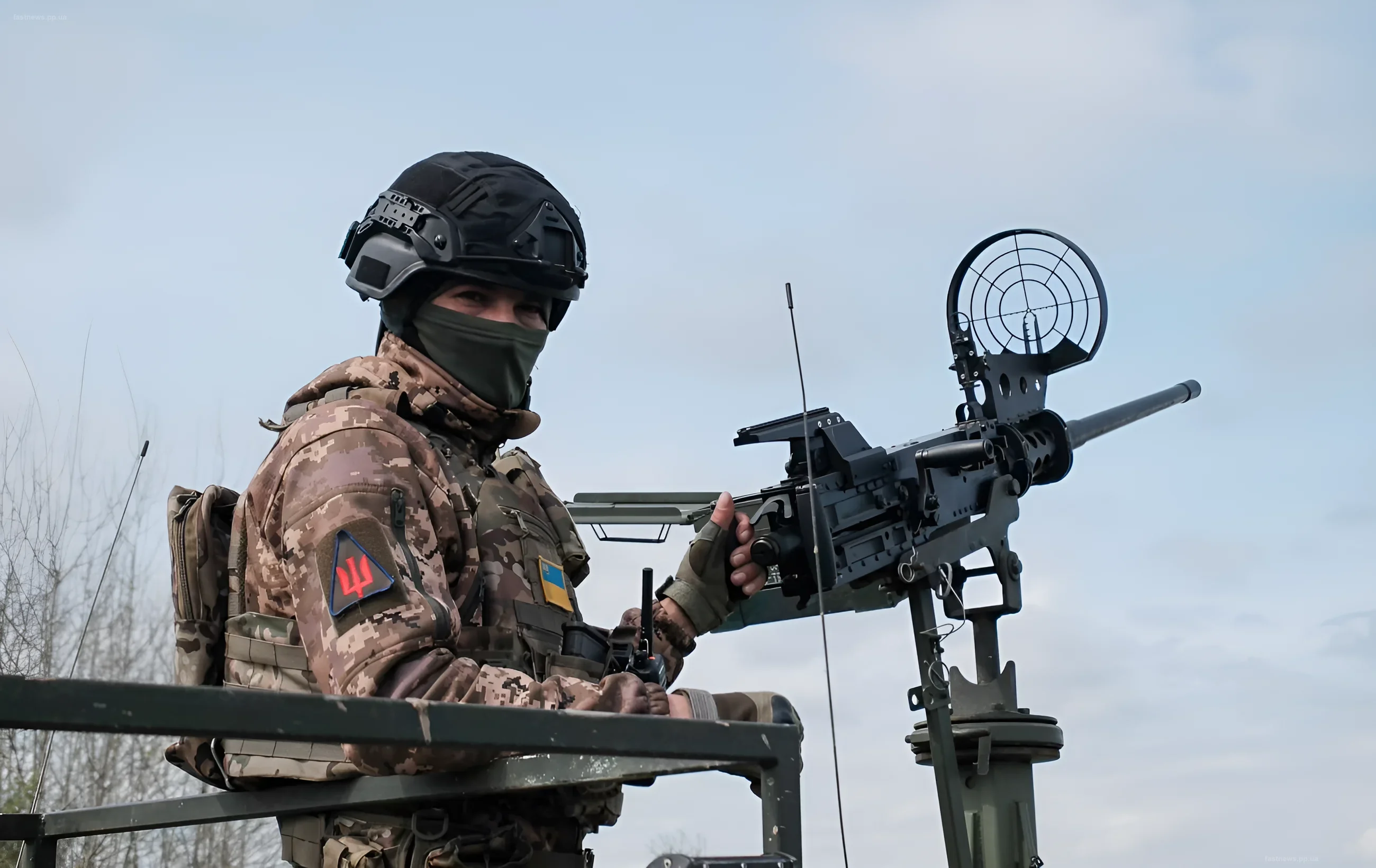
The night of May 29 became a true test of resilience for Ukraine. The Russian Federation organized an unprecedented attack, deploying not only ballistic missiles but also hundreds of strike drones. The Ukrainian Air Force reported that the enemy launched 232 drones and one 'Iskander-M' or S-400 ballistic missile, fired from the Kursk region.
The attack was multi-pronged: drones flew from Oryol, Kursk, Bryansk, Millerovo, Primorsko-Akhtarsk, as well as from the occupied territories of Crimea. The enemy's arsenal included 'Shaheds', jet drones, 'Herbers', 'Italmas', and 'Parody' decoys. Aviation, anti-aircraft missile troops, electronic warfare units, and mobile fire groups had to counter this threat.
Results of the Air Battle
By 08:30 in the morning, Ukraine's air defense demonstrated high efficiency. In the north, south, and east of the country, 217 enemy drones were shot down or suppressed. This is an impressive figure, indicating that the bulk of the threat was neutralized in the air.
However, it was not possible to completely avoid losses. 15 impacts were recorded: one ballistic missile and 14 strike drones reached their targets at 14 different locations. In addition, debris from destroyed targets fell on 7 territories, creating additional risks for the population.
Consequences of the Strikes
Particularly alarming is the fact that Russian occupiers continue to deliberately attack civilian objects and infrastructure. On the night of May 29, a ship sailing from the port of the Odesa region to Turkey was struck. As a result of the attack, crew members were injured.
Populated areas were also hit. In Zaporizhzhia, residential buildings were damaged as a result of shelling, and there were casualties. In the Chernihiv region, drones attacked the village of Mashevo, where a school was completely destroyed by fire. The Ukrainian Air Force continues to warn citizens about the presence of enemy drones in the air and urges them to follow safety rules.


