The United Nations Office on Drugs and Crime (UNODC) has released its annual World Drug Report for 2026. The document records fundamental shifts in the global segment of illicit substances: the market is transforming, replacing plant-based raw materials with highly toxic synthetic analogues and actively integrating digital technologies into logistics.
Organization experts note that the drug market has ceased to be static. Transnational crime demonstrates high adaptability, diversifying supply chains and using modern communication platforms for contactless sales.
Record consumption figures
Statistics from the last decade show an alarming upward trend. On a global scale, the number of people who consumed illicit substances at least once during the reporting year reached 331 million. This constitutes 6.2% of the world's population in the 15 to 64 age group. For comparison: ten years ago, this figure was 5.2%.
Cannabis remains the leader in prevalence, consumed by 256 million people. A significant share of the market is held by opioids (63 million consumers), amphetamine-type stimulants (32 million), cocaine (25 million), and ecstasy (21 million).
Opioid crisis and synthetic boom
One of the key events that changed the market structure was the ban on opium poppy cultivation in Afghanistan. This decision led to a sharp decline in the production volumes of local opium and heroin. Despite the fact that poppy production in Myanmar increased and exceeded 1,000 tons, and figures in Mexico and Laos remained stable, these volumes cannot compensate for the deficit arising after the reduction of Afghan exports.
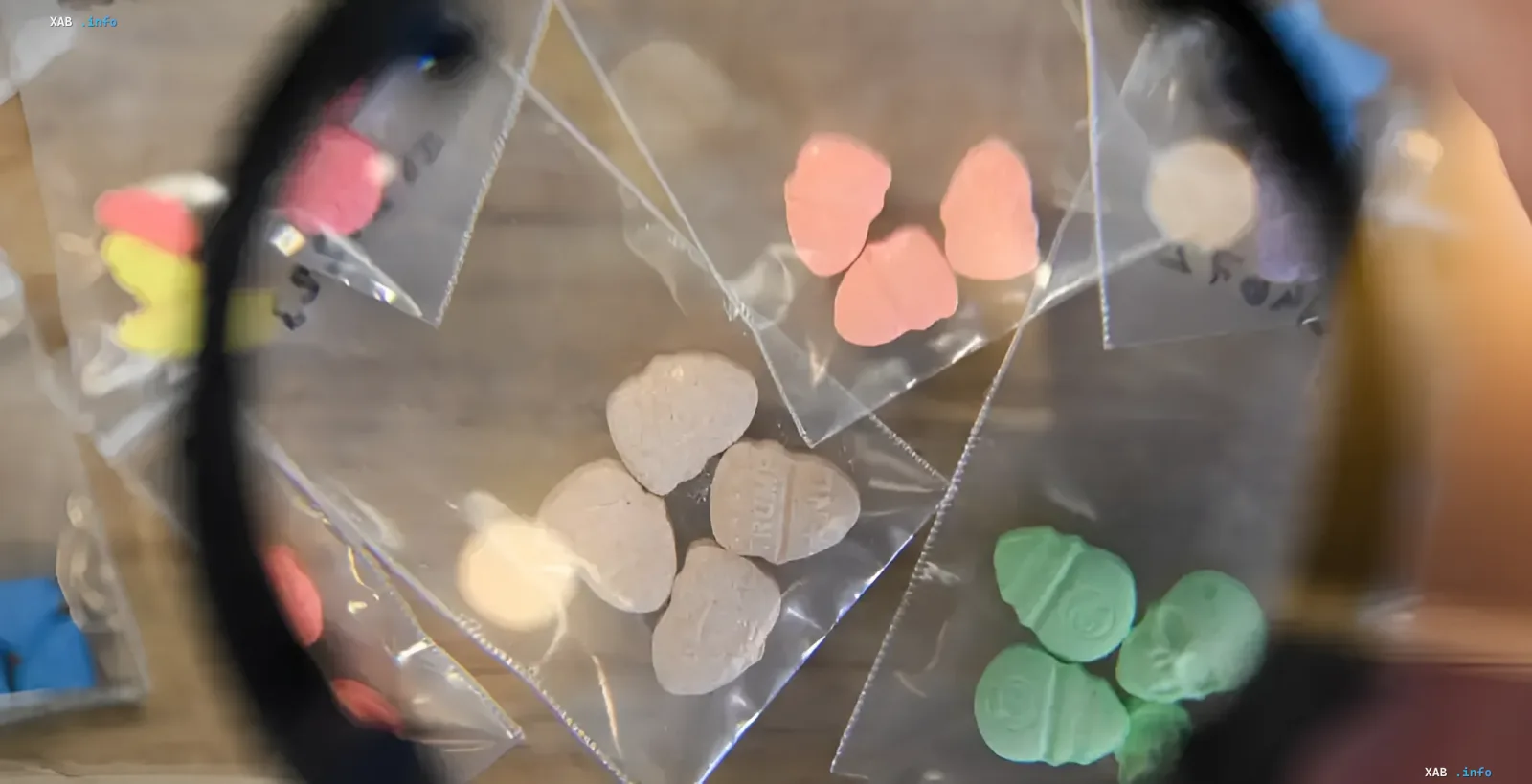
The market reacted to the shortage of traditional opiates by accelerating the transition to new synthetic analogues. Fentanyl, nitazenes, and orphenadrine have massively entered circulation. UN experts warn that these compounds pose increased risks to public health due to their high concentration and toxicity.
The nomenclature of substances is expanding rapidly. The report recorded the circulation of 755 types of new psychoactive substances (NPS), of which 118 items were identified for the first time. Over the last twenty years, the number of types of seized substances has grown approximately fivefold. Manufacturers constantly modify chemical formulas to circumvent state regulation measures.
Globalization of methamphetamine and cocaine
Methamphetamine has ceased to be exclusively a regional problem of Southeast Asia. New logistics routes and the expansion of laboratory geography have led to an increase in its consumption in the Middle East, Africa, and certain regions of Europe. An additional impetus for this process was the change of power in Syria in December 2024. The change in the market conjuncture of Captagon led to a twofold increase in the price of this stimulant, which caused a partial shift in demand to more affordable methamphetamine.
In the cocaine segment, a conditional maximum of production was recorded — about 4,000 tons in pure equivalent. The growth is due to increased plantation productivity and the emergence of large processing laboratories, including in Western European countries. Cocaine sales markets are actively expanding towards Asian and African countries.
Technology and social vulnerability
UNODC Executive Director Monika Juma emphasized that modern drug trafficking logistics networks effectively adapt to border control measures. Transportation is increasingly carried out in small consolidated batches, while sales are moving to an online format using darknet platforms and messengers.
Special attention in the report is paid to social disparities. In the context of humanitarian crises and armed conflicts, the population's vulnerability to involvement in illegal trafficking and drug consumption increases. At the same time, access to qualified medical care remains critically low: on average, only 8.2% of those in need have access to treatment. The situation is exacerbated by gender inequality: barriers to accessing help for women remain significantly higher than for men.


