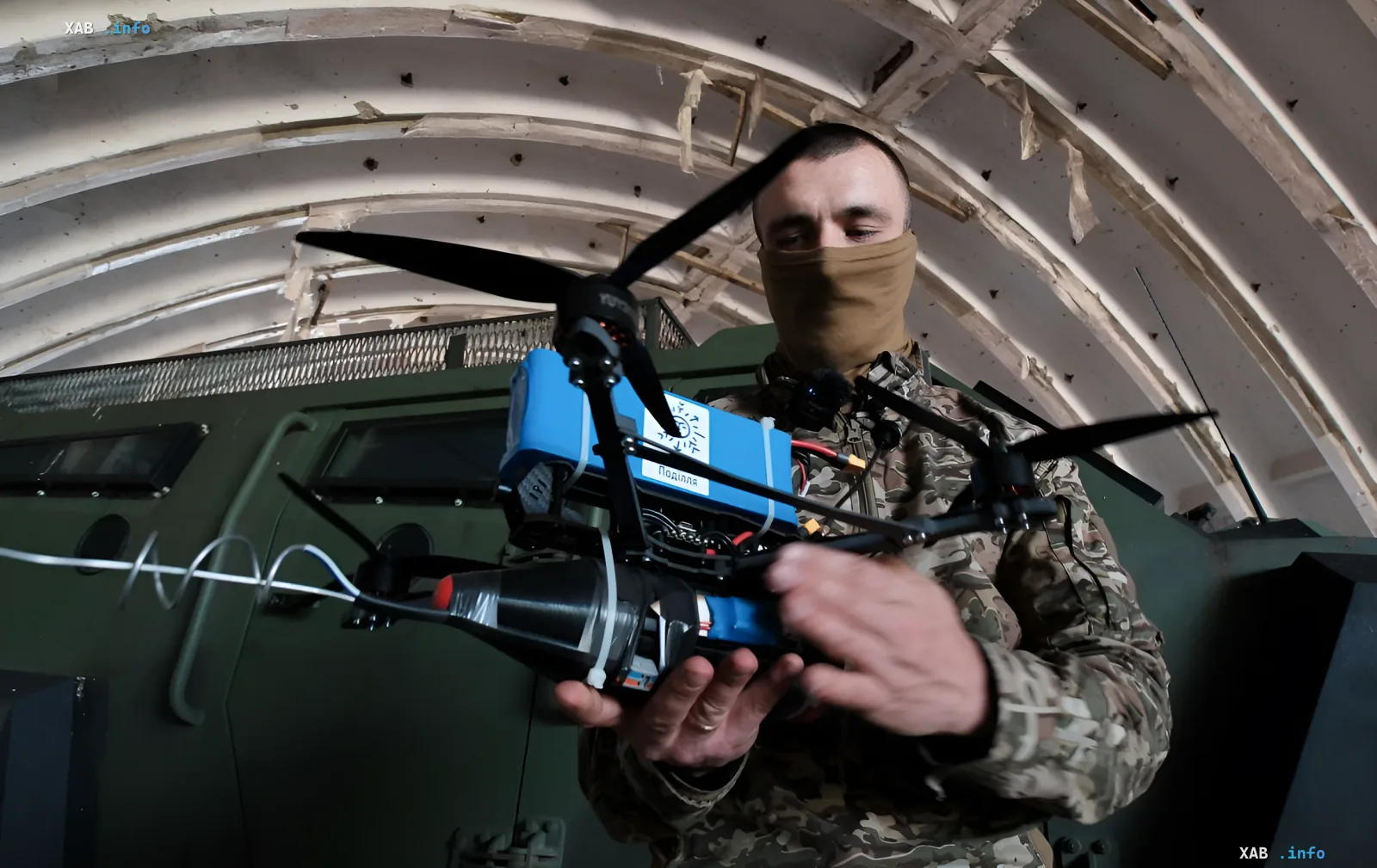
The situation on the front has undergone significant changes: the offensive tempo of the Russian army has begun to slow down. According to high-ranking sources of RBC-Ukraine, two key factors are contributing to this — a critical increase in enemy personnel losses and unprecedented large-scale use of Ukrainian drones deep into Russian defenses.
Enemy demographic crisis
The tactics of Russian forces remain unchanged: infiltration of small groups, their subsequent accumulation, and storming of positions. However, the effectiveness of this scheme is declining. Ukraine's defense forces have begun to eliminate more Russian soldiers, bringing their losses to 35,000 people per month (the sum of killed and severely wounded).
Statistics show a worrying dynamic for Moscow: about 60–62% of these losses are irretrievable. As a result, the current recruitment of contract soldiers barely covers the loss of personnel. Ukrainian Defense Minister Mykhailo Fedorov confirmed these data, noting that for the fifth month in a row, Russia is losing more soldiers than it can mobilize.
Expansion of the 'death zone'
The second factor influencing the slowdown of the offensive is the mass use of unmanned aerial vehicles. If drones were previously used selectively, now they are 'on duty' in the sky, detecting enemy movements and striking even on the approaches to Ukrainian positions.
The mass use of UAVs has led to the expansion of the so-called 'death zone' — a strip that is under constant fire. Due to the threat of strikes, the Russian command is forced to move logistics, personnel, and control elements 20–40 kilometers away from the line of contact.
Strikes on operational depth
About four months ago, Ukraine began systematic work on striking targets in the operational depth — the space between the front line and the enemy's strategic rear. Middle-strike drones have been brought into play, hitting logistical routes, command posts, airfields, and warehouses.
Since the beginning of the year, more advanced means have been launched into mass use, such as the Hornet UAV (developed by the company of the former CEO of Google) and their Ukrainian and German analogues. If a year ago such devices were saved for expensive targets, now their quantity allows destroying individual trucks, fuel tankers, and support vehicles.
Hundreds of strikes are recorded in the area of Horlivka and along strategically important highways, such as the Donetsk — Mariupol — Crimea road (N-20 and M-14), which is a land corridor to the peninsula.
Prospects and new technologies
So far, strikes on the medium rear have not led to an instant turning point, but it is becoming increasingly difficult for the Russian army to accumulate forces for large-scale operations and ensure continuous logistics. Experts note that if Ukraine maintains its advantage in the sky, this could force Moscow to reconsider its ambitions.
In response, Russia is also striving to implement technological solutions, but Ukraine is not stopping at what has been achieved. In particular, the production of 'Shahed' interceptor drones Octopus with artificial intelligence is actively developing, with factories for them deployed, among other places, in the United Kingdom.


