
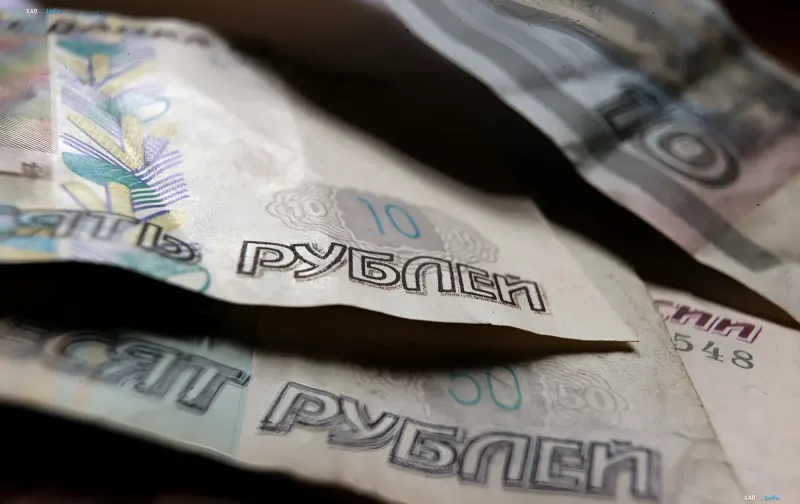
The economic situation in the Russian Federation is showing alarming trends related to a sharp increase in the debt burden on the population and businesses. According to data published by RBK-Ukraine citing the Foreign Intelligence Service of Ukraine (HUR), the total debt of Russian citizens on loans and credits has reached a critical level of 45 trillion rubles.
Dynamics of the Debt Pit Growth
According to Ukrainian intelligence, the pace of debt accumulation remains high. In just the last quarter, the total volume of financial obligations of Russian households increased by almost 1 trillion rubles. This increase amounted to 2.2% of the total volume, indicating a significant slowdown in the economy and a rise in the cost of living, forcing citizens to take out new loans to maintain their previous level of consumption.
Structure of Debt Obligations
An analysis of the debt structure shows that mortgage lending places the main burden on the population. This segment accounts for 21.7 trillion rubles, or 48.1% of all citizens' debt obligations. The rest of the amount is made up of microfinance loans "until payday" and other small loans, which are often taken out at high interest rates.
Business Debt to the State
Alongside the growth of household debt, a historical maximum of corporate sector debt to the state budget is being recorded. According to the Federal Tax Service of Russia, the total debt to the budget has reached 4 trillion rubles. This figure is almost a third higher than the corresponding figures of last year.
The structure of business debt includes net arrears on taxes, levies, and insurance contributions totaling 1.7 trillion rubles. The leaders in non-payment are VAT (648 billion rubles) and profit tax (294 billion rubles). Previously, intelligence also reported that Russia's corporate sector had accumulated more than $117.5 billion in overdue accounts receivable, indicating that the economy is approaching a state of stagnation.
Geography of Debt
Geographically, Moscow became the leader in the volume of debt, where the figure reached 1.5 trillion rubles. Second and third places are held by the Moscow region (286 billion rubles) and St. Petersburg (205 billion rubles). In total, there are officially 22 million malicious debtors in the Russian Federation.
Expert Assessment of the Situation
The HUR summarizes the situation as follows: the long-standing battle between the Russian television and the refrigerator has ended in a confident victory for the bank statement. Russians, who previously actively supported military operations, are now forced to count pennies at the cash registers and turn to banks for new loans at extremely high interest rates.


