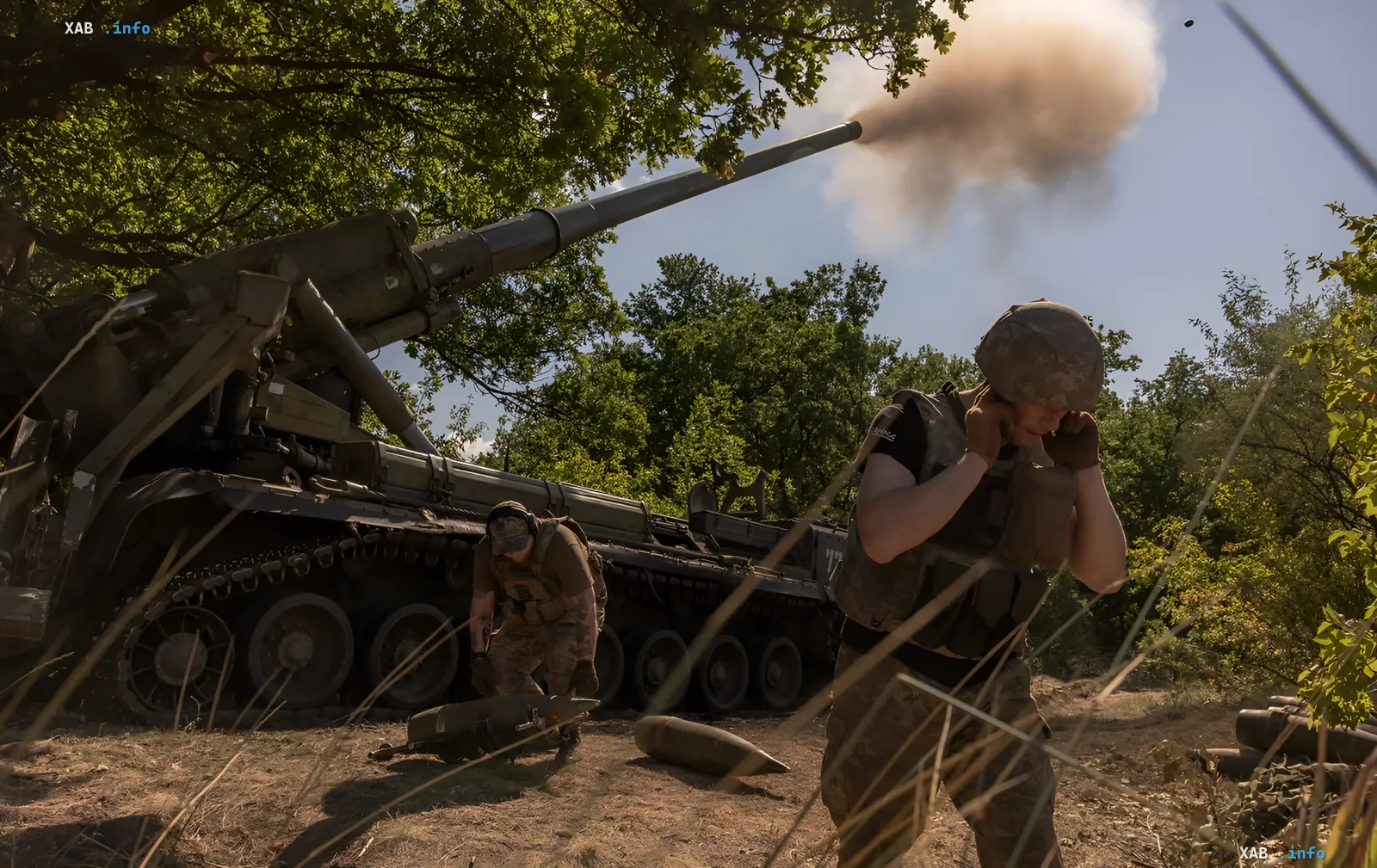
A sharp escalation has been recorded on the southern axis of combat operations. Over the past week, Russian forces have consistently increased the intensity of their attacks, attempting to achieve tactical objectives before the end of spring. This was reported by Vladyslav Voloshyn, spokesperson for the Southern Defense Forces, during a televised broadcast.
Record number of clashes
According to the command representative, the trend over the week is clear: the enemy is daily increasing the number of combat contacts. The peak of activity occurred in the last 24 hours. A total of 52 combat clashes were recorded on the southern fronts. This indicates a shift by the occupiers to a more aggressive tactic aimed at exhausting defensive lines.
New methods and priority targets
Vladyslav Voloshyn noted that Russian military forces are not only increasing the frequency of attacks but also changing their nature. The use of guided aerial bombs (GABs) has significantly expanded, allowing the enemy to deliver pinpoint strikes on fortifications prior to assaults. The most tense situation remains on the Huliaipole axis. Active assault operations continue in the areas of Vozdvizhevka and Dobropillia.
Initiative on other sectors of the front
Despite the pressure in the south, the overall picture on the front remains dynamic. In recent months, the Armed Forces of Ukraine have seized the initiative, achieving significant success, particularly during the offensive into the Kursk region in August 2024. Ukrainian President Volodymyr Zelenskyy confirmed that Ukrainian troops continue to achieve their set goals in the border areas of the Sumy region.
Strategic threats
At the same time, the Directorate of Strategic Intelligence (DSI) is noting new ambitions from the enemy. According to intelligence data, the immediate strategic objective of the Russian occupiers is to capture one of two regional centers—Sumy or Kharkiv. Defense forces have already noted enemy attempts to advance towards these key hubs, which requires heightened vigilance and concentration of resources in these sectors.


