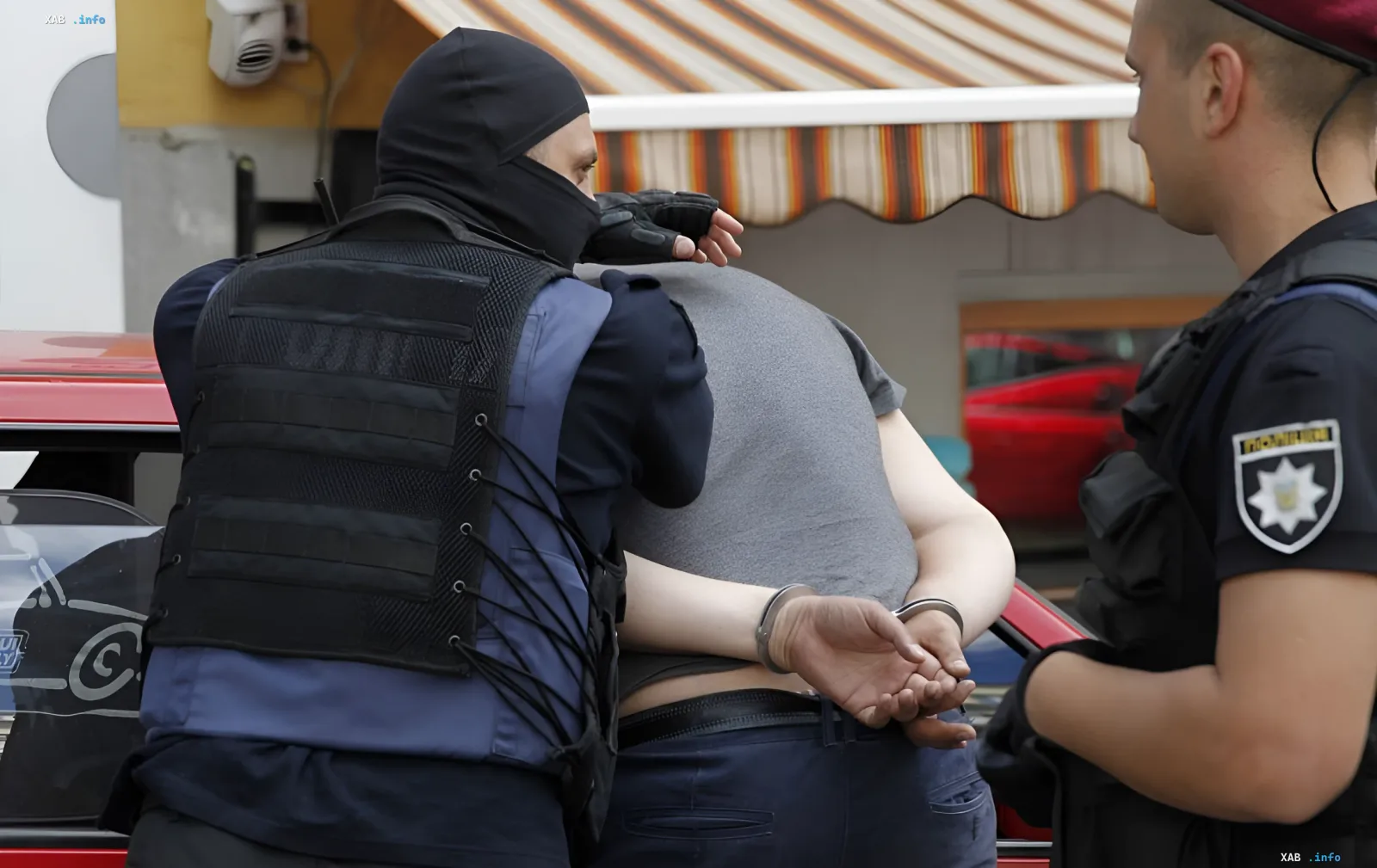
A worrying picture is unfolding in Ukraine: the overwhelming majority of foiled terrorist attacks are committed by individuals recruited by Russian handlers via the Telegram messenger. This was stated by Andriy Nebytov, Deputy Head of the National Police, in an interview with RBC-Ukraine.
Figures that speak for themselves
According to law enforcement data, 82% of all foiled terrorist attacks were carried out by individuals whose recruitment took place specifically on Telegram. This is not just statistics — it is a signal that the platform has become a key channel for organizing sabotage activities against Ukraine.
Nebytov emphasized that Telegram is currently used not only for recruitment but also for trading weapons and drugs, conducting Russian information attacks, and distributing child pornography. The messenger has turned into a universal tool of hybrid warfare.
Why blocking will not solve the problem
The decision by the National Security and Defense Council (NSDC) already provides for a ban on the use of Telegram in state authorities, military formations, critical infrastructure facilities, and educational institutions. However, according to Nebytov, a complete block of the messenger will only have a temporary effect.
"A complete block of this platform may only have a temporary effect — it will allow us to buy some time, but it will not solve the problem systematically, as enemy intelligence services will quickly adapt to new conditions," noted the Deputy Head of the National Police.
Alternative: De-anonymization of users
As a more effective solution, Nebytov proposed the introduction of mechanisms for de-anonymizing users. Only in this way can we really control who is using the platform and for what purpose, and curb illegal activities at an early stage.
Examples from practice: Teenagers and "easy money"
In February 2026, there was a sharp surge in terrorist attacks against the police in Ukraine: explosions occurred in Lviv, Dnipro, and Mykolaiv within 48 hours. The perpetrators were recruited on Telegram with promises of "easy money." It is particularly worrying that Russian intelligence services are actively involving minors in sabotage.
In April 2026, the SBU detained two teenagers in the Kirovohrad and Odesa regions who were preparing terrorist attacks in schools. They were also recruited via Telegram — under the guise of "work" or "helping the Motherland".
What's next?
The situation requires a comprehensive approach: not only technological restrictions but also educating the population, especially young people, about the risks of online recruitment. Without this, even the strictest measures will not stop the flow of saboteurs being trained thousands of kilometers from the Ukrainian border.


