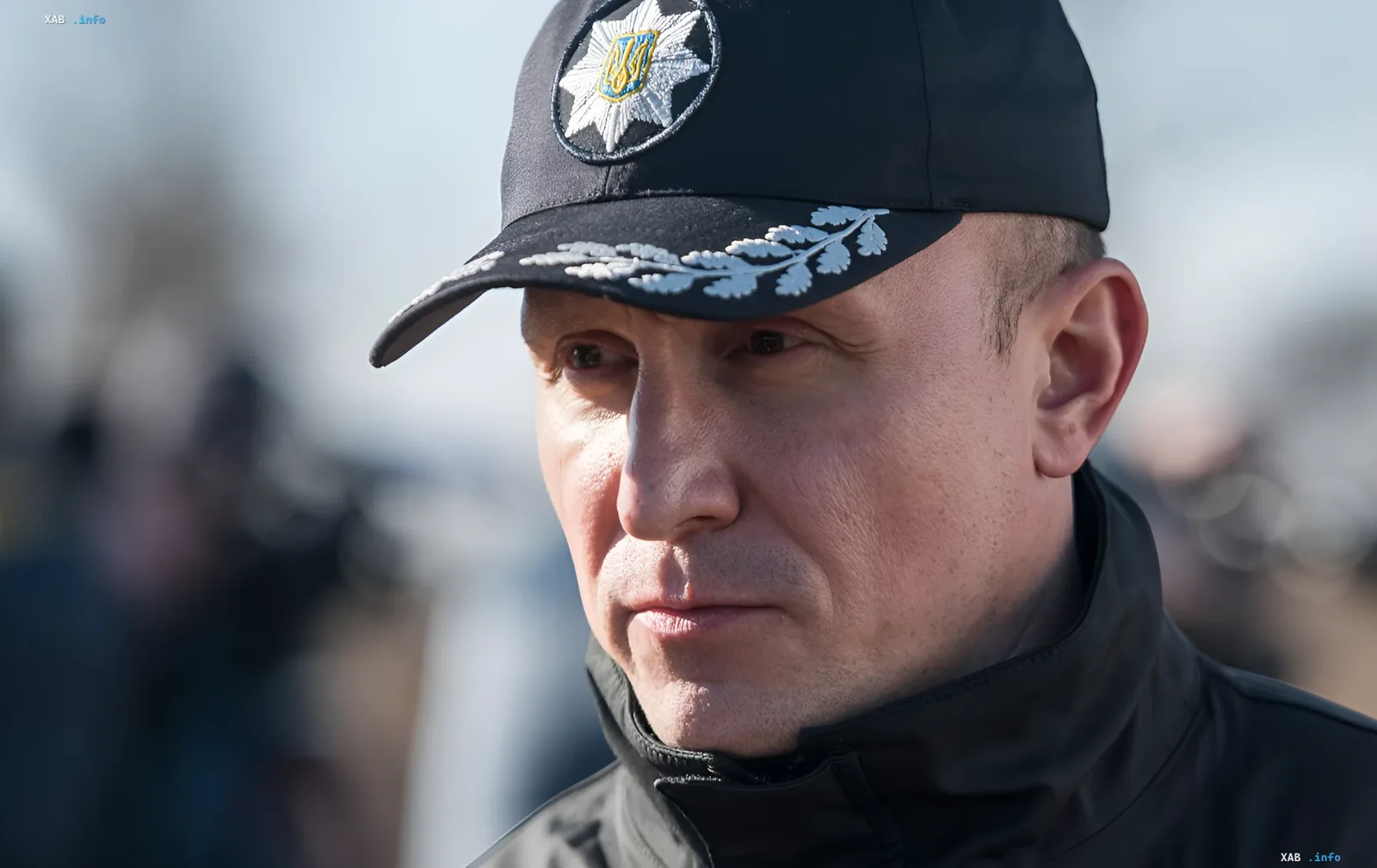
Ukraine faces a difficult choice: maintain the combat readiness of the army while simultaneously ensuring law and order within the country. Andriy Nebityov, Deputy Head of the National Police, shared shocking statistics in an interview with RBC-Ukraine and warned about the risks associated with the mass mobilization of law enforcement officers.
Scale of police involvement in combat operations
The situation regarding personnel distribution within the security structures remains critical. According to Nebityov, nearly 9,000 police officers are currently performing combat tasks directly on the front line. This is not just a figure — these are real people located in the zone of active hostilities.
Furthermore, another approximately 34,000 police officers serve in the front-line regions, ensuring the security of the rear and interaction with the army. Thus, a significant portion of the National Police's personnel potential is engaged in the military sphere.
Where are the police officers fighting?
Police officers sent to the front serve in specialized units. In particular, they are part of the "Yarost" (Wrath) brigade, created to carry out tasks on the most difficult sections of the front. Police officers also fight in the "Khishchyn" (Predator) brigade and various rifle battalions.
Nebityov noted that police officers, together with the Armed Forces of Ukraine, participated in the defense of key settlements: Bakhmut, Avdiivka, and Kleshchivka in the Donetsk region, as well as Mala Tokmachka and Huliaipole in the Zaporizhzhia region. Their contribution to the defense of the country was significant.
The problem of personnel shortage
However, the mass involvement of police officers in combat operations has its consequences. Nebityov emphasized that police combat units are formed, replenished, and rotated exclusively from the personnel of the National Police. Mobilized civilians do not enter these units.
This leads to an increasingly noticeable personnel shortage. Training a criminal police operative or an investigator takes months, and sometimes years, of study. The loss of qualified personnel cannot be quickly replenished.
Risk of a crime surge
The Deputy Head of the National Police warned that the mass mobilization of law enforcement officers could lead to serious consequences for society. According to him, when patrols thin out and response times to calls lengthen, criminals sense the weakness.
"In my opinion, the mass mobilization of law enforcement officers will lead to a surge in crime," Nebityov stated. This puts the safety of citizens and internal stability at risk.
Changes in the deferment procedure
Recall that earlier the Cabinet of Ministers updated the procedure for obtaining deferment from mobilization. The changes concern individuals who apply through territorial recruitment centers. This may affect how resources are distributed between the army and the police in the future.
The question of balancing defense and internal order remains one of the most acute in the current situation. How the situation will develop further remains to be seen.


