
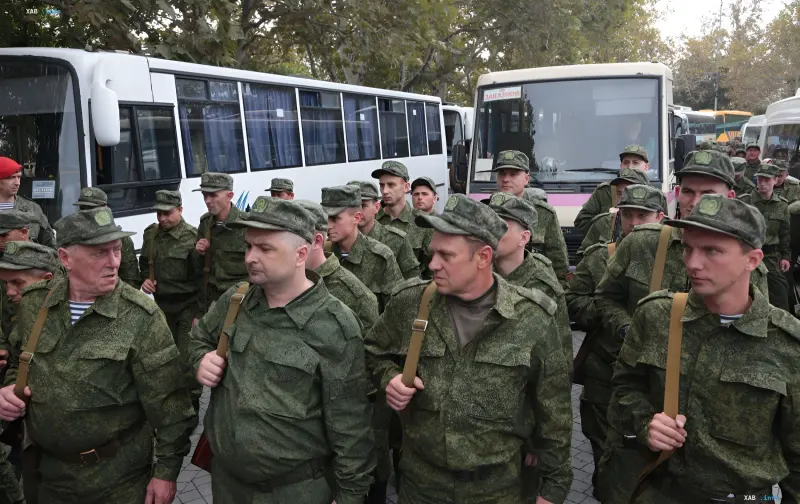
Alarm is growing in Europe over the potential escalation of tensions following the end of active hostilities in Ukraine. The Dutch Ministry of Defense has published data indicating that Moscow is already laying the groundwork for prolonged confrontation with the West. According to Western experts, the continent is currently in a dangerous 'gray zone' between peace and war.
Scenario of an Attack on NATO
Intelligence services are warning of the worst-case scenario: the Kremlin may decide to launch a limited military operation against one of the North Atlantic Alliance member states immediately after the conflict in Ukraine concludes. The goal of such aggression could be to test the combat readiness of allies and gauge the determination of the United States to defend its interests in Europe.
This scenario is being discussed at the highest levels. Polish Prime Minister Donald Tusk stated that the current situation is extremely unstable and that various forms of escalation are possible in the coming months. Earlier, The Guardian reported that Russia plans to stage provocations against NATO to test the bloc's reaction, particularly concerning small countries such as the Baltic states or Poland.
The 'Iron Wall' Plan: €20 Billion
Recognizing the scale of the threat, the Dutch government has decided to radically revise its defense strategy. The country's authorities plan to phase in an additional €20 billion investment in the security sector by 2035. This unprecedented investment will allow Amsterdam not only to meet NATO standards but to exceed them, raising defense spending to 3.5% of GDP.
This step is driven by the need to create effective deterrence. The Netherlands understands that in the context of the new geopolitical reality, old approaches to security no longer work.
The Era of Drones
A key factor changing the approach to defense has been the experience of the war in Ukraine. An analysis of combat operations showed that most casualties and destruction are caused by unmanned aerial vehicle strikes. Consequently, the Dutch defense ministry has decided to bet on future technologies.
The ministry's plans include a significant increase in investment in drones and other unmanned systems. The strategic goal is ambitious: within the next five years, more than half of the army's operational results must be achieved using autonomous and controlled unmanned complexes.
Different Threat Assessments in the Region
Despite a general understanding of the danger, assessments of the situation in different Baltic and Eastern European countries have their nuances. The Lithuanian Ministry of Defense stated that there are currently no signs of Russia preparing for a full-scale invasion of the Baltic states. However, the Vilnius leadership acknowledged that the level of threat from sabotage remains critically high, requiring constant vigilance from the armies of alliance countries.


