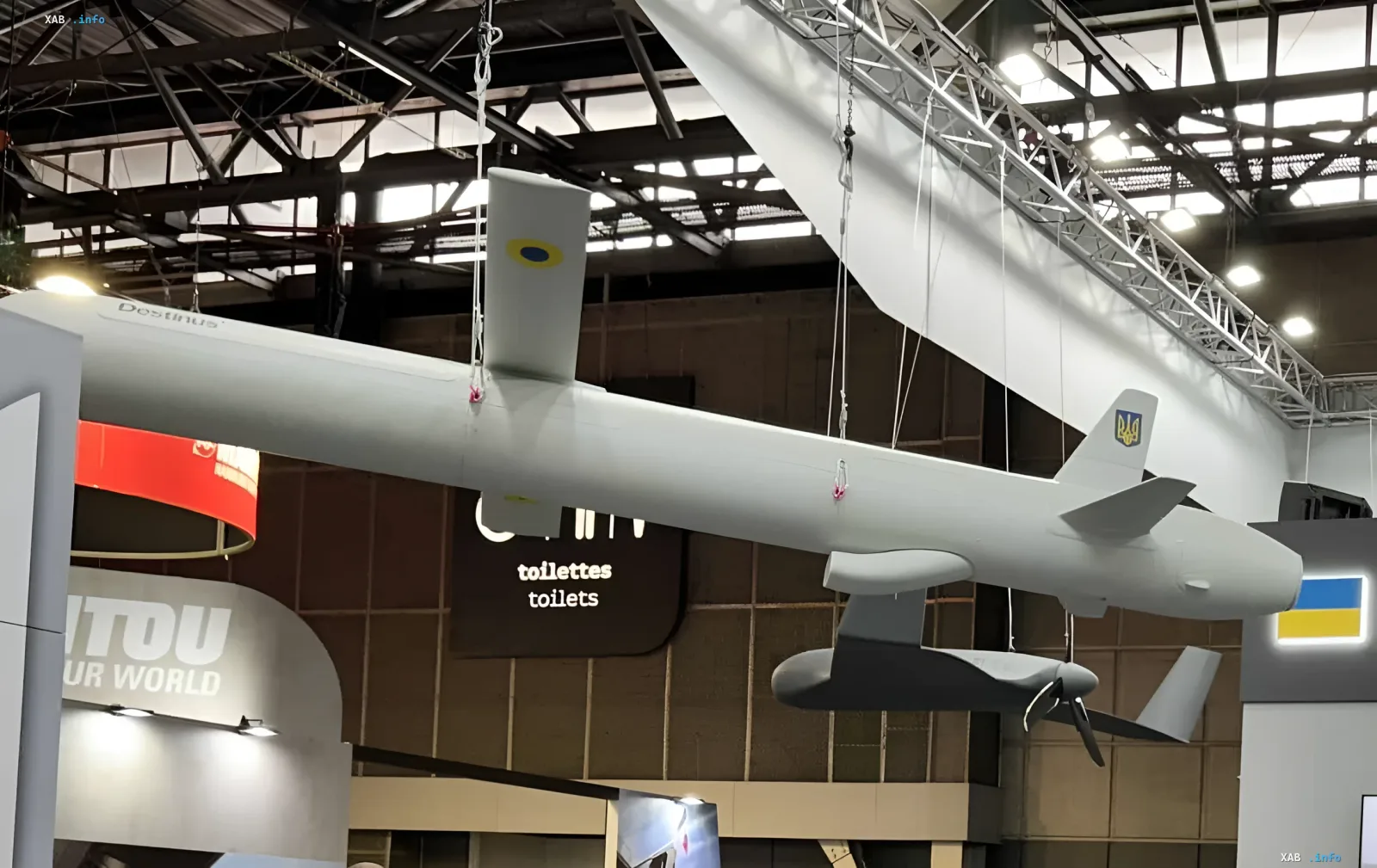
Combat drones and cruise missiles are entering a new era. Ukraine, in collaboration with international partners, is moving closer to creating autonomous swarms capable of delivering coordinated strikes under the control of artificial intelligence. At the heart of this technological revolution is the integration of the Hivemind combat AI into unmanned systems, which radically changes the approach to conducting air warfare.
Swarm Intelligence Technology
Companies Shield AI and Destinus have successfully completed a series of tests proving the possibility of autonomous drone control in real-time. The Hivemind system allows drones not just to follow a pre-planned route, but to make independent decisions in the air, adapting to changing conditions and threats.
During the first phase of testing, which lasted two months, the Hornet drone from Destinus demonstrated the ability to independently update its flight plan according to the current task. This means that the operator no longer needs to manually correct every maneuver — the drone does it itself.
From Reconnaissance to Strike: Creating the Loop
The second phase of testing went beyond simple autonomous flight. A full reconnaissance-strike loop was created, where the V-BAT reconnaissance UAV acted as a communications relay. It transmitted target data to the Hornet strike drones, ensuring precise guidance.
According to Defense Express, the Hornet Block 2 modification has received expanded capabilities. It is now capable not only of attacking ground targets but also of operating as an interceptor drone. This opens the way to creating an autonomous swarm capable of simultaneously striking targets on the ground and in the air, overwhelming the enemy's air defense systems.
The Future: Ruta Cruise Missiles
The third phase of testing confirmed the feasibility of the full combat mission cycle. The next step will be to transfer these capabilities to the Ruta cruise missile platform, manufactured in Ukraine.
As noted by the company, this will allow for coordinated strike actions between the V-BAT reconnaissance drone and multiple Ruta missiles. The exact timelines for implementing this concept have not yet been disclosed, but the development speed is impressive: three stages of swarm system creation were completed in just a few months.
Context: Development of the Ukrainian Drone Industry
The development of swarm technologies is taking place against the backdrop of a general boom in the Ukrainian production of unmanned systems. Previously, Ukraine completed the development of the first glide bomb "Leveler" (Vyravnyuvach), on which engineers worked for almost a year and a half.
Manufacturers continue to expand the range of means to counter air threats. The company Yartura presented a new interceptor drone capable of reaching speeds of up to 450 km/h and possessing protection against electronic warfare means. In addition, the company SkyFall presented a new generation of P1-SUN Long interceptors equipped with artificial intelligence elements.
All these developments indicate that air warfare is becoming increasingly automated, and the role of the operator is shifting from direct control to coordinating the actions of intelligent systems.


