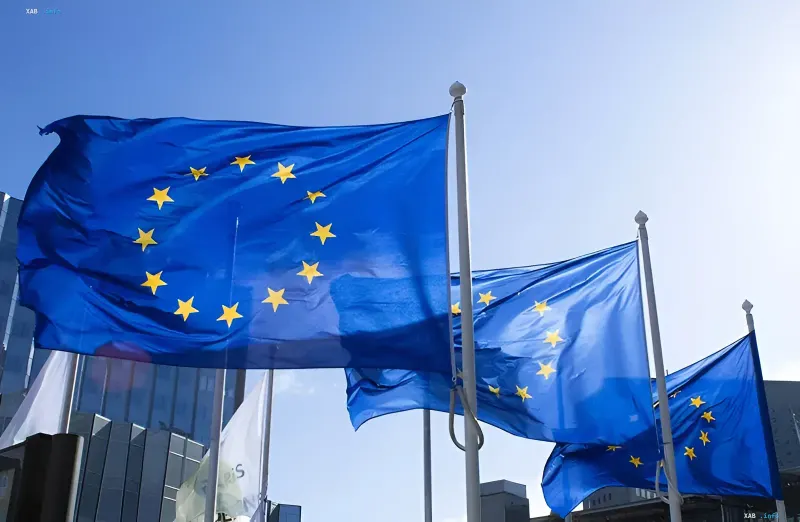
The European Commission's internal HR systems have been hit by a major cyberattack, leaving staff without access to the Sysper platform, the internal human resources administration system, for approximately ten days. According to the Commission, the incident was detected and confirmed on October 22. As of the time of publication, the full extent of the consequences remains undetermined: it is unclear whether attackers managed to gain access to personal data stored in Sysper, JSIS, and other HR management systems.
Attack tool and nature
As Commission spokesperson Thomas Reynaert informed journalists, hackers used the publicly available AI tool ARTEX to carry out the attack. According to him, this tool is designed to identify vulnerabilities in software and allows not only for finding security weaknesses but also for automatically checking potential exploits, making it a convenient tool in the hands of malicious actors. The Commission emphasized that "individual systems were attacked" and, in accordance with standard practice, those affected have been informed.
What is known about the data
The Sysper platform is used for checking payroll data, processing leave and sick leave, submitting timesheets, and registering for professional training. The European Commission stated that it currently has no evidence of a data breach affecting staff as a whole, while the investigation continues. At the same time, it is noted that even if direct access to the databases was not gained, confidential information contained on the HR platform — employee names, job categories, home addresses, and contact information — could be used for more sophisticated attacks directed at specific individuals. No ransom demands have been received by the Commission so far.
Response and measures taken
To prevent the spread of the attack, the European Commission temporarily disabled a number of internal applications; most of them are now back online. CERT-EU, the cybersecurity service for EU institutions, and the European Data Protection Supervisor were informed about the incident. However, EU staff were not directly notified at the time, as the scale of the damage was still being assessed. According to a European official, the Commission believes it has managed to bring the bulk of the attack under control, but the impact assessment continues.
Context: not the first incident
European Commission systems are no strangers to cyberattacks. In March, the cloud infrastructure hosting Europa.eu domain websites was compromised: reports suggest hackers stole about 91.7 GB of information, including personal data and email correspondence. In January, the Commission's central mobile device infrastructure was targeted, which could have led to the leakage of employee names and phone numbers. The recurrence of such incidents increases focus on the resilience of the internal IT systems of key EU institutions.