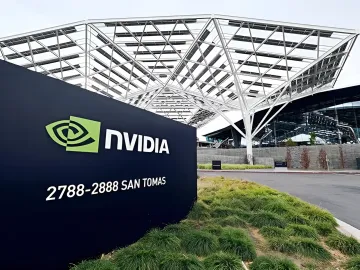
Trading on US markets saw a continuation of the correction that began the day before: the tech-heavy Nasdaq 100 index fell by 3.4%, while the S&P 500 index, which tracks major American corporations, dropped by 2.1%. Semiconductor manufacturers were hit the hardest — they had been the primary beneficiaries of the AI hype in recent months. Shares of Nvidia, which surged the day before following Jensen Huang's surprise return as CEO, fell by 7%. Broadcom and Intel lost more than 5%, while Micron plummeted by over 8%.
Why euphoria turned to alarm
According to Van Lu, Chief Strategy Officer for global solutions at Russell Investments, "sentiments are extremely anxious": the euphoria triggered by Huang’s return to Nvidia's helm has been replaced by the growing realization that "the focus on the AI ecosystem will only intensify." Investors are increasingly questioning whether the unprecedented spending linked to AI development will pay off and how it will be financed amid rising interest rates. A clear sign of waning appetite for risky assets was the increased demand for reliable US government bonds: the yield on 10-year Treasury notes hit 4.84%.
Impact on Asian markets
The instability in the AI sector also echoed across Asian stock markets, where shares of local semiconductor manufacturers also saw a sharp decline. The South Korean Kospi index fell by 6%, while shares of the two largest chipmakers — SK Hynix and Samsung Electronics, which account for about half of the index's market capitalization, dropped 11% and 10%, respectively. The Japanese Nikkei 225 index, heavily weighted toward tech, dropped 2.8%.
Europe and the global risk-off pivot
European stock markets, which are less dependent on the tech sector, remained relatively stable at the start of trading: the Stoxx Europe 600 benchmark index fell only 0.2%. However, the European sectoral index for tech companies fell by 2%, and since the beginning of November, it has dropped nearly 12%, making this the worst month for the sector since 2022. The investor flight from risk intensified following news of new tariffs: US President Donald Trump announced new tariffs against key trading partners, including the EU, China, Japan, and South Korea. The VIX volatility index, known on Wall Street as the "fear gauge," remained high, staying above 30 points, roughly double its September lows.
What analysts say
Experts are warning investors against attempting to "buy the dip." In their view, macroeconomic risks are currently too high, and the imbalance in AI-related investments is global, primarily affecting companies building the infrastructure for artificial intelligence. Thus, the current correction does not look like a local dip, but rather a revaluation of an entire market segment against a backdrop of expensive borrowing costs, trade restrictions, and questions about the profitability of AI investments.