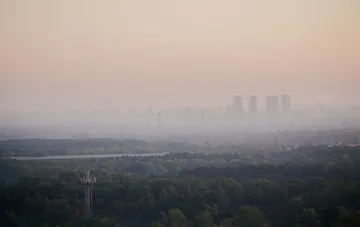
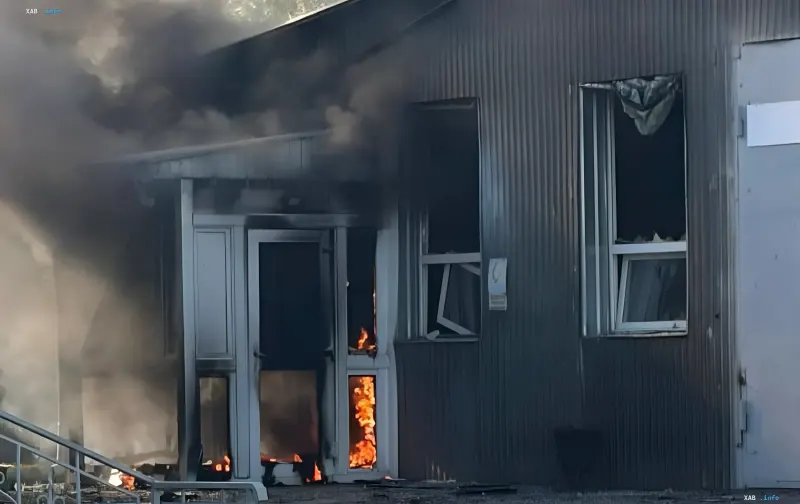
On the morning of September 27, 2026, a temporary deterioration in atmospheric air quality was recorded in the towns of Obukhiv and Brovary in the Kyiv region. This environmental situation was a direct consequence of another massive Russian attack involving strike UAVs, which affected not only the capital of Ukraine but also adjacent settlements in the region. Local authorities and rescue services promptly responded to the incident, initiating environmental monitoring.
Consequences of Debris Fall and Industrial Fires
According to Brovary Mayor Ihor Sapozhko and reports from the Kyiv Regional Military Administration, a fire broke out at one of the industrial enterprises in the Brovary industrial zone as a result of falling enemy drone debris. Emergency services worked at the scene to extinguish the blaze. As of morning, no information regarding casualties from this specific incident had been received, though material damage and the environmental footprint have yet to be assessed by specialists.Nature of Pollution and Risk Groups
According to official monitoring stations, fine particulate matter (dust) generated by fires and destruction became the primary air pollutant. Medics warn that prolonged exposure to such air can cause breathing discomfort. Elderly individuals, citizens with chronic cardiovascular diseases, people sensitive to respiratory irritations, and children are at heightened risk.Expert Recommendations and Radiation Background
To minimize the negative impact of harmful substances on health, specialized experts advise residents of the affected areas to keep windows tightly closed, avoid staying outdoors for long periods, and drink sufficient amounts of clean water. If an air purifier is available at home, it is recommended to set it to maximum mode. It is worth noting that no excess levels of chemical and biological substances were recorded in other districts of the Kyiv region, and the gamma radiation level remains within the normal natural background.