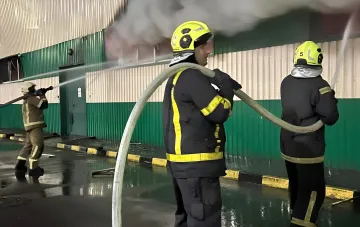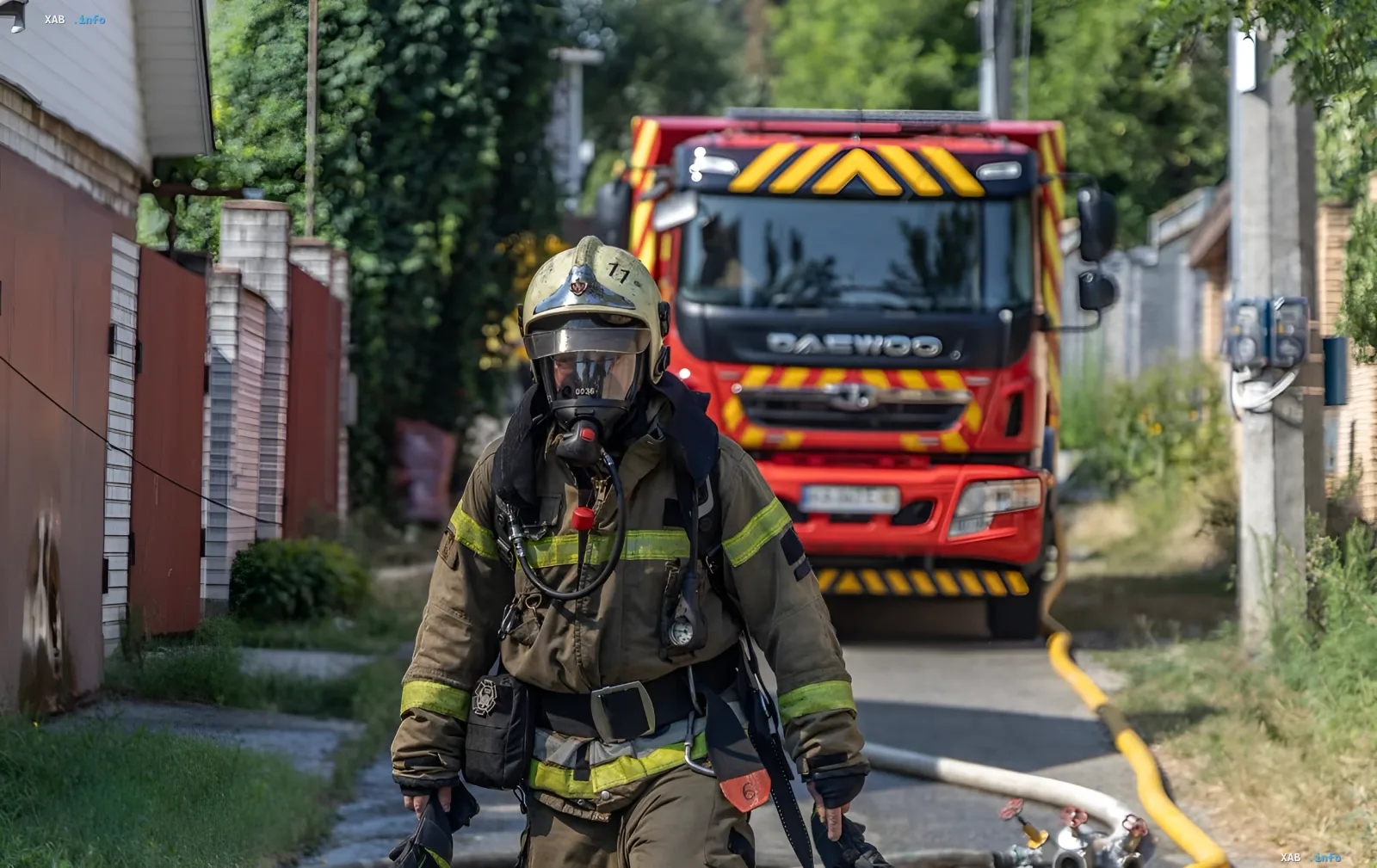
During the night and morning of August 31, 2026, the enemy struck several regions of Ukraine, including Kyiv Oblast. According to the Kyiv Oblast Military Administration, as a result of the attacks and the subsequent fires, air quality temporarily deteriorated in a number of settlements in the oblast. Monitoring stations recorded exceedances of permissible levels of fine dust at moderate concentrations. This was reported by RBC-Ukraine, citing official information from the OVA.
Air monitoring results
Based on the daily average observations of the monitoring stations, the main air pollutant in the affected communities was fine dust at moderate concentrations. Experts note that this level of pollution may cause mild breathing discomfort in people sensitive to respiratory tract irritation. In the other settlements of Kyiv Oblast where continuous monitoring is conducted, no exceedances of permissible levels of chemical or biological substances in the air were detected. Thus, no threat from toxic or radioactive contamination has been recorded at this time.
Recommendations for residents
To improve the situation and minimize the impact of fine dust on the body, OVA specialists recommend that residents of the affected communities follow a number of simple rules: limit time spent outdoors where possible, especially during hours of peak pollutant concentration; use protective masks or respirators when going outside; ventilate rooms during periods of lowest dust levels; seek medical help if breathing difficulties or discomfort occur. The OVA urges residents to monitor official information channels and not panic, as the recorded level of pollution does not pose a critical threat to the health of most people.
Casualties and consequences of the strikes
As a result of the morning strike on Kyiv Oblast, four people were injured. Two men sustained shrapnel injuries to their limbs, and two more injured people were hospitalized in the Boryspil/Brovary district. Warehouse facilities, a retail establishment, and a multi-apartment residential building were damaged. A separate attack by unmanned aerial vehicles caused a fire in warehouse facilities near Kyiv. The fire broke out in the village of Pohreby, where enemy jet-powered drones were heading, the movement of which had previously been warned about by Ukraine's air defense forces.
Contradictory data
There is a discrepancy between various sources regarding the number of affected settlements. In the initial message cited by RBC-Ukraine, the deterioration of air quality is mentioned in five settlements of Kyiv Oblast. However, the headlines of publications on the Ukranews and Korrespondent portals refer to four cities (communities) where pollution was recorded. The exact number of affected areas at the time of publication remains unconfirmed: it is possible that one of the communities was excluded from the final list after re-monitoring, or that an inaccuracy was made in the initial message. The Kyiv OVA had not published, at the time of preparing the material, an exhaustive list of all affected communities with reference to specific indicators.
Context: the series of attacks on August 31
The strikes on August 31 were part of an ongoing series of nighttime and morning attacks on Ukraine's infrastructure and settlements. Kyiv Oblast, due to its proximity to the capital and the presence of large logistics and warehouse facilities, remains one of the most vulnerable. Air defense forces are tracking the movement of jet-powered drones and unmanned aerial vehicles, but not all objects can be intercepted before the moment of impact. After each incident, an environmental monitoring protocol is automatically launched in the affected area, which allows the nature and concentration of pollutants in the air to be determined within a few hours.