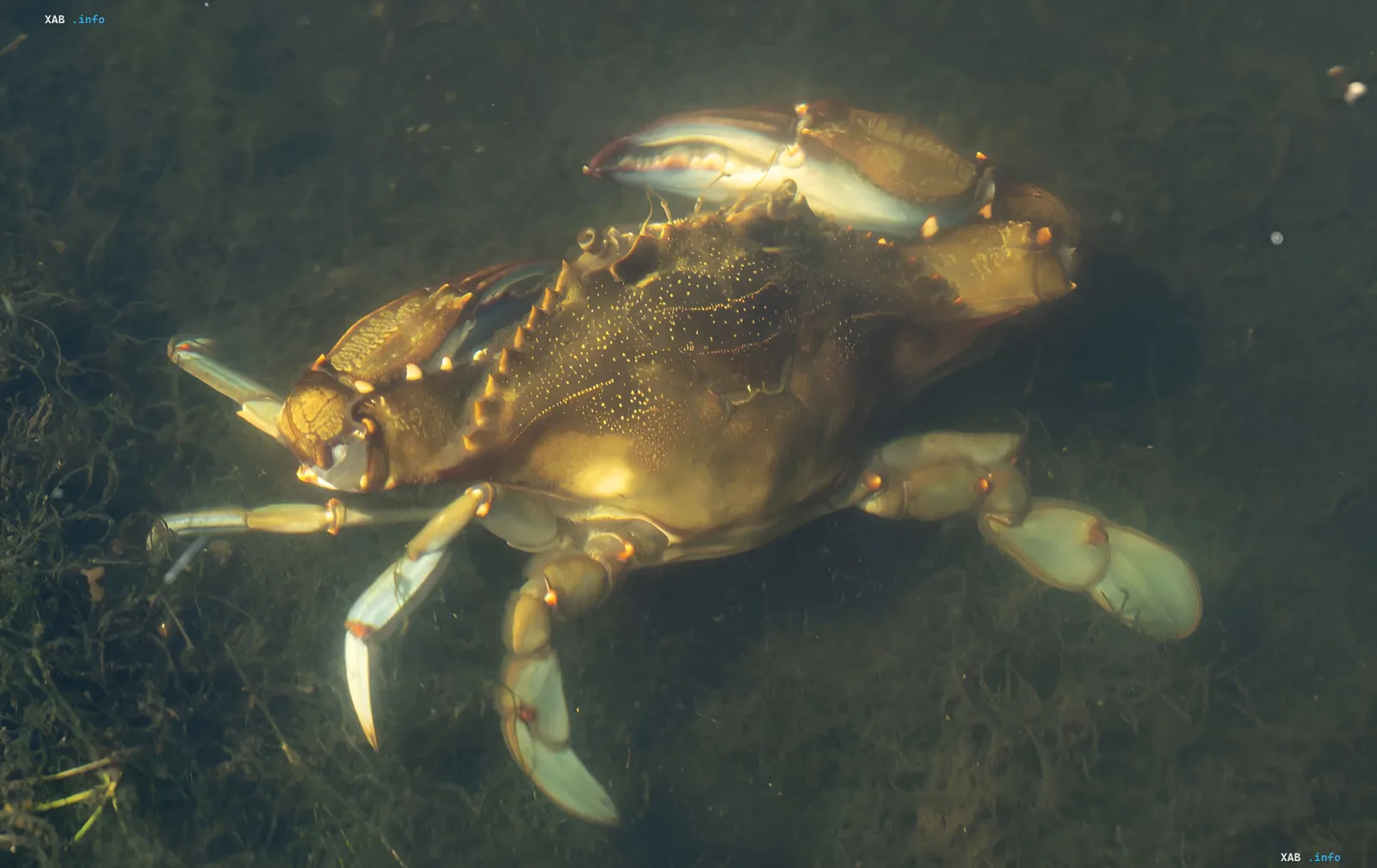
Climatic changes in Ukraine have triggered irreversible processes in nature. Global warming creates conditions where local flora and fauna are forced to yield their positions to new, more aggressive species from other regions. Experts warn: the ecological balance is being disrupted, and familiar inhabitants are being replaced by invasive "aliens".
The Battle for Survival in the Black Sea
One of the most striking examples of this ecological expansion is the Black Sea ecosystem. Due to changing climatic conditions, the aquatic environment is becoming more comfortable for species that were previously not found here or could not reproduce on an industrial scale.
Among the new dominants, experts highlight:
- The American blue crab — a predator with powerful claws capable of displacing local crustaceans;
- The Japanese river prawn — an active competitor in the struggle for resources;
- Rapana whelks — mollusks which, despite being familiar to coastal residents, are actually aliens from the Sea of Japan.
These organisms demonstrate high adaptability. Upon entering new conditions, they quickly settle and begin to actively displace indigenous species that are not ready for such rapid ecological changes.
Expert Opinion: Threat to Biodiversity
Sofia Sadogurska, an expert from the climate department of the public organization "Ekodia", emphasized in an interview with RBC-Ukraine that the main danger lies in the inability of local species to adapt to rapid warming and droughts.
"Climate change can cause changes in the distribution ranges of species. Species less tolerant of warming and arid conditions may be replaced by species that are more adapted to these conditions. These can be both our local species and new 'aliens' — non-native invasive species that spread rapidly and displace local representatives," explains Sadogurska.
The Need for State Regulation
The spread of invasive species due to climatic factors has become a serious challenge that cannot be ignored. The problem requires a comprehensive approach at the state level. According to a representative of the NGO "Ekodia", legislative regulation and specific environmental protection measures at the level of local communities are necessary.
The situation is exacerbated by other climatic anomalies: droughts and floods have become more frequent in Ukraine, where a month's worth of precipitation falls in a few hours, followed by weeks without rain. These extreme phenomena, along with the undermining of the Kakhovka Reservoir dam, have dealt a blow to the ecosystems of the south of the country, where losses of agricultural land have reached critical levels.


