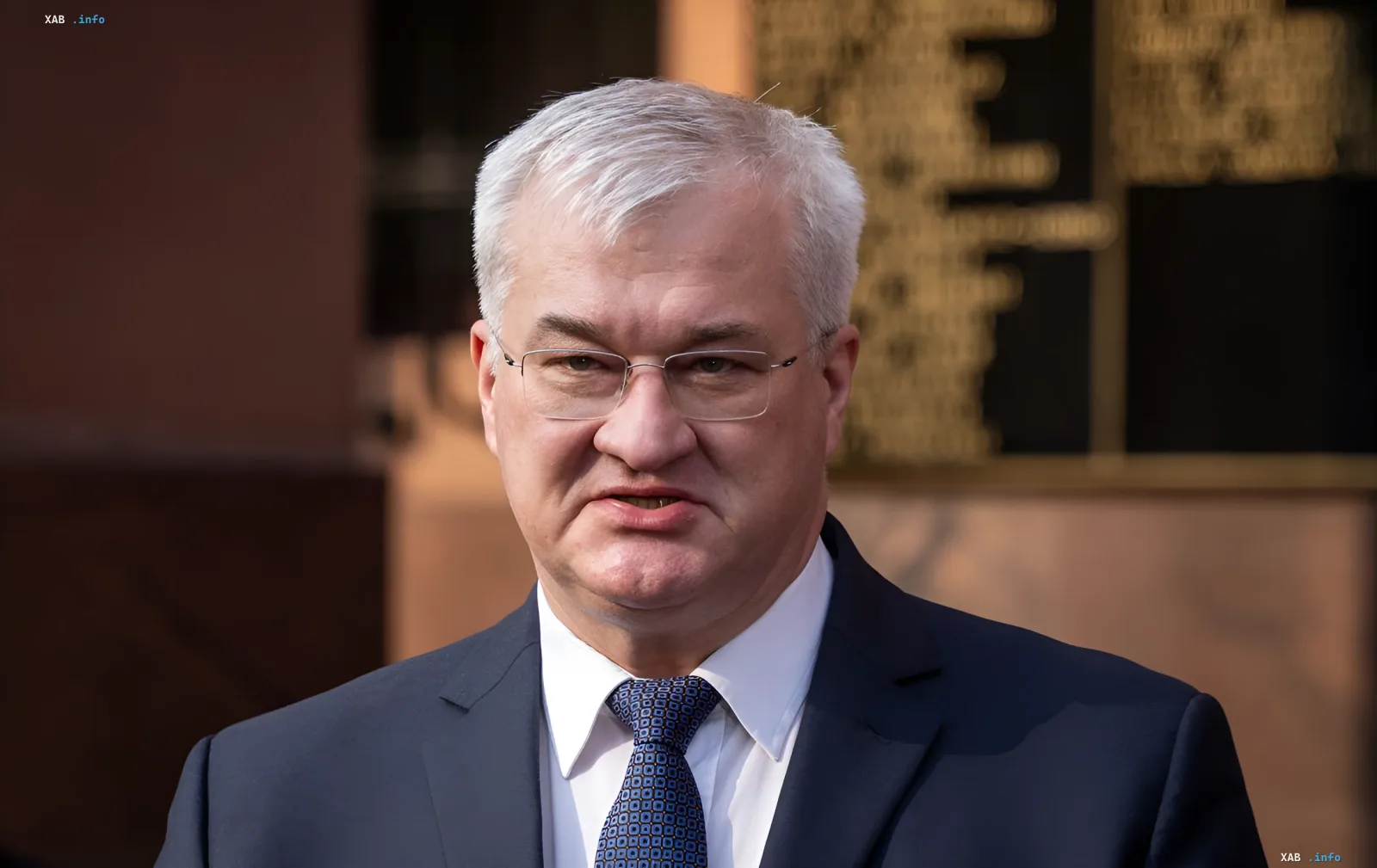
Ukraine has officially supported an initiative to investigate potential supplies of European alumina that may be entering the supply chains of Russia's defense industry. This was stated by Ukraine's Minister of Foreign Affairs, Andriy Sybiga, in response to alarming reports regarding the movement of strategic raw materials.
Critical Resource for the Defense Industry
The head of Ukrainian diplomacy emphasized that information regarding the potential involvement of European production in supplying the Russian war machine is a cause for serious concern. Aluminum remains one of the key materials for manufacturing missiles, drones, military aircraft, and other equipment used against Ukraine. Sybiga stated categorically: "No aluminum for the Russian war machine."
Kiev welcomes the decision by Irish authorities to launch an official investigation into the circumstances of the potential export of raw materials. The Minister expressed hope that the investigation will be conducted quickly, independently, and with maximum transparency. In his view, European logistics chains must not work, either directly or indirectly, to meet the needs of the Russian military-industrial complex.
Irish Plant and Ties with Rusal
The trigger for these sharp statements was data regarding the activities of the Aughinish plant in Ireland. The facility is the largest producer of alumina in Europe and is owned by the company Rusal, founded by Russian businessman Oleg Deripaska, who is under sanctions from Western countries.
According to documents reviewed by journalists from the Financial Times, one of the largest recipients of Aughinish's products in 2025 was Rusal's plant in Krasnoyarsk. Experts from the Kyiv School of Economics note that this city is listed as one of the important centers of Russia's defense industry. Furthermore, the Irish publication Irish Times reported that aluminum from the Krasnoyarsk facility could have been supplied through intermediary structures to companies linked to Russia's defense sector.
Effectiveness of Restrictions
Andriy Sybiga recalled that the restrictions previously introduced by the European Union regarding cellulose and chromium have already proven their effectiveness. In his opinion, a similar approach must be applied to alumina supplies. Moscow must be deprived of access to critically important resources necessary for the continuation of weapons production.


