The May Steam Hardware Survey recorded a significant shift in the balance of power in the personal computer processor market. AMD continued its steady growth, capturing 44.97% among Windows users, while Intel's share stood at 55.02%. This indicates that the historical dominance of the blue giant is gradually giving way to real competition.
The Math of Progress
The dynamics of change look particularly impressive when viewed over time. Compared to January 2026, when AMD's share was 43.34%, the company gained almost 1.6 percentage points in five months. Furthermore, the monthly trend is also telling: in April, Intel lost 0.79%, while AMD gained exactly the same amount.
This gap is narrowing steadily, without sharp spikes, indicating a systemic rather than situational redistribution of the audience. Users are massively choosing AMD solutions, changing the usual patterns of "hardware" consumption.
From Zen Architecture to 3D V-Cache
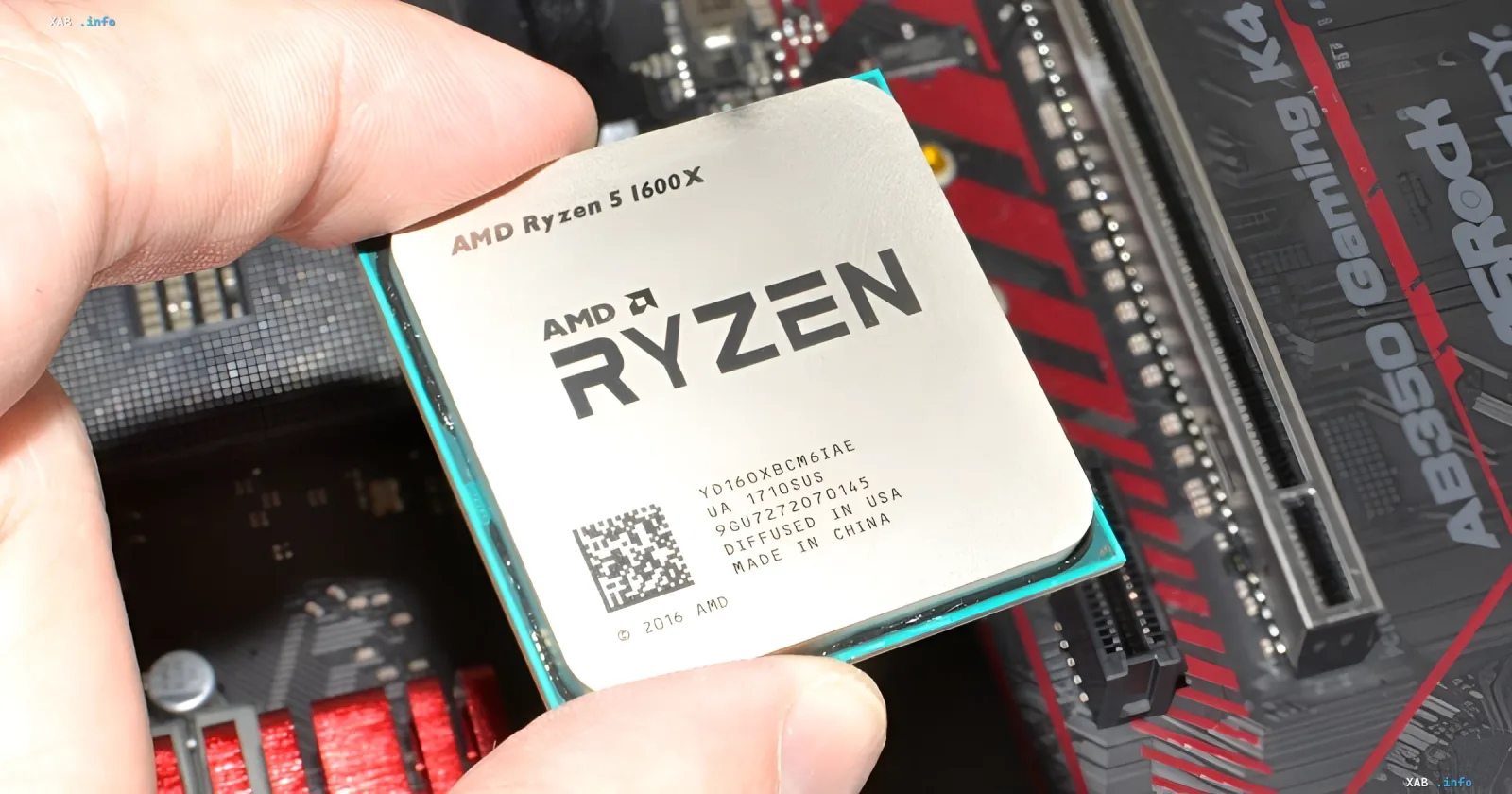
Historically, Intel has dominated the consumer processor market for decades. AMD began to compete in earnest only in 2017 with the release of the first generation of Ryzen processors based on the Zen architecture. It was then that the company laid the foundation that is now reflected in Steam's figures.
The 3D V-Cache technology played a key role in capturing the gaming segment. Chips with additional cache consistently outperform competitors in games, ensuring high FPS and smooth operation. AMD continues to expand this lineup: recently, the anniversary edition of the 5800X3D and the flagship 9950X3D with cache stacked under both eight-core chiplets simultaneously were announced.
Intel's Countermove
The market situation does not allow Intel to stand still. In the mobile sector, the company introduced the Panther Lake platform, while Nova Lake is being prepared for desktops, positioned as a true architectural leap. Competition between the two players is sharper today than at any time in recent years, and the future of the industry depends on who offers the better solution.


