Support for the war with Iran among Americans has reached one of its lowest levels since the beginning of the conflict. This is evidenced by data from a fresh poll conducted by the Reuters/Ipsos joint group. At the same time, a paradoxical situation is observed: the approval rating of President Donald Trump's activities has risen by 3% over the last month, despite public dissatisfaction with the military campaign.
Poll Results: Decline in War Support
According to the study conducted from Friday to Sunday among 1246 adult US citizens, only 33% of respondents support the military operation against Iran. This is a historically low figure for the entire five months of the conflict. The statistical margin of error for the poll is 3 percentage points.
The main reason for voter skepticism is the ambiguity of the war's goals. 69% of those surveyed are convinced that the US administration has failed to clearly explain why the country needs to participate in hostilities. This opinion is shared not only by Democrats and independent voters but also by about 40% of Republican Party supporters.
Economic Consequences and Political Pressure
The conflict has dealt a tangible blow to American wallets. With the start of hostilities, the average cost of gasoline in the US rose from $3 to more than $4 per gallon. The rise in fuel prices has become one of the key factors fueling public dissatisfaction and increasing pressure on the Republican Party ahead of the midterm Congressional elections scheduled for November.
In the election race, independent voters, whose opinion often proves decisive, are showing a clear preference for Democrats. In terms of economic policy, trust in the Democratic Party among this group is also higher. In the Congressional elections, Democrats are leading Republicans among independent voters with a result of 36% to 20%.
White House Reaction and Causes of the Conflict
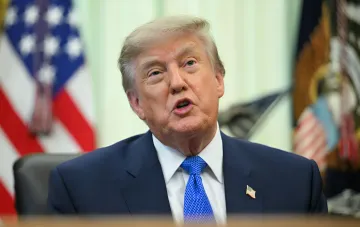
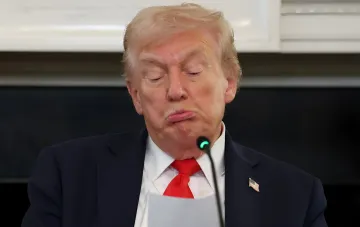
The President's administration reacted to the poll data with restraint. Press Secretary Olivia Wales stated that Donald Trump does not rely on the results of sociological studies. According to her, the main and unchanging task remains preventing Iran from acquiring nuclear weapons.
During the conflict, Trump has voiced different goals for the campaign: from helping Iranians change the government to destroying Tehran's ballistic missile potential. However, as the poll shows, these arguments have not found widespread support in society.
Recall that the escalation of tensions occurred after a violation of the ceasefire regime. The trigger was an attack by Iranian forces on commercial and civilian vessels in the Strait of Hormuz, which provoked retaliatory strikes from Washington. Despite the readiness to act radically, the US does not rule out the possibility of a positive outcome of negotiations.