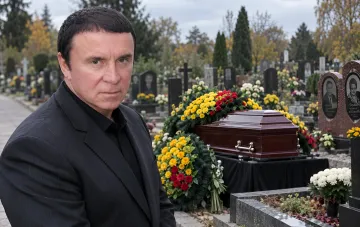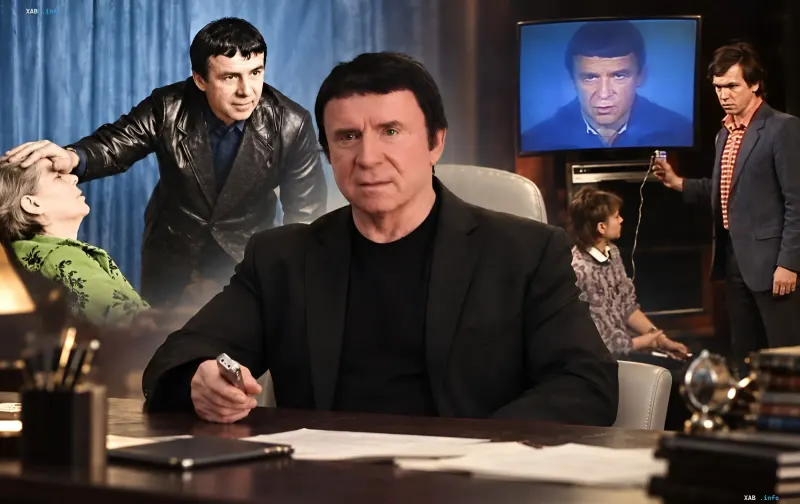
Anatoly Kashpirovsky, a native of the Khmelnytskyi region and one of the most famous television psychotherapists of the Soviet era, has died in Russia at the age of 87. The healer's death was announced by his director, Sergei Ryzhikh, who noted that Kashpirovsky had been hospitalized shortly before following a deterioration in his health. His passing marks the end of an era of mass hypnosis and television magic that captivated millions of people toward the end of the Soviet Union's existence.
Path to Fame and the TV Session Phenomenon
The future psychotherapist was born on August 11, 1939, in the village of Stavnytsia in the Khmelnytskyi region, and completed his professional training in Vinnytsia, where he worked in the medical field for about 25 years. He gained widespread fame and cult status through television psychotherapy sessions broadcast on USSR Central Television in the autumn of 1989. Kashpirovsky's programs drew record audiences to television screens, and he claimed the ability to exert a therapeutic effect on the human body over vast distances.
Political Career and Support for the Authorities
In the 1990s, Kashpirovsky tried his hand at politics, becoming a deputy of the first convocation of the State Duma of the Russian Federation from Vladimir Zhirinovsky's LDPR party. Despite complex and fluctuating relations with Zhirinovsky, he remained part of the political establishment and years later served as a trusted representative of the LDPR leader in the presidential election. Later, Kashpirovsky openly called Vladimir Putin his idol, emphasizing the strength of the Russian authorities, while occasionally making critical remarks about the state apparatus.
Contradictory Data
Serious discrepancies repeatedly arose around Anatoly Kashpirovsky's biography and health. Shortly before his death, media outlets actively spread reports that he had undergone major surgery due to a malignant tumor, while the psychotherapist's official representative categorically refuted these claims, denying the fact of hospitalization. Similar contradictions accompanied his accounts of negotiation activities during the Budyonnovsk hospital hostage crisis in 1995, where he allegedly used hypnosis to calm Shamil Basayev's militants and save hostages, which was documented solely by his own words.
Position on Ukraine and Final Years
Despite his Ukrainian origins and spending a significant part of his life in the Khmelnytskyi and Vinnytsia regions, after the start of the full-scale Russian invasion, Kashpirovsky did not adopt an anti-war stance and refrained from publicly criticizing the aggression. During public appearances in Russia, he avoided direct answers to acute geopolitical questions, including the status of Crimea, preferring to concentrate on commercial sessions and maintaining his notorious public image.