Ukrainian designer and stylist Andrei Tan, in a new Instagram video noticed by the Styler project from RBC-Ukraine, directly challenged one of the most persistent myths in everyday fashion: that "black always makes you look slimmer." In his words, relying exclusively on dark colors is a mistake that more often harms the silhouette than it helps. He pointed out that the key factor is not the shade of the fabric, but the cut, the fit, and the proportions of the garment.
The Myth of the "Slimming" Black
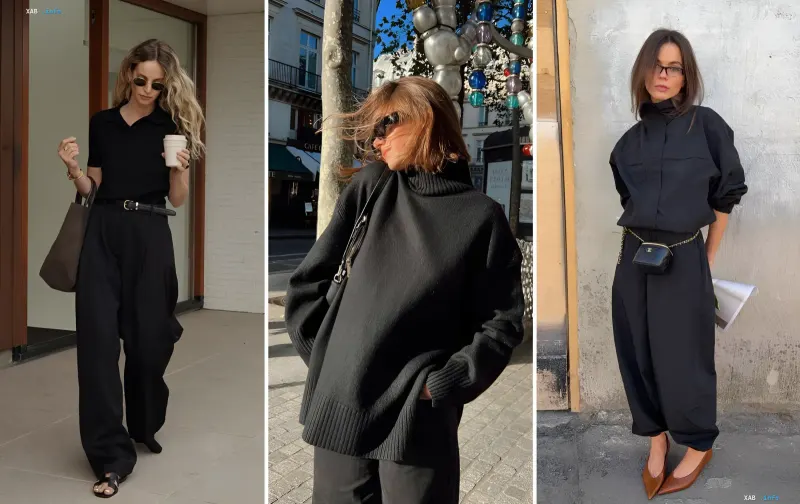
Tan acknowledged that dark shades do perform one useful function: they pull the silhouette together and make its outlines less noticeable. However, in his assessment, this effect is not enough for a person to objectively look slimmer. "The color black by itself does not make you slimmer. Yes, it can indeed pull your silhouette in a little, make its outlines less noticeable, but if the garment is the wrong length, if it doesn't fit you well or adds volume, black won't save you," the designer explained. Thus, color on its own works only as a minimal, not a decisive, factor.
Fit Matters More Than Color
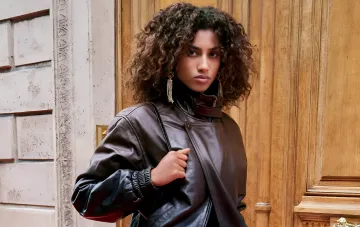
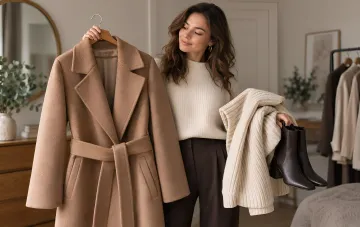
The stylist's main thesis is that a poorly constructed garment is not forgiven in any color. Shapeless, oversized clothing, even if it is entirely black, can, in his words, make the silhouette look bulkier rather than hide its flaws. At the same time, a light-colored garment with the right fit produces the opposite result: for example, a light jacket with a defined shoulder line visually elongates the figure and makes it look slimmer. The conclusion Tan draws is unambiguous: the secret to a slim look is not in dressing exclusively in black, but in working correctly with shape and proportions.
Details That Elongate the Silhouette
The designer listed specific structural elements to pay attention to when choosing clothes. First, the top and bottom of an outfit must harmonize with each other: an unsuccessful length or a wrong ratio of volumes can visually distort the silhouette even in dark clothing. Second, vertical accents help — long jacket lapels, vertical seams, and other details that create a "top-to-bottom" direction, which elongates the figure and creates a slimmer outline.
High Rise and Precise Length
Separately, Tan highlighted the high rise of trousers, jeans, or skirts as one of the simplest tools for correcting proportions: it emphasizes the waist and visually lengthens the legs. The stylist also stressed that even a few centimeters of length can noticeably affect how the figure is perceived, so it is important to consider not only fashion trends but also your own proportions. A garment, in his formulation, must "work for you," not merely have a fashionable color: both overly loose and overly tight clothing can create unwanted volume regardless of whether it is black or light.
Black Stays in the Wardrobe
At the same time, Tan does not call for eliminating black from the wardrobe: it remains a versatile color that pairs easily with other shades and styles. The limitation concerns only one goal — looking slimmer "automatically." "So stop hiding in black from head to toe just because you want to accidentally look slimmer. That won't happen. It's not the color that shapes the figure; it's the right cut that does," the designer emphasized. The practical advice comes down to this: before automatically choosing an all-black outfit "for slimness," it is worth first assessing the silhouette of the garment — sometimes a well-chosen light jacket or clothing with a precise cut will do more for your figure than a shapeless dark ensemble.