Ukrainian designer and stylist Andre Tan broke down in an Instagram video how to use cut and accents to make a silhouette with full hips look more proportional. The material was analyzed by the entertainment project Styler (RBC-Ukraine), which highlighted five specific styling techniques. The stylist's main message is that wide hips are not a flaw that must be hidden under loose clothing, but a feature of the figure that should be skillfully worked with through cut, length, vertical lines, and the placement of accents.
Trousers and Skirts: Vertical Lines and the A-Line Silhouette
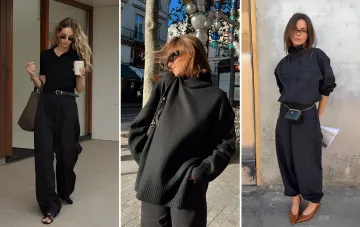
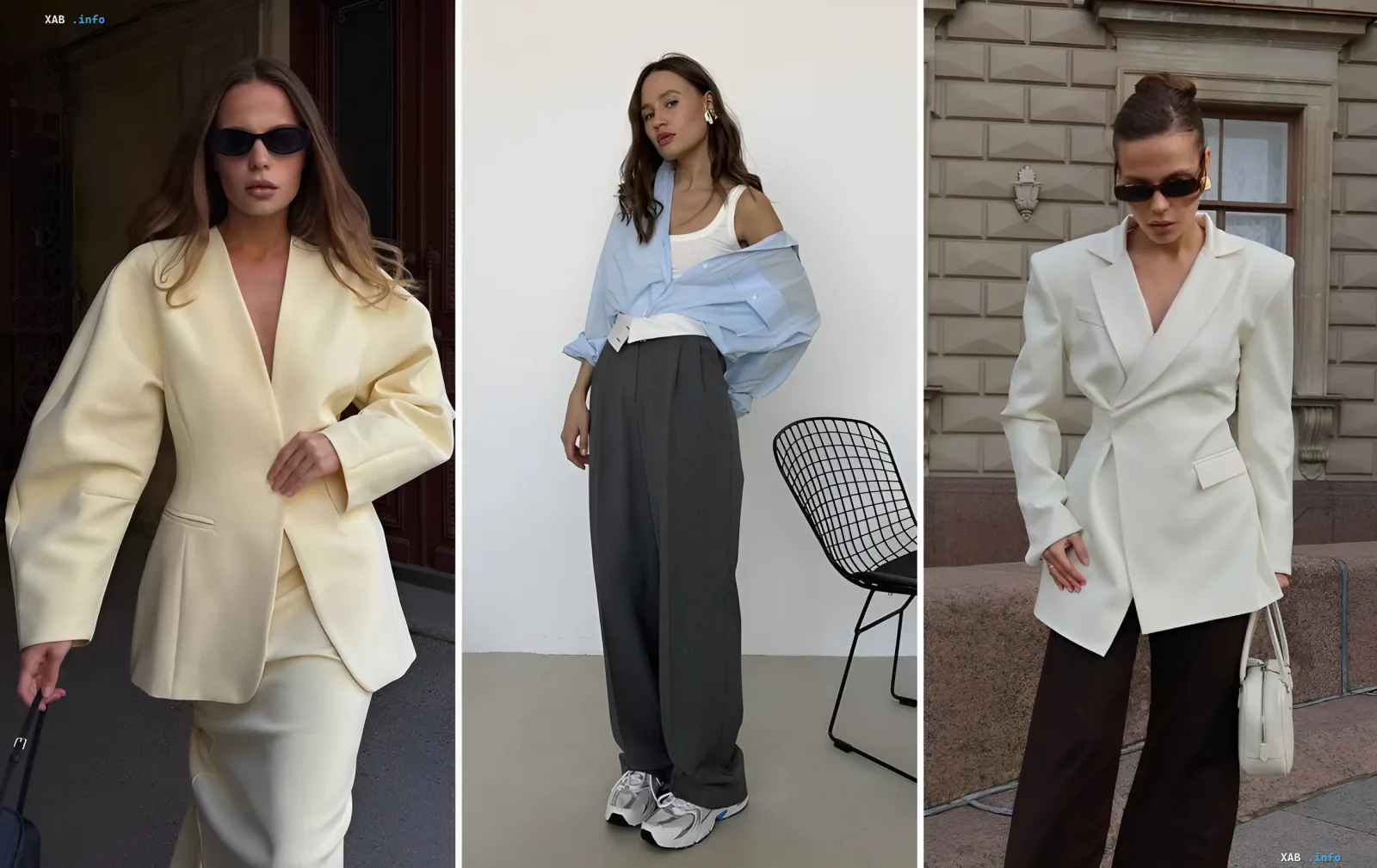
The first thing Tan advises paying attention to is the cut of the trousers. To visually balance the hips, the stylist recommends looking at straight and wide-leg models and giving up very tight-fitting options if the goal is not to emphasize the difference between the hips and the rest of the figure. According to him, a straight or wide cut creates a vertical line, visually elongates the legs, and makes the silhouette more proportional. Such trousers look especially effective with shoes on a small heel or with models that continue the vertical line of the outfit. An alternative is A-line skirts: they narrow at the top and gradually widen toward the hem, accentuating the waist and softly framing the hips without a sharp transition at the widest point of the figure.
Accent on the Upper Body
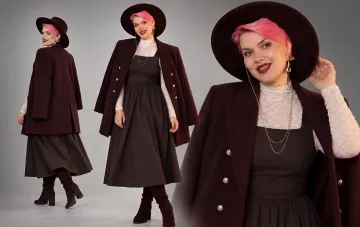
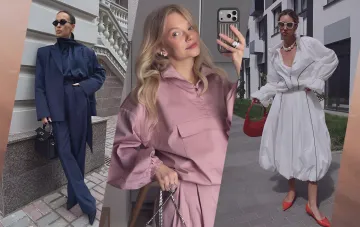
The third, but one of the key, techniques is to shift attention to the upper part of the body. To do this, Tan suggests using structured shoulders, voluminous sleeves, bright or accent colors, as well as noticeable accessories near the face, such as large earrings. The logic is simple: when a striking accent appears at the top of the outfit, the gaze is distributed more evenly across the silhouette, and the hips stop being the sole "point of attraction." Thus, the goal is not to hide the lower part of the figure, but to balance the proportions through contrast between the upper and lower zones.
A Solid Lower Half and a Light Top
Another way to put together a more cohesive silhouette is to choose a calm, solid-colored lower half. Tan emphasizes that this does not necessarily mean black: depending on the overall look, dark blue, brown, gray, or milky shades work well. The main condition is the absence of an excess of contrasting details in the lower part. If you pair such a calm lower half with a light or bright top, the accent shifts upward again, and the outfit looks more put-together and proportional without the need to rely exclusively on dark "hiding" pieces.
Longer Jackets: The Length Rule
The fifth technique is longer jackets and shirts, which create vertical lines along the sides of the body and, as a result, make the silhouette look visually taller and slimmer. Here the stylist notes an important nuance: the length of the outer layer matters. The jacket should not end at the widest part of the hips — it is better for it to be slightly longer and drop below that line. This avoids an additional horizontal accent exactly where you do not want to create one and prevents "cutting" the figure in half.
The Stylist's Philosophy: Proportions, Not Concealment
In conclusion, Andre Tan repeats the main idea: instead of automatically choosing black clothing, maximally loose items, or trying to mask the silhouette, one should pay attention to cut, length, vertical lines, and the placement of accents. It is precisely these details, according to the designer, that can completely change the perception of an outfit without requiring you to give up your own figure. The stylist's approach is consistent with his earlier public breakdowns of trends and typical outfit mistakes, where he also emphasized the balance of proportions and the conscious selection of details, rather than following a single "hiding" recipe.