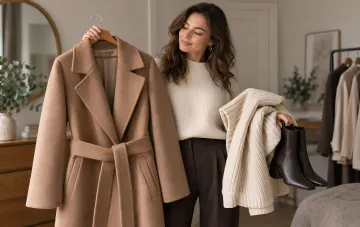
Ukrainian designer and stylist Andre Tan has published a guide to smart shopping on his Instagram, explaining which wardrobe items justify a high price tag and which purchases are better to approach with budget in mind. According to him, the secret to a perfect closet is not the quantity of items, but the smart allocation of funds: some categories require generous investments, while others can be saved on without losing style. These recommendations are especially relevant for those who want to build a wardrobe where items truly work together rather than lying dead weight.
Footwear: Comfort Matters More Than a Name
The first category the designer advises against skimping on is footwear. Tan emphasizes that we wear shoes every day, so true comfort is tested by feet, not by flashy advertising or a recognizable logo. When choosing, it is important to focus on your own sensations and the quality of the product: shoes should fit well, be comfortable, and withstand regular use. This is precisely why excessive economy in this wardrobe category, according to the fashion designer, is inappropriate.
Outerwear: An Investment for Five to Ten Years
The designer named quality outerwear as his second expenditure priority. A good coat or jacket, he says, can remain relevant and serve for five or even ten years if the fabric, cut, and fit are chosen successfully. Tan advises paying attention to these specific characteristics: if they meet expectations, a more expensive purchase proves to be more profitable in the long term than several cheap alternatives that break down quickly.
The Fit Decides: Why a Tailor is More Important Than a Logo
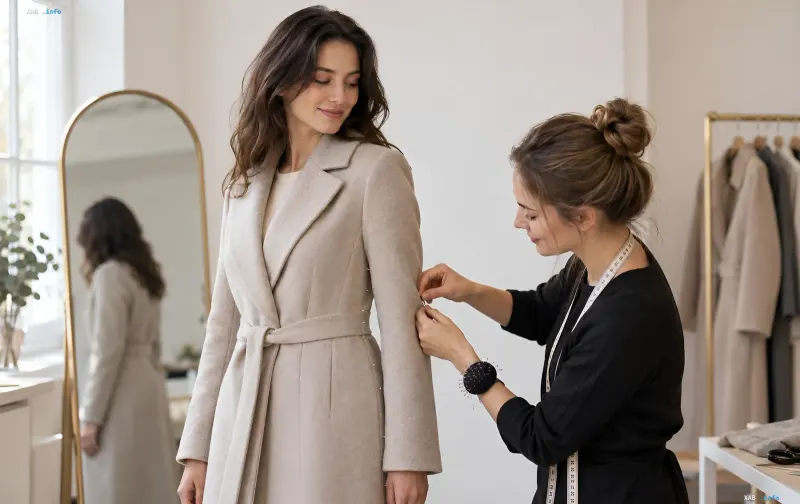
The designer separately notes that even a high-quality item does not look perfect without the right fit. This is why he does not grudge money for the services of a professional who tailors clothes to the body. A successful fit, according to Tan, is sometimes more important than an expensive logo: an item that fits well can look significantly better and more expensive than clothing from a famous brand that does not match the owner's measurements. A clear example of such work is fitting a coat with a tailor, where the master pins and adjusts the garment directly on the client.
Where to Save: Basics and Short-Lived Trends
The designer advises saving on simple basics, such as T-shirts, which are easy to combine with different wardrobe elements. As an example, he showed an H&M T-shirt that he wears himself. However, Tan clarifies that even a basic item should fit well and hold its shape: a low price by itself should not be the main criterion for choice. Separately, he warns against overpaying for clothes and accessories that quickly go out of style — an expensive purchase for a short-lived trend risks staying in the closet after just a few months.
The Principle of Practical Utility
Bringing all the tips together, Tan suggests considering not just the price, but the practical utility of the item. According to him, a $200 garment that a person wears constantly may be a smarter investment than a $20 accessory that lies in the closet for years. Before buying, the designer recommends evaluating the quality of materials, fit, durability, and the frequency of use. Such an approach helps to avoid impulsive spending and gradually form a wardrobe where every item works for the general look and the owner's comfort.