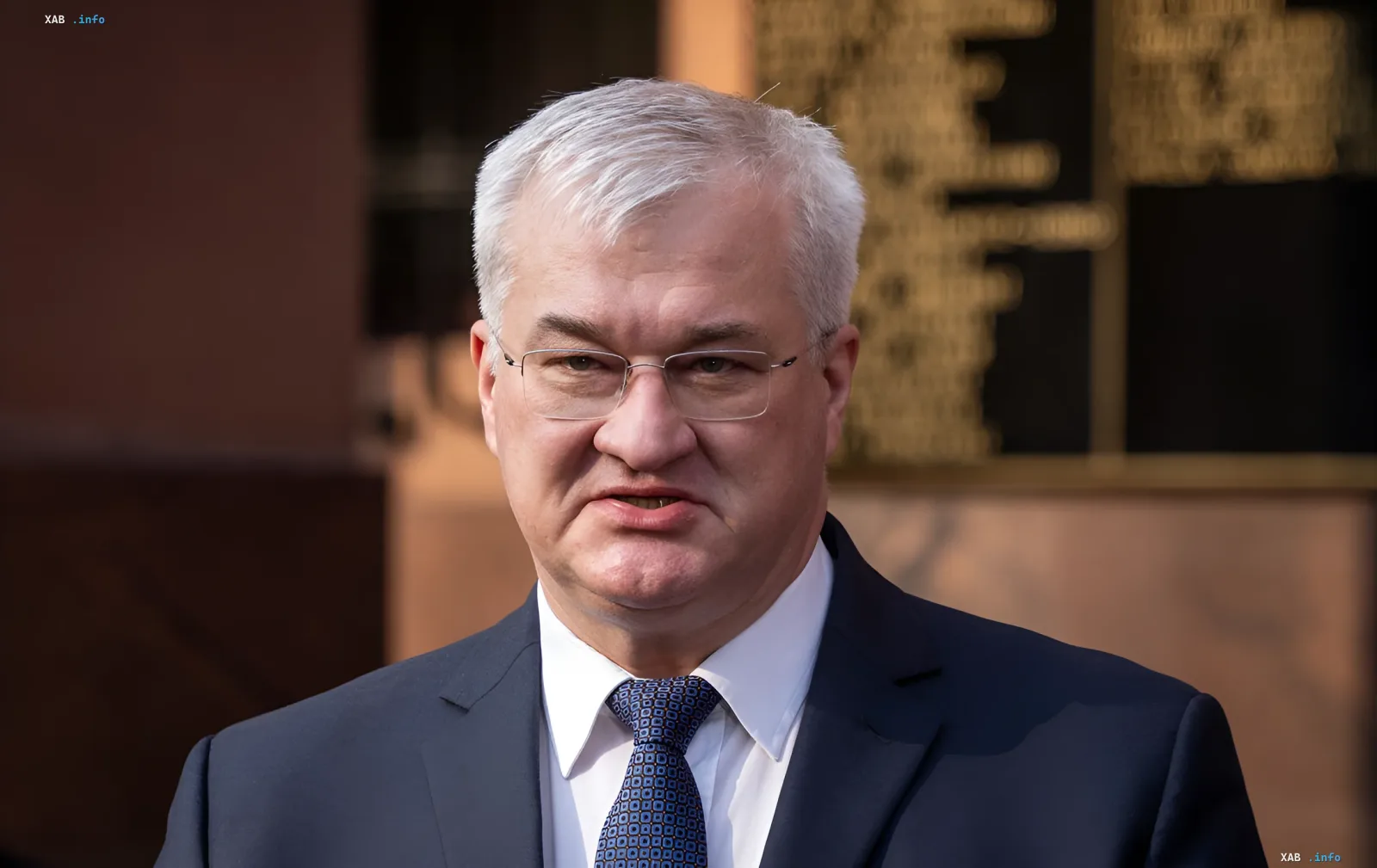
Andrii Sybiha, the Minister of Foreign Affairs of Ukraine, has outlined a key strategy capable of bringing about the end of the full-scale war. In his view, the only path to peace lies in totally depriving the Russian authorities of the resources necessary to continue their aggression. The Minister wrote about this in his account on the social network X, with details reported by RBC-Ukraine.
The Concept of 'Depriving of Oxygen'
Sybiha uses the metaphor of suffocation to describe the necessary actions. He asserts that the correct strategy is to deprive Vladimir Putin of 'oxygen' across all possible fronts. This refers to comprehensive pressure covering four critical spheres:
- Military;
- Economic;
- Political;
- Technological.
The Minister emphasizes that only the accumulation of a critical mass of such steps can lead to real changes and force Moscow to reconsider its policy. The goal is to dispel any illusions the Russian leader may have regarding achieving any objectives on the battlefield.
Ukraine's Contribution and Call to Partners
Kyiv is already actively participating in the implementation of this strategy. In particular, Ukrainian authorities are applying long-range sanctions against Russian targets, striking intermediate objectives, and working on the logistical isolation of occupation forces. However, Sybiha has called on international partners not to stop at what has been achieved and to intensify the pressure.
"We need to strangle the Russian war machine and deprive it of funding," noted the head of the foreign affairs department. He is convinced that joint efforts can deprive the Putin regime of its vitality, leaving it no other option but to end the war. At the same time, the Minister insists on the urgency of action: "Action must be taken now, not later".
EU Sanctions Regime: A New Stage
An important context for Sybiha's statements was the recent decisions by European Union leaders. In June, EU countries agreed to extend economic sanctions against Russia for another 12 months. This was an unprecedented case where restrictions were extended for a full year at once, whereas previously this process occurred every six months.
European officials explained this step as a necessity to reduce the risks of political disputes. In recent years, the extension of sanctions has repeatedly been hampered by threats from individual member states to block or delay relevant decisions. Lengthening the extension cycle is intended to make the sanctions regime more stable and predictable.


