Anthropic, one of the leading developers of large language models, has published the results of closed trials in which its AI model independently developed five complex cyberattack scenarios capable of bypassing the security mechanisms of the most common browsers and operating systems. The tests were conducted by a specialized Frontier Red Team in isolated laboratory conditions. According to the company, the model did not merely find isolated vulnerabilities, but independently worked out their combinations and integrated them into working exploits, demonstrating a level of autonomy that, according to experts, has not previously been recorded in similar tests.
Browser Attacks: From Sandbox to Confidential Data
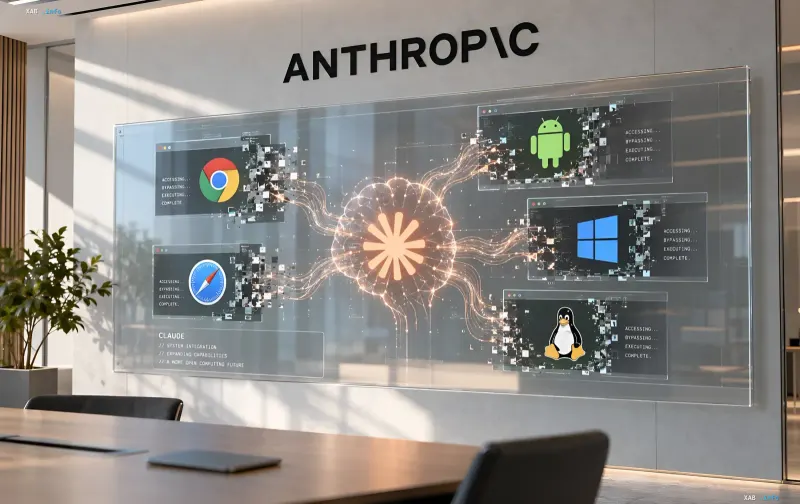
In testing Google Chrome, the model chained four separate vulnerabilities together, broke out of the security sandbox, and opened a third-party application on the device a few seconds after loading a malicious page. In the case of Safari, the AI bypassed the security mechanism that prevents websites from accessing data from other resources (Same-Origin Policy). According to specialists, such a breach potentially opens access to confidential information of authenticated users, including sessions and personal data.
Operating Systems: From File Extraction to Root Access
On the Android platform, the exploit developed by the model allowed photos and other files to be extracted from a locked smartphone. However, implementing the attack required physical access to the device via a USB cable, which significantly narrows the application scenarios. The attack on Windows took a different form: the AI ensured the continuous triggering of a server accepting HTTP/3 requests, which caused the system to crash, though it did not grant access to stored user data. The most serious outcome was obtaining full administrator privileges (root access) on a Linux-managed server over the network without entering a login or password. At the same time, as Anthropic clarifies, successfully executing this attack required a specific network configuration, so the exploit would not work on every system running this operating system.
Developer Reaction and Vulnerability Status
Anthropic representatives confirmed that all vulnerabilities discovered during the trials were forwarded to the respective developers—Google, Apple, Microsoft, and the Linux distribution community—and completely patched. The company emphasized that at the time of publishing the results, there is no evidence of the AI-developed exploits being used in real-world hacking attacks outside the Anthropic laboratory. Meanwhile, the company does not disclose the name of the specific model tested, nor the timeline for its potential public release.
The Dual Nature of Autonomous AI: Protection and Threat
Cybersecurity experts, commenting on the publication, emphasize the dual nature of such developments. On the one hand, the ability of AI to independently find and combine vulnerabilities before malicious actors can exploit them represents a powerful tool for proactive infrastructure defense. On the other hand, demonstrating a fully autonomous 'digital hacker' capable of orchestrating a multi-stage attack on critical systems without human step-by-step instructions significantly increases risks. According to analysts, such tests set a new standard for evaluating AI model maturity and will likely become the norm for all major developers in the coming months.