
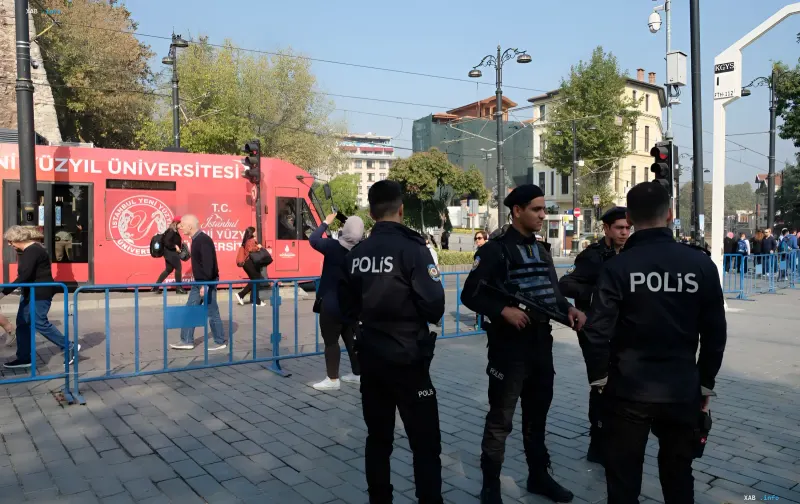
Major events have unfolded in the center of Istanbul, linked to the NATO summit taking place in Ankara. Thousands of city residents took to the streets to express their disagreement with the visit of alliance leaders to Turkey. The demonstration, which covered the central arteries of the metropolis, turned into a loud political signal.
Who took to the streets of Istanbul?
The organization of the rally united diverse political forces. In the column of protesters, one could see representatives of leftist movements, activists of pro-Palestinian organizations, and Kurdish political groups. Despite differences in ideology, they were united by a common goal — to demonstrate protest against the presence of NATO on the territory of the country.
Anti-American slogans and demands
The atmosphere of the march was charged with anti-American sentiments. Participants chanted loud slogans calling on the USA to leave Turkey. Among them were phrases like: "Killers, USA, get out of our country".
One of the participants, 21-year-old Ali Gültekin, clearly formulated the position of the demonstrators. According to him, the protest is directed against the very fact of holding the meeting in Ankara. Gültekin called NATO a "machine for mass murder" created to maintain global hegemony and emphasized that organizing the summit for "millions of dollars" is unacceptable.
Political context: Ukraine and Air Defense
The rally in Istanbul took place against the backdrop of key negotiations in the Turkish capital. One of the main topics of the summit was the discussion of Ukraine's security. President Volodymyr Zelenskyy had previously stated that during meetings with the American leader, the issue of strengthening the air defense of the Ukrainian army would be raised.
The focus is on the topic of supplying Patriot surface-to-air missile systems. These systems are necessary for Kyiv to protect against Russian ballistic missiles. Thus, the protest sentiments in Istanbul arose against the backdrop of serious geopolitical discussions concerning security in the region.


