
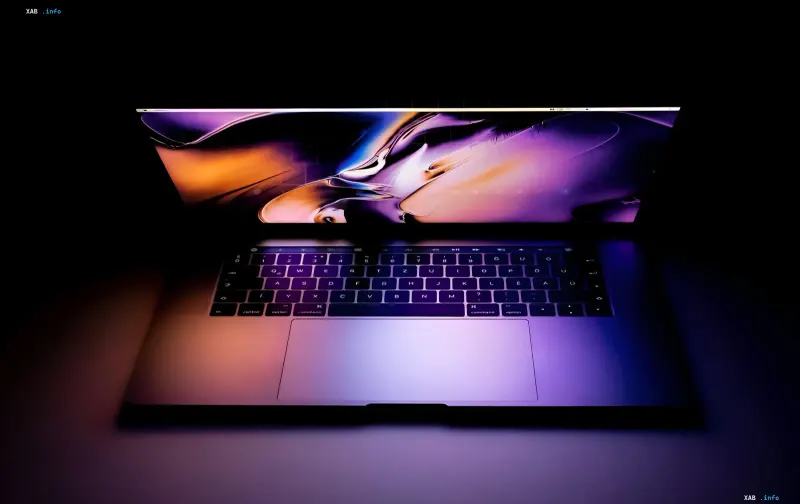
The history of the computer industry is witnessing a new turning point. Following the presentation of macOS 27 Golden Gate, Apple has made an unprecedented decision that will forever change the landscape of the Mac ecosystem. The operating system is officially ending support for Intel processors, and the Rosetta 2 emulator, which has ensured compatibility for decades, is preparing for its final shutdown.
The End of Intel Processor Support
With the release of macOS 27 Golden Gate, support for Intel hardware solutions has been completely discontinued. While the previous 2025 release, macOS 26 Tahoe, still allowed a limited list of professional devices to function, the new version closes this path definitively. Popular models have been affected, including the 16-inch MacBook Pro (2019), 13-inch MacBook Pro (2020), Mac Pro (2019), and 27-inch iMac.
Now, the update ecosystem is oriented exclusively towards ARM architecture. Only computers released from 2020 onwards, equipped with M-series processors, as well as the company's newest sub-flagships, are guaranteed to receive fresh OS versions.
Security and Device Lifecycle
It is important to understand that abandoning major updates does not instantly turn Intel-based devices into "bricks." According to Apple's traditional security policy, each macOS version receives critical patches for three years after its release. This means that owners of older MacBooks can expect protection against vulnerabilities and regular maintenance at least until 2029.
The Finale for Rosetta 2 and the Challenge for Developers
The most significant change in the ecosystem will be the fate of software. Apple has officially announced that macOS 27 Golden Gate will be the last OS version containing Rosetta 2 — a special translation layer that allows x86 applications to run on Apple Silicon processors.
The consequences of this step for the software market will be massive:
- In the current macOS 27 version, old Intel programs work in standard mode.
- After the release of macOS 28 in 2027, launching native applications for the Intel architecture will become technically impossible.
Such a sharp move is designed to stimulate developers to fully rewrite their products for the ARM architecture. This will provide users with higher energy efficiency and performance, unlocking the potential of Apple Silicon chips by 100%.
An Exception for Gamers and a Dead End for Office Software
Apple paid special attention to the problem of abandoned projects and old video games that do not receive updates. As an exception, the company promised to preserve limited Rosetta functionality in future system versions, but exclusively for launching classic games.
However, this option will not be compatible with most business and office applications. If a developer does not update their application for ARM, it will cease to function in the new environment. For users, this means the need to carefully check software compatibility before updating the system in the future.


