The Ukrainian Council of Armament Manufacturers has presented an analytical overview of the counter-air-terror market, highlighting three key developments with the highest number of documented combat results against jet-powered attack drones such as the Geran. Amid escalating aerial attacks and the enemy's modernization of unmanned systems capable of high speeds at high altitudes, traditional air defense methods require technological supplementation in the form of specialized interceptor drones.
Leaders Among Interceptor Drones
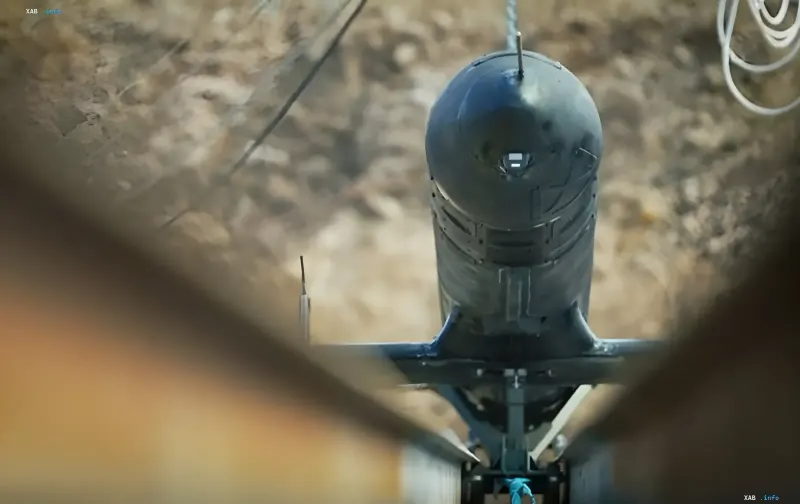
Experts identify the Sting and Sting S line of vehicles, developed by the Ukrainian team Wild Hornets, as the first notable solution. According to the manufacturers, the first successful interception was recorded as early as May, and by September, one of the modifications had destroyed about a dozen Geran-4 drones and several Geran-5 units, primarily operating under remote control. In addition, significant successes were achieved by a secret interceptor of the Security Service of Ukraine (SSU), whose functionality was demonstrated at the official level, as well as systems purchased by the Serhiy Prytula Charitable Foundation, which successfully hit a jet target at an altitude of over three kilometers at a speed exceeding 400 km/h.
Technological Features and Characteristics of New Systems
Developers from the Wild Hornets team emphasize that the Sting S model is an evolutionary development of the base Sting platform. It is a high-speed multicopter optimized for mass production, distinguished by ease of use and relatively low cost. Most test and combat interceptions of jet targets are carried out using the innovative Hornet Vision Ctrl remote control technology. At the same time, the base version of the Sting, with a speed of up to 280 km/h and a ceiling of up to 7,000 meters, is already actively used by pilots of the SSU's Alpha special unit.
Contradictory Data
Despite impressive footage of successful combat uses published by military agencies and manufacturers, the expert community urges a realistic view of the effectiveness of the new weapons. The Council of Armament Manufacturers notes that while each effective Downing is captured on video, the exact statistics of failed attempts, misses, and technical failures remain classified. The Technological Forces of Ukraine alliance points out that in earlier iterations, specialized interceptors demonstrated only 35-40% successful interceptions, proving that they are not a universal panacea and must be used in combination with other air defense layers.
Prospects and Further Funding
The Ukrainian defense technology market is expanding rapidly. For instance, in August, the Ministry of Defense officially confirmed the receipt of the first domestic turbojet interceptor, Alexa Spatium, by the Defense Forces. In parallel, the leadership of the military department is actively working with international partners, particularly the European Union, to attract additional funding for the large-scale production and procurement of jet drone interceptors.