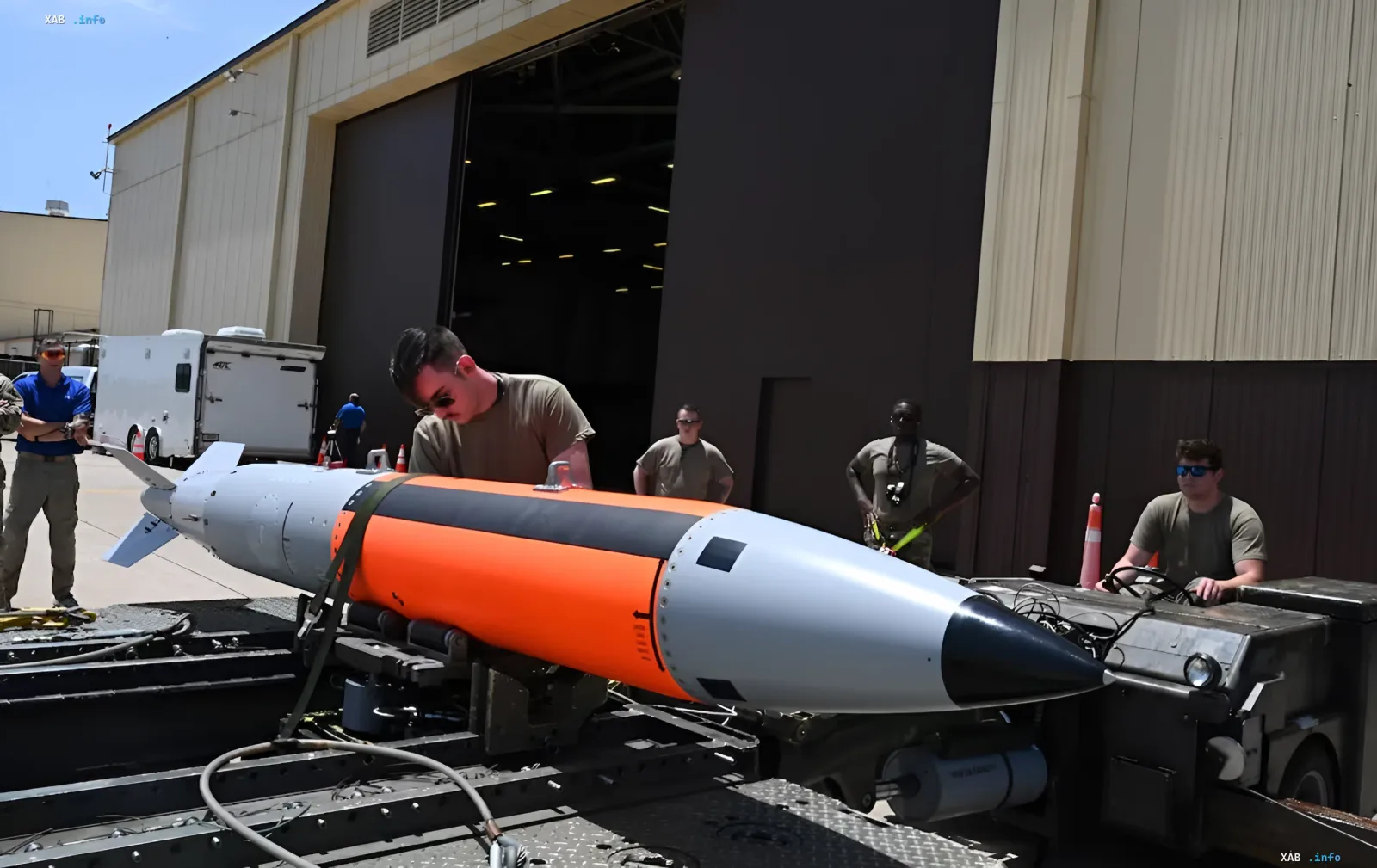
The global nuclear balance has undergone radical changes in 2025. According to a new report by the International Campaign to Abolish Nuclear Weapons (ICAN), nine nuclear-armed states have sharply increased funding for their arsenals. Total spending reached a record $119 billion, a 19% increase over the previous year. This is the fastest growth since 2020, when systematic tracking of such expenditures began.
Absolute US Dominance
The United States has maintained its status as the undisputed leader in the nuclear arms race. Washington allocated $69.2 billion for the development and maintenance of its nuclear shield. For comparison: this sum exceeds the combined spending of all other nuclear powers in the world. Over the year, American investment in this sector grew by 22% — the highest rate among all members of the "nuclear club." The White House is not only increasing the overall military budget but is also actively engaged in restoring and modernizing the strategic arsenal.
Change of Leaders: UK Overtakes Russia
A significant reshuffling has occurred in the ranking of nuclear spending. The United Kingdom, having increased funding for its program by 17%, raised its budget to $12.6 billion. This jump allowed London to overtake Russia and take third place in the world. Moscow allocated $9.5 billion to its nuclear forces. The growth of the Russian budget was only 6% compared to the previous year, which officially dropped the Kremlin to the fourth spot in the global list.
China and the General Context
China firmly holds the second position in the list. Beijing spent $13.5 billion on nuclear objectives, increasing the budget by 7% over twelve months. Despite the rise in spending, overall control of the world remains with the two superpowers: Russia and the US together own about 83% of the world's nuclear potential.
According to SIPRI data, there are currently 12,187 nuclear warheads in the world. Of these, 9,745 are in military stockpiles and ready for immediate use.
Escalation on the Periphery
In addition to major powers, activity is observed in other regions. North Korean leader Kim Jong Un visited a new plant for the production of nuclear materials and ordered the expansion of the country's nuclear potential at "exponential rates."
Separately worth noting is the intelligence data from NATO. The agency tracked the actions of the Russian Northern Fleet, which may indicate attempts by Moscow to place nuclear missiles on the seabed. These steps, against the backdrop of record budget growth around the world, signal a new phase of the global arms race.


