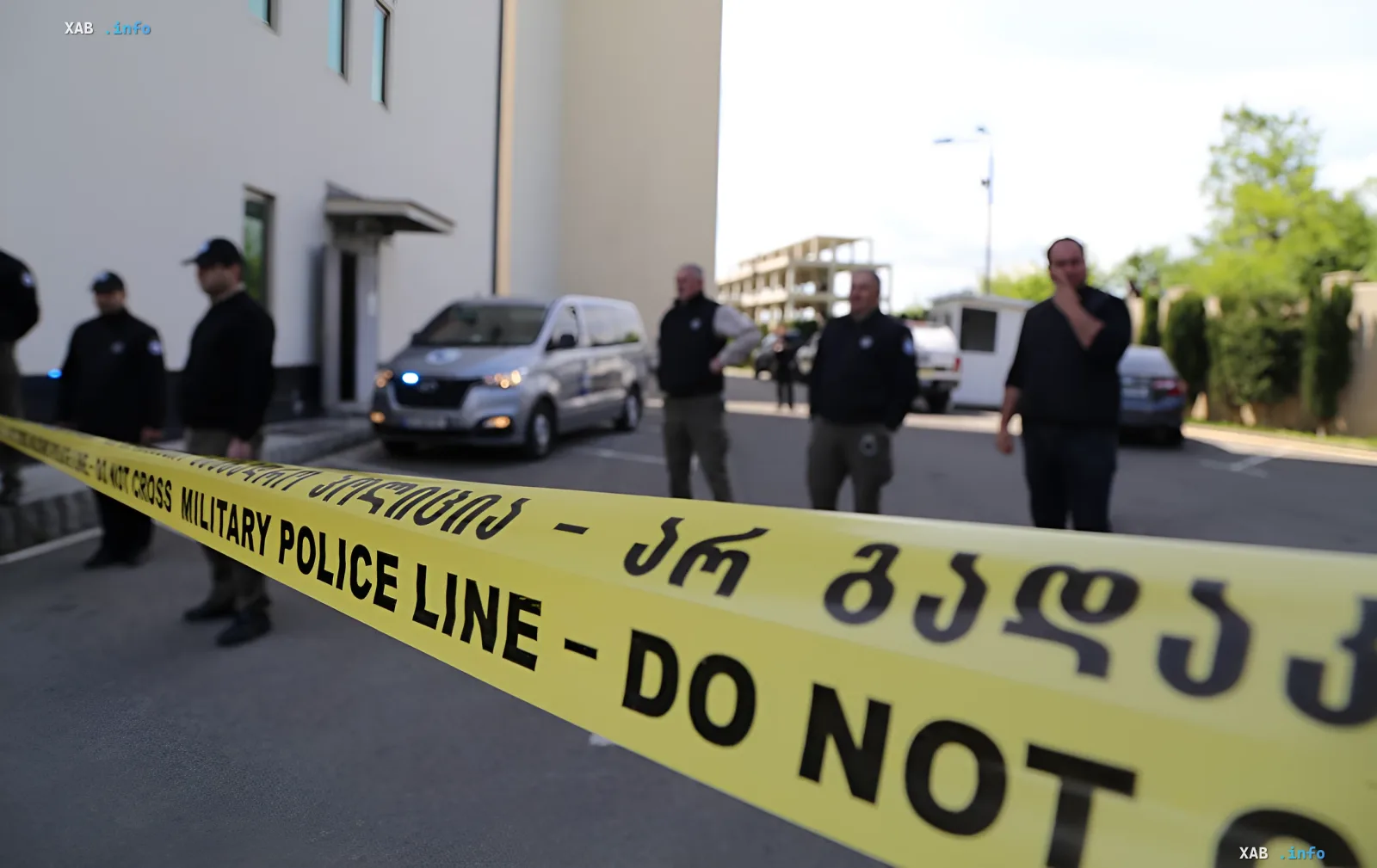
A major political scandal is unfolding in Georgia involving the activities of pro-Russian activists. The country's State Security Service (SSS) has detained the founder of the local version of the 'Immortal Regiment' march and accused him of spying for foreign intelligence agencies. According to the investigation, the defendant faces up to 12 years in prison.
Accusations of transmitting secret data
According to the investigators, Rtshiladze spent many years collecting and transmitting intelligence information to representatives of two foreign states. To legitimize his activities and create the appearance of public work, he organized mass events, including 'Immortal Regiment' marches, and created information platforms.
According to the case materials, the transfer of data was carried out both electronically and in person—during meetings on the territory of Georgia and abroad. The SSS has not yet specified which countries' intelligence agencies are mentioned in the charges.
Second detainee and defense version
During the operation, a second suspect was detained—Irakli Chikhladze, director of the 'Eurasia' media union and founder of the 'Caucasus Human Rights Center'. He is also charged with espionage.
Chikhladze's lawyer claims that his client's arrest is directly related to his public activities aimed at exposing 'Russophobia' in Georgia. The lawyer has signed a non-disclosure agreement regarding the details of the case but insists that there is no real evidence of espionage activities.
Network of organizations and funding
Rtshiladze is known as one of the key proponents of the pro-Russian agenda in Georgia. Several influential structures are registered in his name, including 'Immortal Regiment Georgia', 'People's Movement for Georgian-Russian Dialogue', and 'Caucasus Cooperation'. The 'Eurasia Institute' led by him recently formed a Council for Monitoring 'Russophobia'.
The activist's position on the conflict in Ukraine is hardline: he justifies Russia's invasion and blames the war on President Volodymyr Zelenskyy. Journalistic investigations in 2025 showed that Rtshiladze received funding from the Russian Fund for Support of Compatriots Abroad, which adds weight to the accusations of working for foreign interests.


