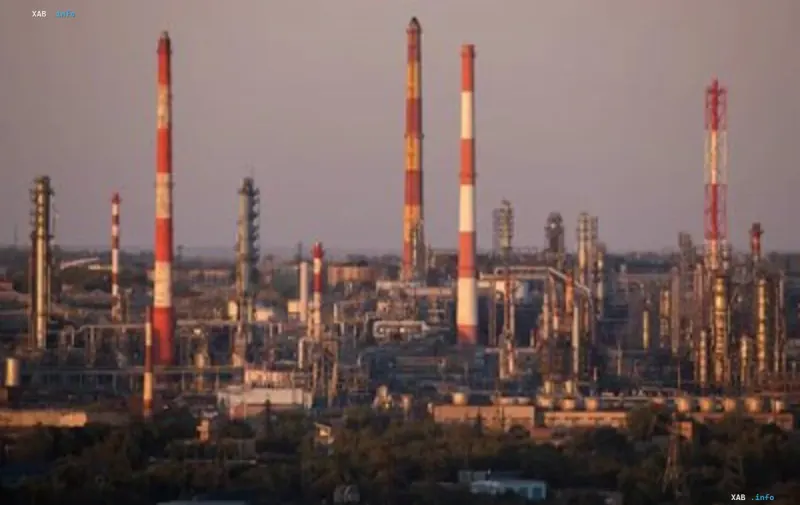
The ATESH partisan movement has claimed responsibility for a successful sabotage operation in the Rostov Region, which disabled electrical equipment at a strategic enterprise. The target was the Kamensky Combine located in Kamensk-Shakhtinsky. According to a statement published by the movement on its official Telegram channel, agents damaged a distribution hub supplying electricity to the plant's production facilities, causing local disruptions and necessitating repair and restoration work.
Significance of the Kamensky Combine for the Military-Industrial Complex
The Kamensky Combine plays a critical role in supporting the needs of the Russian defense industry. The enterprise specializes in the production of solid rocket fuel used in multiple launch rocket systems, including Uragan, Smerch, and Tornado-S complexes, as well as various aviation systems. Disrupting the stable power supply of such plants creates severe technological difficulties within continuous production chains.
Nature of Damage and Logistics Implications
According to the partisan organization, damage to the distribution equipment led to a temporary halt of certain processes at the enterprise. Such incidents force factory specialists to focus on addressing accident consequences rather than performing core production tasks. Under conditions of continuous military production, such pauses significantly complicate logistics and logistical support for units.
Context of Sabotage Activity in Rear Regions
Activists of the ATESH movement regularly report carrying out targeted operations at rear infrastructure facilities involved in supporting military needs. Previously, movement representatives reported infiltrating strategic enterprises in other regions, as well as carrying out similar actions aimed at disabling power grid and communication elements used by the Russian military-industrial complex.
Assessment of the Incident's Impact on Production Processes
Such actions demonstrate the vulnerability of critical infrastructure facilities in rear areas to covert interference. Although repairing damaged distribution hubs is technically feasible, unscheduled downtime and the need to restore complex equipment inevitably lead to delayed delivery schedules and a reduction in the overall output rate of strategic products for an indefinite period.