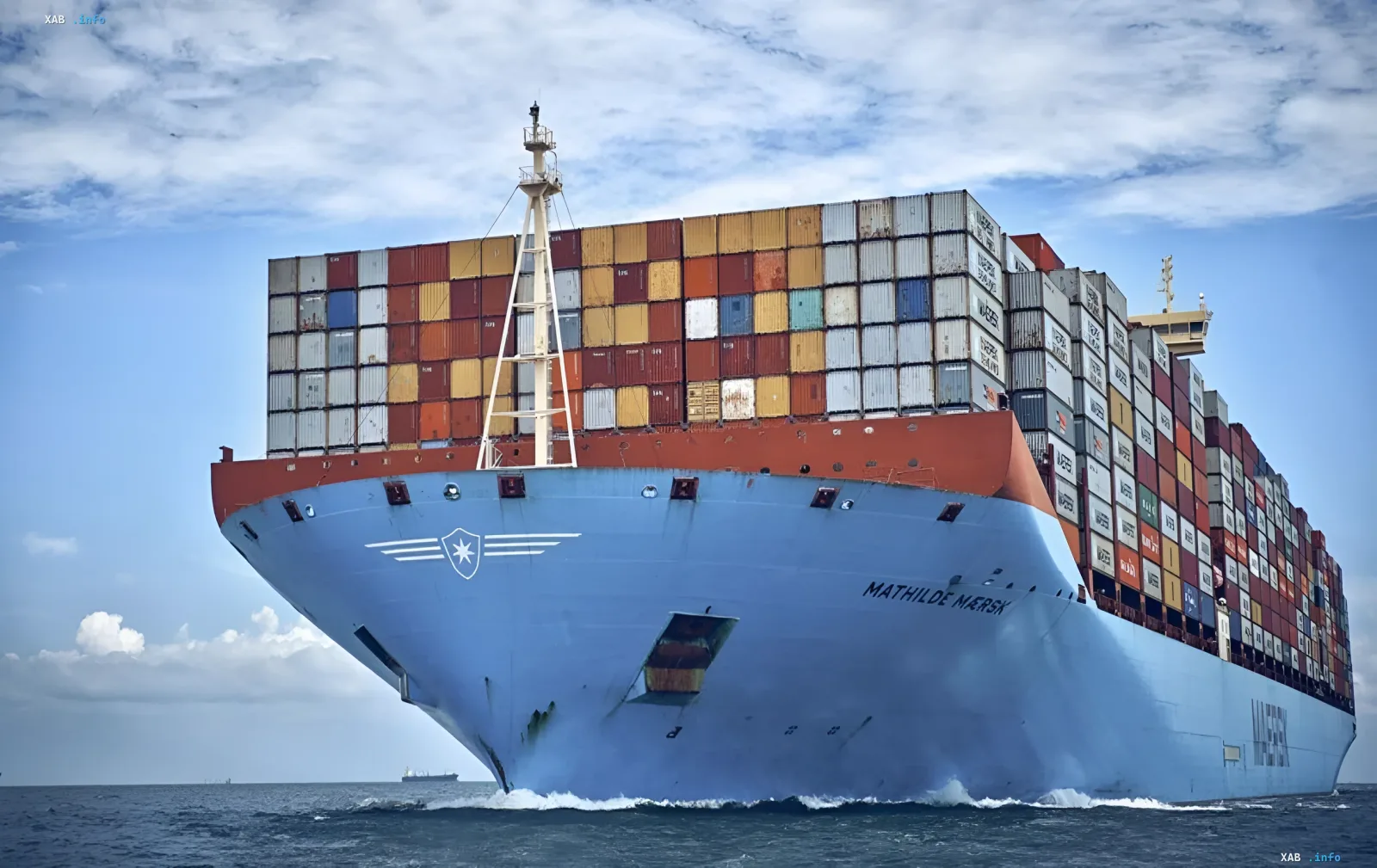
The United Nations International Maritime Organization (IMO) has decided to temporarily suspend the operation to evacuate vessels from the Strait of Hormuz area. The reason for this emergency pause is an attack on a cargo ship in the Gulf of Oman, which has cast doubt on the safety of the maritime corridor and the possibility of further navigation.
Evacuation Under Threat
The vessel escort program was launched on June 23. The initiative was designed to help hundreds of vessels and thousands of sailors who were trapped in the region due to hostilities. Two routes were identified for safe passage: through Iranian waters and through Omani waters. The latter option had the support of the United States.
By the time the suspension was announced, 57 vessels had used the maritime organization's program services. Approximately 1,100 sailors on board these ships managed to leave the danger zone.
Causes and Consequences of the Incident
IMO Secretary-General Arsenio Dominguez stated that the pause is necessary to assess safety guarantees following the latest incident. According to preliminary data, the attacked vessel was not participating in the official evacuation program, but the fact of the attack itself served as a warning signal.
According to Reuters, the vessel was damaged after a strike off the coast of Oman. This incident has dealt a new blow to the fragile agreements on shipping security in the Strait of Hormuz. US officials suspect that Iran may be involved in the attack, although there is no official confirmation of this version yet.
Geopolitical Context
The Strait of Hormuz remains one of the world's most important maritime routes, through which a significant portion of global oil exports passes. Following the partial restoration of vessel traffic, traffic in the region began to grow, but the latest attack has once again heightened concerns about navigation safety.
The situation in the region remains tense against the backdrop of diplomatic processes. Iran closed the Strait of Hormuz within days of signing a peace agreement with the US in June. On the night of June 18, US President Donald Trump signed a framework agreement with Iran, providing for preliminary peace arrangements. However, work on the details continues, and the issue of Tehran's nuclear program remains particularly acute.


