
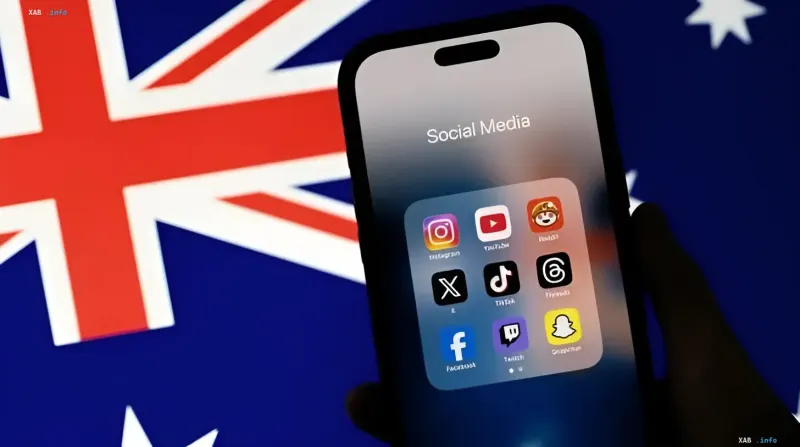
A landmark shift has occurred in the world of digital security. The Australian government, led by Prime Minister Anthony Albanese, has made an unprecedented decision: to double administrative fines for tech giants that allow children into social networks. The new liability cap reaches 99 million Australian dollars (approximately $68.3 million USD). This move is a direct response to systemic failures in protecting minors identified by independent auditors.
The decision comes against a backdrop of alarming statistics. Although the world's first law completely banning social media use for those under 16 came into force on December 10, 2025, the actual effectiveness figures remain questionable. In the first six months of enforcement, the industry reported the removal of over 5 million accounts allegedly belonging to children. However, independent monitoring by the University of Newcastle revealed that over 85% of teenagers aged 12 to 15 continue to use the platforms.
How teenagers bypass the "digital lock"
The study revealed critical vulnerabilities in the verification mechanisms used by corporations. Teenagers demonstrate high adaptability, using false data during registration, VPN services to change geolocation, and accounts registered under parents' or friends' names. Australian Communications Minister Anika Wells pointed directly to the problem: companies often use formal algorithms to minimize costs, sacrificing real child safety in the process.
In response, the government is not just raising fines—it is changing the very architecture of oversight. Previously, the maximum fine was $49.5 million, but now the regulator has tools for deep auditing. The focus is not only on platform owners but also on infrastructure intermediaries, such as the App Store, Google Play, and electronic identification system providers.
New powers for the eSafety Commissioner
A key role in implementing the new regulations is played by the eSafety Commissioner, led by Julie Inman Grant. The agency has received expanded rights to compulsorily demand internal documentation. The regulator can now require reports on measures taken and technical data not only from social networks but also from their partners.
Refusal to cooperate or concealment of information is now punishable by a separate fine comparable to sanctions in the competition protection sector. Currently, eSafety is conducting official investigations into five major IT conglomerates managing Facebook, Instagram, Snapchat, TikTok, and YouTube services. Legislative amendments are planned to be approved in the federal parliament before the end of the current session.
Global trend: other countries follow Australia
The Australian experience is shaping a supranational legal trend. Strict rationing of access to social media is no longer a local initiative. In the first half of 2026, similar legislative initiatives introducing an age limit of 15–16 were officially announced or began to be implemented by the governments of the UK, France, Indonesia, Brazil, and Canada. The world is moving from voluntary recommendations to strict state regulation of the digital environment.


