
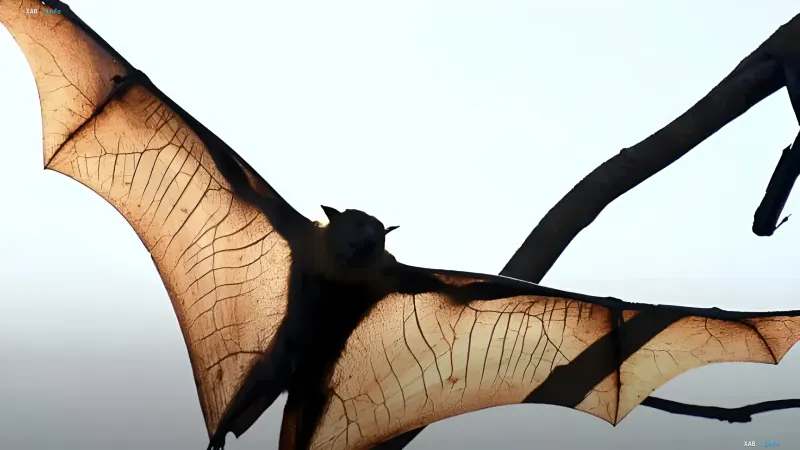
The New South Wales (NSW) Health Department has issued an official warning for residents in the northern part of the region to avoid approaching or touching bats (flying foxes). The warning was prompted by a noticeable increase in incidents involving bites and scratches from these animals. Experts remind the public that such situations carry the risk of transmission of the Australian bat lyssavirus (ABL), a pathogen closely related to the rabies virus that can cause a severe and potentially fatal disease in humans.
Rise in Bites and Scratches
According to the NSW Health Department, between September 28 and October 10, 2026, a total of 43 people in the northern part of the state suffered bites or scratches from bats. By comparison, only 10 similar cases were recorded during the same period last year, representing more than a fourfold increase. The incidents were reported in the Hunter, Mid North Coast, Northern New South Wales, and Central Coast regions. Authorities attribute the surge to seasonal animal activity and their closer proximity to human habitations.
What is Australian Bat Lyssavirus
Australian bat lyssavirus belongs to a family of viruses related to rabies. Once clinical symptoms appear, the disease progresses severely and can be fatal; there is no effective treatment at this stage. However, experts stress that timely medical care following potential exposure to the virus—including emergency vaccination and other preventive measures—can prevent the disease from developing. This is why it is critical not to delay seeking medical attention after a bite or scratch.
Authorities' Position and Recommendations
Keira Glasgow, Director of Health Protection at the NSW Health Department, emphasized that any bat can carry the virus, regardless of its appearance or behavior. She noted that transmission of the virus to humans is rare, but a bite or scratch from an infected animal poses a serious health risk. Consequently, residents are advised to avoid direct contact with bats, refrain from trying to catch, pick up, or feed them, and immediately seek medical assistance for risk assessment and preventive measures following any contact.