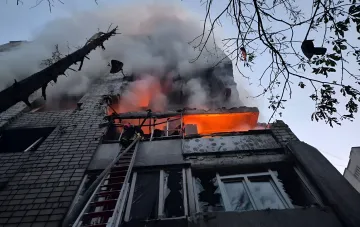

On the night of July 30, the capital of Ukraine became the target of a massive attack. Russian forces launched a series of ballistic missiles towards Kyiv, resulting in a series of powerful explosions in the city. Information about the incident is confirmed by official sources: data came from the Air Force of the Armed Forces of Ukraine (AFU) and the Kyiv Military Administration (KMVA).
Timeline of Events and Government Response
Events unfolded rapidly. The military announced the threat of ballistic missile launches at 1:07 AM. Almost simultaneously with the alert, the first explosions were heard in the city. The KMVA message contained a categorical appeal to residents: "Air raid in Kyiv due to the threat of ballistic missile use. Immediately use the nearest shelters and stay there until the danger passes".
The air raid map, current as of 1:15 AM on July 30, recorded a critical situation in the capital region. The attack occurred under conditions where Ukrainian President Volodymyr Zelenskyy had already warned the population of an impending strike. The head of state stated that Russia had been preparing a massive shelling for several days and predicted that the strike could occur precisely that night. Zelenskyy urged citizens to strictly respond to alarm signals and not ignore warnings.
Context of Escalation
The night bombardment with ballistic missiles became a continuation of the enemy's aggressive activity. On the night of July 29, Russia had already attacked Ukraine, using 229 attack drones in various directions. Air defense forces reported shooting down or suppressing 65 enemy unmanned aerial vehicles in the north, south, and east of the country. Despite the efforts of the defenders, 14 drones were recorded to have hit 10 locations. The current strike on Kyiv indicates a change in tactics and the use of more powerful means of destruction.