
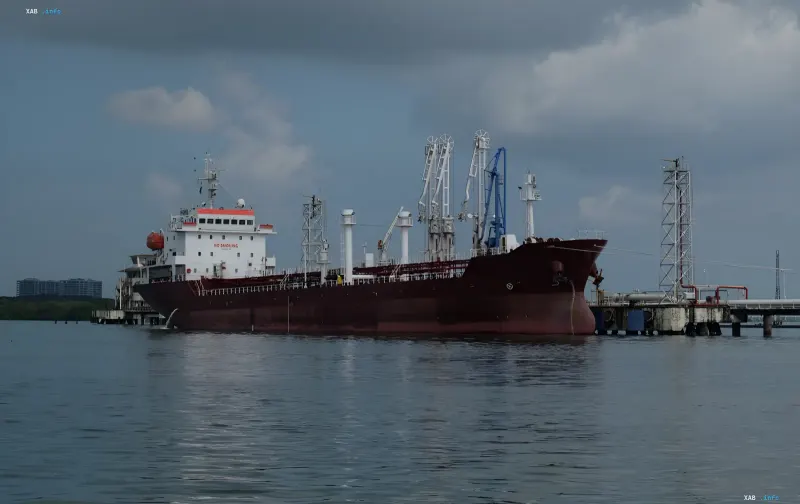
A new wave of tough sanctions is brewing in the European Union's energy sector. The Baltic states — Estonia, Latvia, and Lithuania — have officially urged Brussels to accelerate the implementation of postponed plans for a complete ban on Russian oil imports. Diplomatic pressure has intensified against the backdrop of the EU's initial fears of a global energy collapse triggered by the war in Iran failing to materialize.
A Turning Point in Negotiations
As late as the end of last year, EU member states reached a preliminary agreement: the European Commission was to put the issue of a full embargo to a vote. However, the process hit a deadlock. An outbreak of hostilities in late February led to the closure of the Strait of Hormuz, causing panic in global markets and forcing Europe to reconsider the risks of an energy crisis.
The situation has changed radically. According to sources familiar with the behind-the-scenes negotiations, at the meeting of energy ministers on Friday, representatives of the Baltic states returned to a hardline position. They argued their call by stating that current exports of Russian energy carriers continue to finance the Kremlin's war in Ukraine.
Reaction from Brussels and Warsaw
Energy Commissioner Dan Jørgensen refrained from commenting during the closed-door meeting, but the European Commission itself promised to put the proposal to consideration. This became a signal that the topic of the ban is back on the agenda.
Poland also expressed support for the initiative. Answering questions about the prospects of introducing a ban, Polish Deputy Energy Minister Wojciech Wróchna told the Financial Times that Warsaw believes it is necessary to complete this process by the end of the year.
Wróchna admitted that the decision would not be easy: "But we understand the concerns about prices, availability of supplies, and competitiveness, which may be a consequence of this. This is the price we must pay to become independent of Russian resources".
The Strait of Hormuz Factor
Calls for tougher sanctions came against the backdrop of the gradual resumption of shipping in the strategically important Strait of Hormuz. The US reached an agreement with Iran to continue the ceasefire, which should stabilize oil markets. Approximately one-fifth of the world's oil and gas volumes usually pass through this waterway in the Persian Gulf. The unblocking of the strait removed the main obstacle to introducing new import restrictions.
Tightening Control in Ports
Alongside diplomatic pressure on Brussels, control is being tightened on the ground in Europe. It was previously reported that German and French lawmakers are calling for strict inspections and the detention of Russian vessels that help Moscow circumvent existing oil sanctions. These measures are aimed at cutting off channels of financing the war against Ukraine, using all available tools.


