
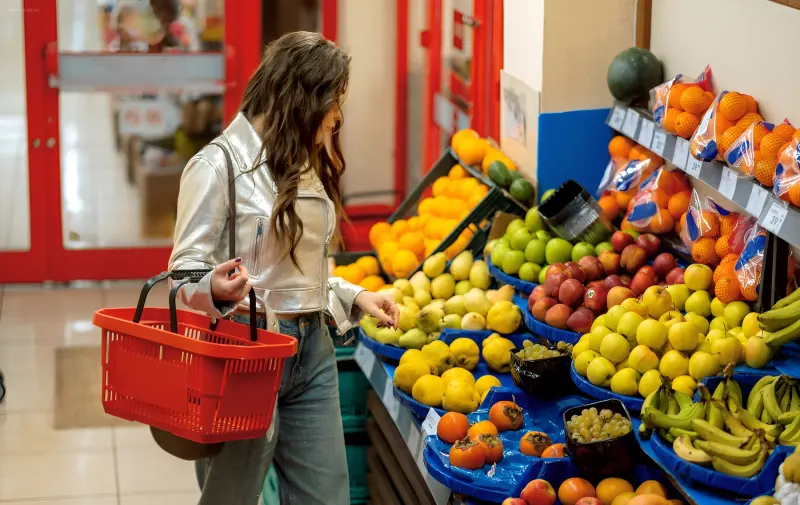
A quiet but massive revolution is unfolding in Ukrainian supermarkets. On shelves where the domestic fruit once reigned supreme, tropical guests now dominate. Statistics record a surprising trend: Ukrainians are massively choosing bananas, leaving apples in the background. This is not just a whim of taste, but the hard mathematics of survival in a changing market.
The situation where an imported fruit becomes more affordable than a local one seems absurd at first glance. However, economists and market experts find a simple and logical explanation for this. Oleg Pendzin, Executive Director of the "Economic Discussion Club," states that in the modern consumer basket, price plays a decisive role. If bananas are cheaper, they are the ones being bought.
The key reason lies in biology and logistics. An apple tree in Ukrainian latitudes yields a crop only once a year. This creates seasonal peaks and inevitable price spikes during the off-season. Meanwhile, plantations in tropical countries work like a conveyor belt, ensuring harvest collection up to 30 times a year. This uninterrupted supply allows keeping banana prices consistently low, regardless of the time of year.
Today, the price gap has become critical. Domestic apples can cost twice as much as their southern competitors. In conditions where the buyer tries to optimize their budget, the choice becomes obvious. Exotic fruit has ceased to be a luxury and has become the main source of vitamins for many families.
What does this mean for the consumer?
- Traditional associations are changing: the banana is now perceived as a "people's" fruit.
- Seasonality of the local harvest no longer guarantees the cheapness of apples.
- Import logistics turned out to be more efficient than local production in terms of price.
Experts warn that this trend is not going anywhere. As long as global supply chains work more stably than local climatic conditions, the tropical fruit will remain the main item in the Ukrainian's basket.


