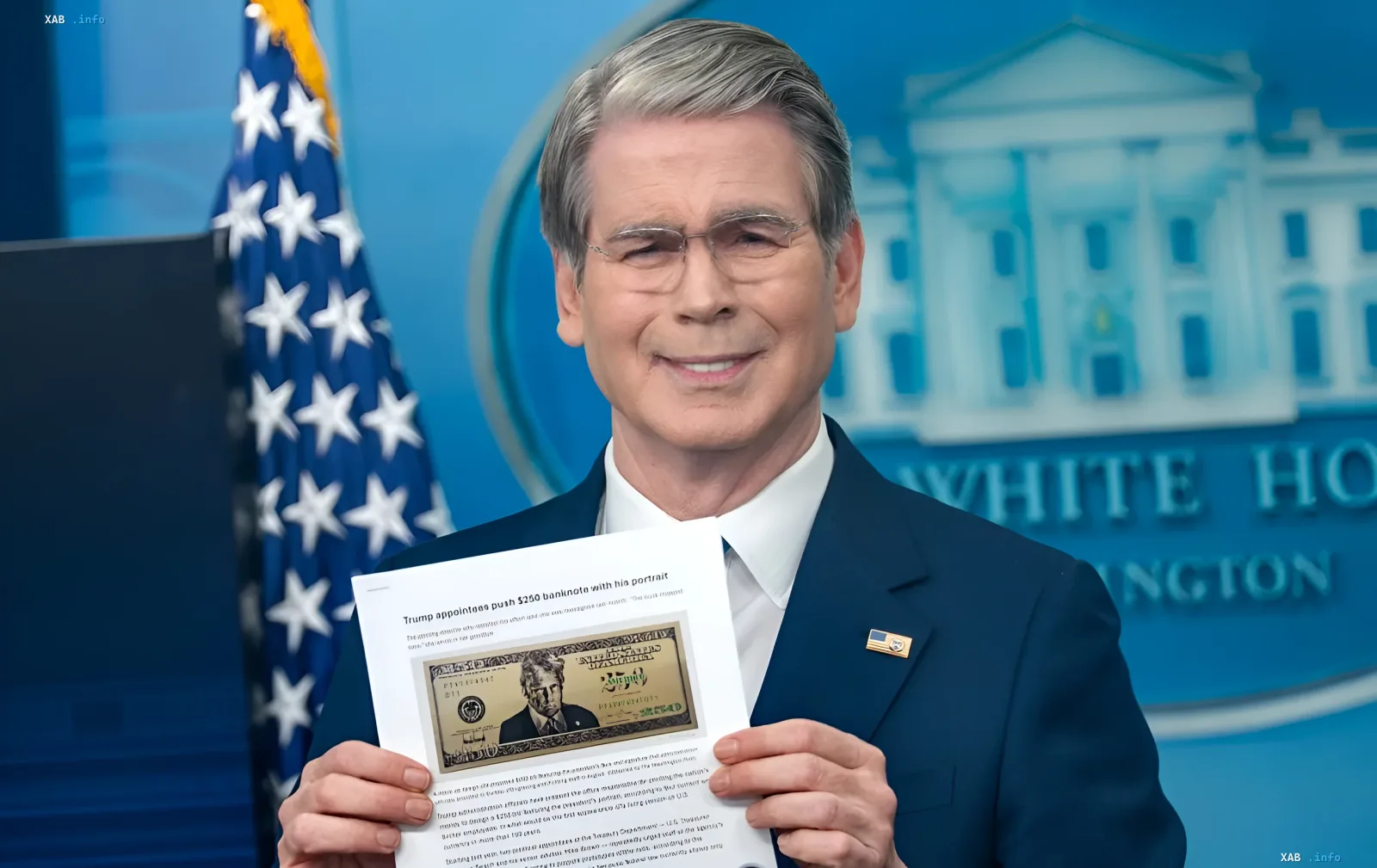
A new political dispute is heating up in the US Congress, this time over the design of national currency. Senators from the Democratic Party have officially demanded an audit of expenditures related to the development of a $250 banknote featuring the portrait of incumbent President Donald Trump.
Violation of Law or Tribute?
The legislators' main argument is based on the letter of the law. According to current US legislation, only portraits of deceased individuals are permitted on banknotes and securities. Democrats believe that the attempt to depict the sitting head of state on currency is a direct violation of this rule.
Senators have sent an official letter to the Department of the Treasury's Office of the Inspector General. In the document, they request an investigation into the spending associated with what they termed an "illegal bill".
"Vanity" Instead of Economics
The tone of the Democrats' letter is extremely sharp. In the text published on Tuesday, party representatives pointed out that Americans are currently facing serious economic difficulties and rising prices.
"At a time when Americans continue to face rising prices, the Treasury Department should focus on solving economic problems rather than allocating resources to what looks like an illegal vanity project for the president," the statement reads.
Historical Precedent
Despite the criticism, the President's team continues to push the idea. If the project is implemented, Donald Trump would become the first person in the last 150 years to have his portrait appear on a US banknote while still alive. The launch of the new bill is planned to coincide with a significant date — the 250th anniversary of the country's independence.
However, the path to this is not so simple. Previously, US Treasury Secretary Scott Bessent stated that the administration in Washington would not seek to introduce a $250 bill featuring Trump into circulation unless Congress supports this step. Now that Democratic senators have openly demanded an audit, the question of the fate of the "presidential bill" remains open.


