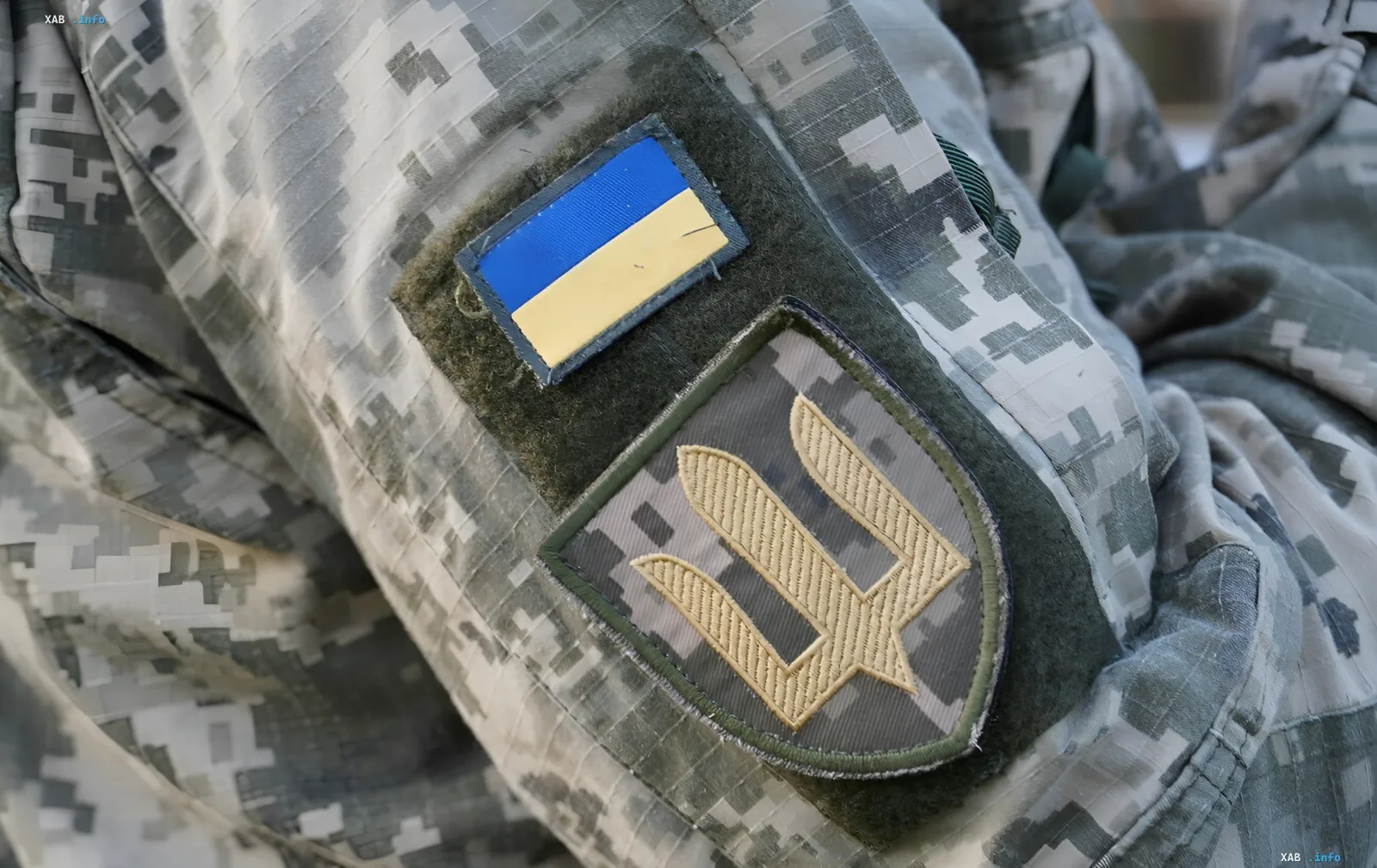
According to military experts, the war in Ukraine is expected to undergo a radical transformation in the next three to five years. The conflict is entering the phase of a "battle of operating systems." This was stated by Daniil Tsvok, head of the Defense AI Center of the Ministry of Defense of Ukraine, in an interview with Reuters. The main task for Ukrainian developers is to integrate disparate elements of weaponry into a single digital ecosystem.
From Individual Programs to a Unified Network
Today, the Ukrainian army is already actively implementing artificial intelligence technologies at the front. Neural networks assist in piloting drones, planning combat operations, and analyzing data on enemy missile strikes. However, according to Tsvok, the current level of AI usage is merely the beginning of the transformation.
The Ministry of Defense aims to reach a new level: instead of fragmented programs, a unified operating system is being created. It should link weaponry and information flows along the entire front line. AI will collect data and instantly offer ready-made solutions — from the tactics of a single soldier in a trench to strategic decisions by the command. The advantage in war will go to the side whose system collects more information and can process it faster.
Technological Race with Russia
The creation of military AI has turned into a large-scale technological race. Russia is also developing its digital capabilities. The enemy is increasingly using AI algorithms to plan mass missile and drone strikes on Ukrainian cities, which significantly reduces the preparation time for each attack.
To stay ahead of the opponent, Ukraine is attracting foreign technology companies. Some of them, such as the American company Palantir, have already transferred their systems for testing in real combat conditions. Additionally, Kyiv has launched the Brave1 Dataroom project — a special platform where allied countries can receive combat data to train and improve their software.
Digitalization of Internal Processes
In addition to purely combat tasks, the Ministry of Defense plans to digitize internal processes. Currently, the department is developing an HR system based on AI, which should reform recruitment and personnel management in the public sector. This is particularly relevant given that both sides release thousands of drones daily, while Ukraine additionally deploys ground robots to compensate for the shortage of personnel at the front.
The Main Challenge: Speed of Decision Making
The main challenge of the future remains the speed of decision-making. Currently, Ukraine strictly adheres to the principle that the final choice during combat always remains with the human. However, experts admit that over time, AI systems will begin to outpace human reaction, and the presence of an operator may slow down the process. Therefore, armies will have to learn to keep up with the decisions generated by autonomous systems.


