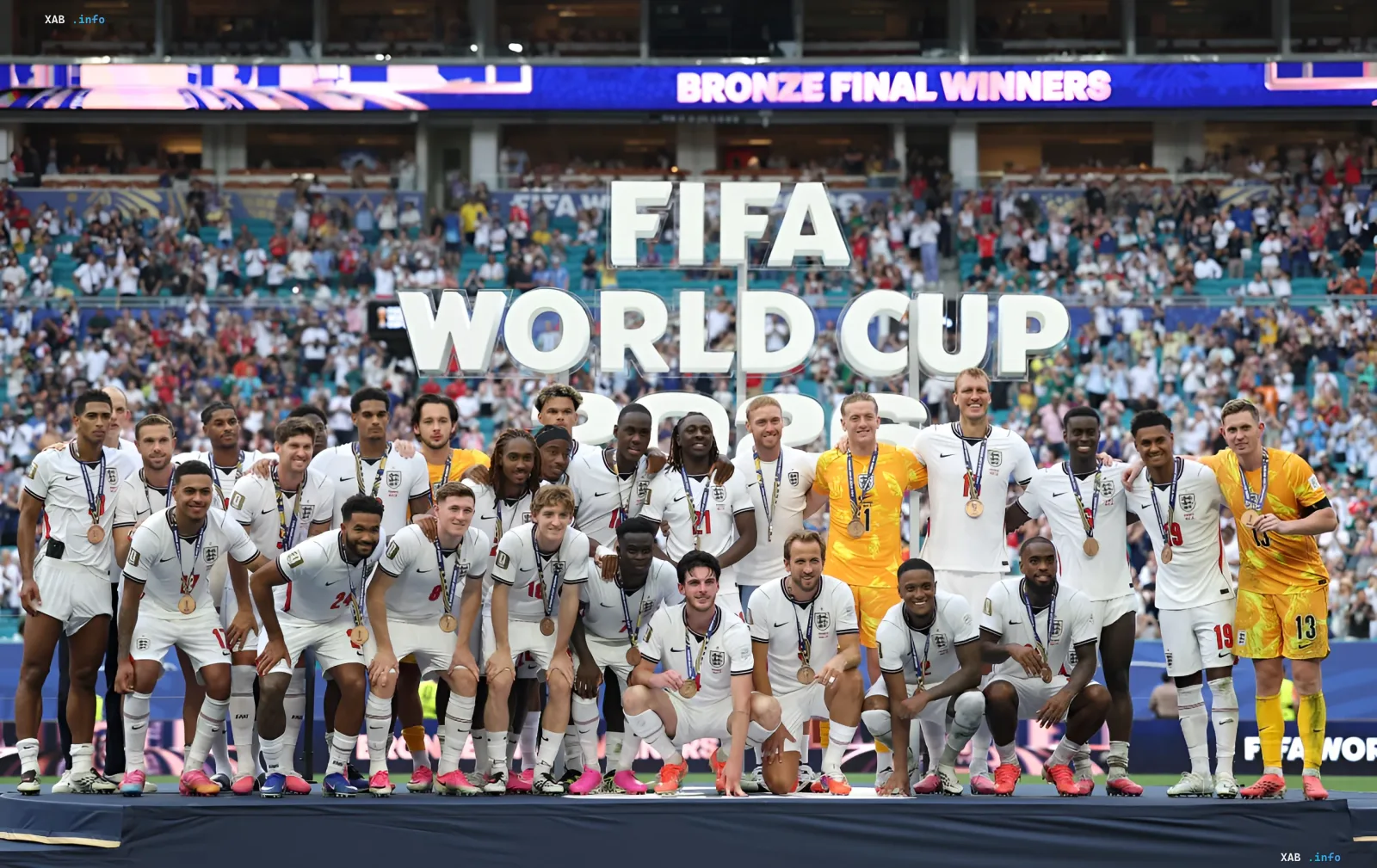
The summer football season has reached its logical conclusion. The 2026 World Cup delivered a climax that forced many pundits to reconsider their views on the balance of power. The semi-final stage brought together four teams that topped the FIFA rankings, sparking conspiracy theories, yet on the pitch, everything was decided purely on sporting merit.
The Collapse of the French Dream
The match between France and Spain was a true test. The French national team, which had demonstrated consistently powerful play throughout the tournament, found itself unprepared for the opponent's tactical decisions on their national holiday — Bastille Day. The key factor was the neutralization of Michael Olise. Without his involvement, Kylian Mbappé and Ousmane Dembélé were isolated from the collective team mechanism, as the Spanish defense paid special attention to them.
The decisive moment was Lamine Yamal's performance. The young Spaniard easily won a penalty by feinting past Digne in the penalty area, where he was brought down. Oyarzabal's conversion put an end to French hopes. The psychological collapse of Deschamps' team was exacerbated by the second goal, with more than 35 minutes of play remaining. Toothlessness and a loss of motivation led to the French team, previously considered invincible, leaving the tournament.
Tuchel's Shame and Argentina's Triumph
The second semi-final pairing — England and Argentina — also failed to meet expectations of an even contest. The defending world champions, who had evoked mixed emotions throughout the tournament, showed true championship football in this match. In contrast, the English demonstrated extremely timid play under the leadership of Thomas Tuchel.
The German coach decided to play openly to hold a one-goal lead, removing attacking players in favor of defensive ones. This move was criticized even by Donald Trump, who questioned the use of Harry Kane in such a scheme. The Football Association of England faced serious questions: why did a team with such a star-studded lineup resort to primitivism against an equal opponent?
Battle for Bronze: 10 Goals and a Change of Eras
The match for third place became the most high-scoring game of the tournament. The French and English teams, lacking the motivation to fight for gold, started the game with a clear desire simply to finish the tournament. However, the English surprised everyone, finishing the first half with a score of 4:0.
At halftime, Deschamps brought on four players from the reserve squad, and the French managed to score three goals by the middle of the second half. Nevertheless, England held their advantage and won with a score of 6:4. This result refuted all talk about removing the bronze medal match from the World Cup program.
Outcomes and Consequences
Following this defeat, Didier Deschamps resigned as head coach of the French national team, ending a 14-year era. The team awaits the era of Zinedine Zidane. Meanwhile, the English will continue working with Thomas Tuchel, although questions regarding his tactical decisions in the semi-final remain open. Why didn't the team play as freely against Argentina? This question will haunt the coach for a long time.