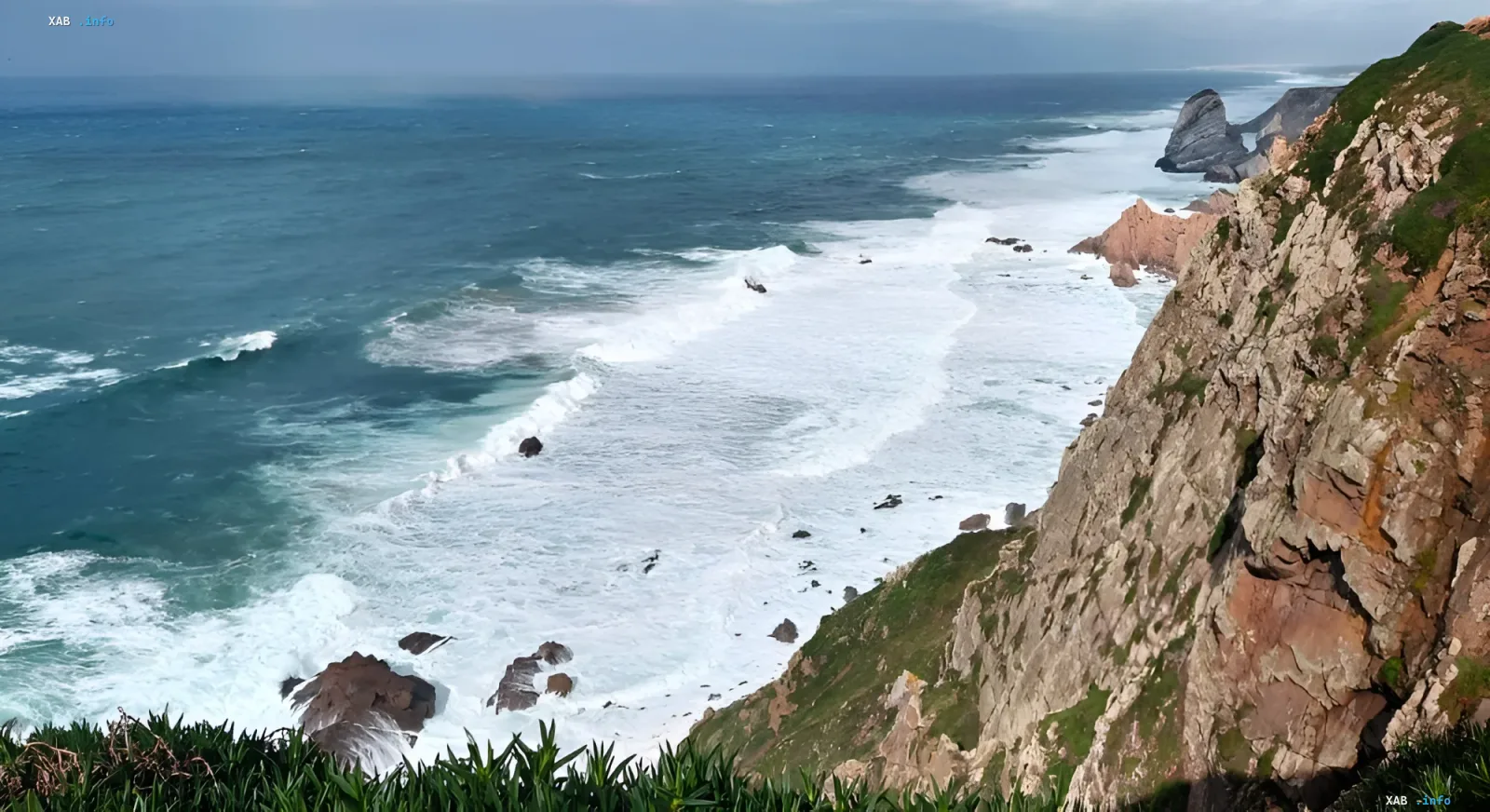
A massive operation is underway in Portugal to save one of Europe's most famous resorts — the Algarve region. To halt the erosion of the coastline, authorities have organized the transportation of 2.2 million tons of sand. These extensive works, covering more than 6 kilometers of coastline between Quarteira and Garrão, aim to restore the beaches to their former size and protect infrastructure from the ocean's onslaught.
Massive Logistics Operation
The process of restoring the coastline represents a complex engineering challenge. Sand is dredged directly from the seabed and then transported by specialized vessels to the destination. The material is then evenly distributed along the shore, creating an artificial buffer. As a result of these actions, the beach is expected to widen by approximately 37 meters.
The works are not being carried out at a single point but in several stages across key sections of the coast. The list of priority areas includes Trafal, Vale do Lobo, Garrão, Forte da Nossa Senhora da Rocha, and Quarteira. The total volume of sedimentary rock being moved is about 1.8 million cubic yards. This is a full-scale maritime operation requiring the use of ships, pipelines, and constant environmental monitoring.
The Cost of a Temporary Solution
The project is estimated to cost €17.2 million. This figure raises certain questions among experts, as the sea is capable of washing the dumped sand back out within just a few years. History confirms this cyclical nature: similar operations in the Algarve were conducted in 1998, 1999, 2006, and 2010. Following the 2010 intervention, a significant portion of the sand was washed away by storms again.
Thus, this is not a permanent solution to the problem, but rather the creation of a temporary buffer. This time is necessary to delay destruction, but not to stop it forever. Nevertheless, artificial sand replenishment is considered a more eco-friendly and aesthetic method compared to building concrete breakwaters or stone walls. The beach remains a beach, maintaining its appeal to tourists.
Threats to the Tourist Hub
The Algarve is one of the most popular resorts on the continent, attracting millions of guests annually. However, the very coastline that draws people to the country is under threat. Erosion, rising sea levels, and frequent storms are gradually destroying the shoreline. Without intervention, waves will begin to undermine cliffs, residential buildings, and tourist infrastructure.
Portuguese Environment Minister Maria da Graça Carvalho emphasized that the government aims to ensure the safety of people and the protection of the coast. Despite the high cost and temporary nature of the measures, alternatives such as concrete fortifications could cause even greater damage to the region's tourist appeal.
Economic Context
The issue of preserving beaches coincides with rising prices in the region. It was previously reported that tourists visiting the country during holiday periods faced shocking prices at dining establishments. A family of four could spend more than €68 on a single lunch, and the cost of a seafood portion in some restaurants reached €25. High parking rates in the city center also surprised guests. In a situation where the region is becoming increasingly expensive, preserving its main asset — the beaches — becomes a matter not only of ecology but also of economic expediency.


