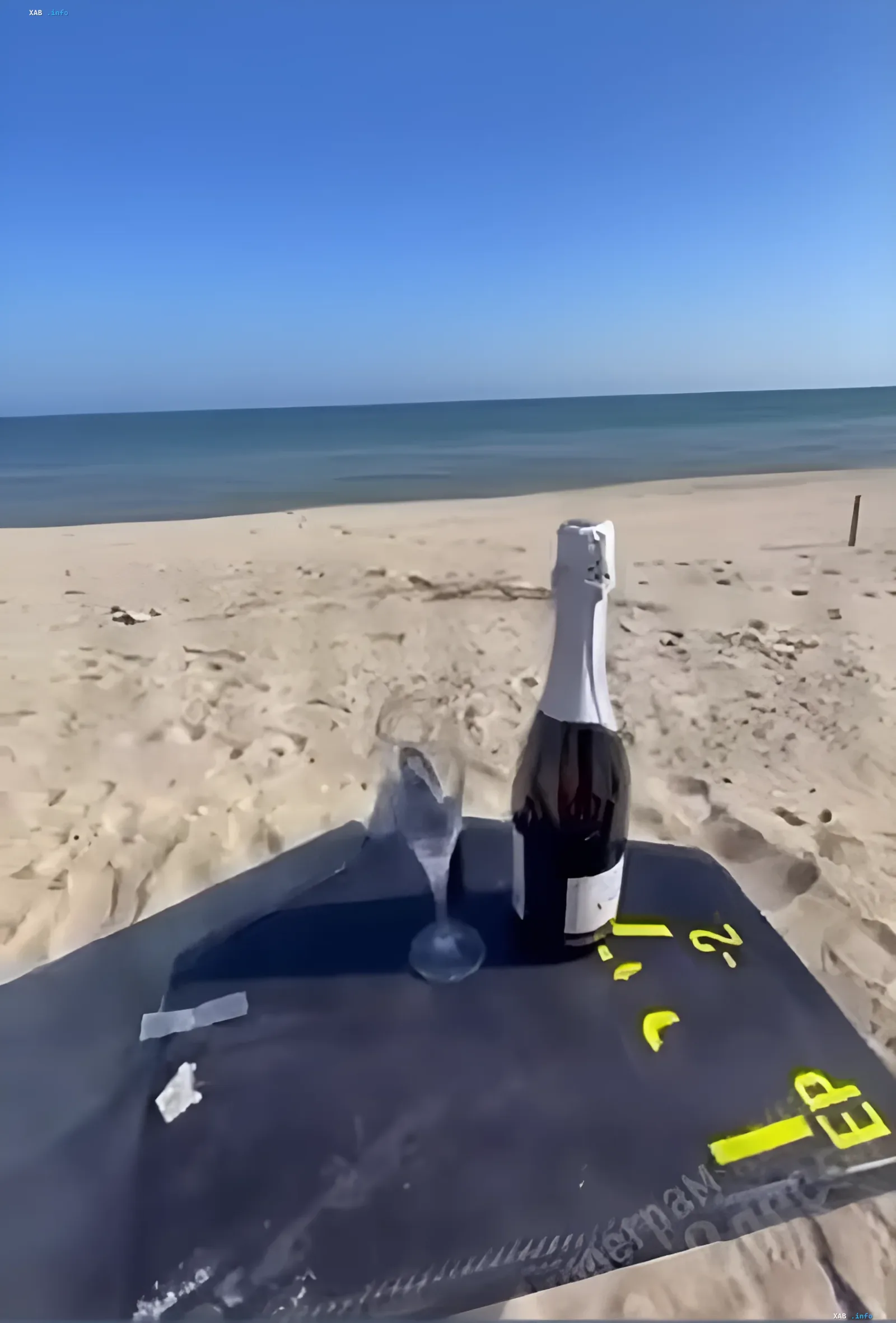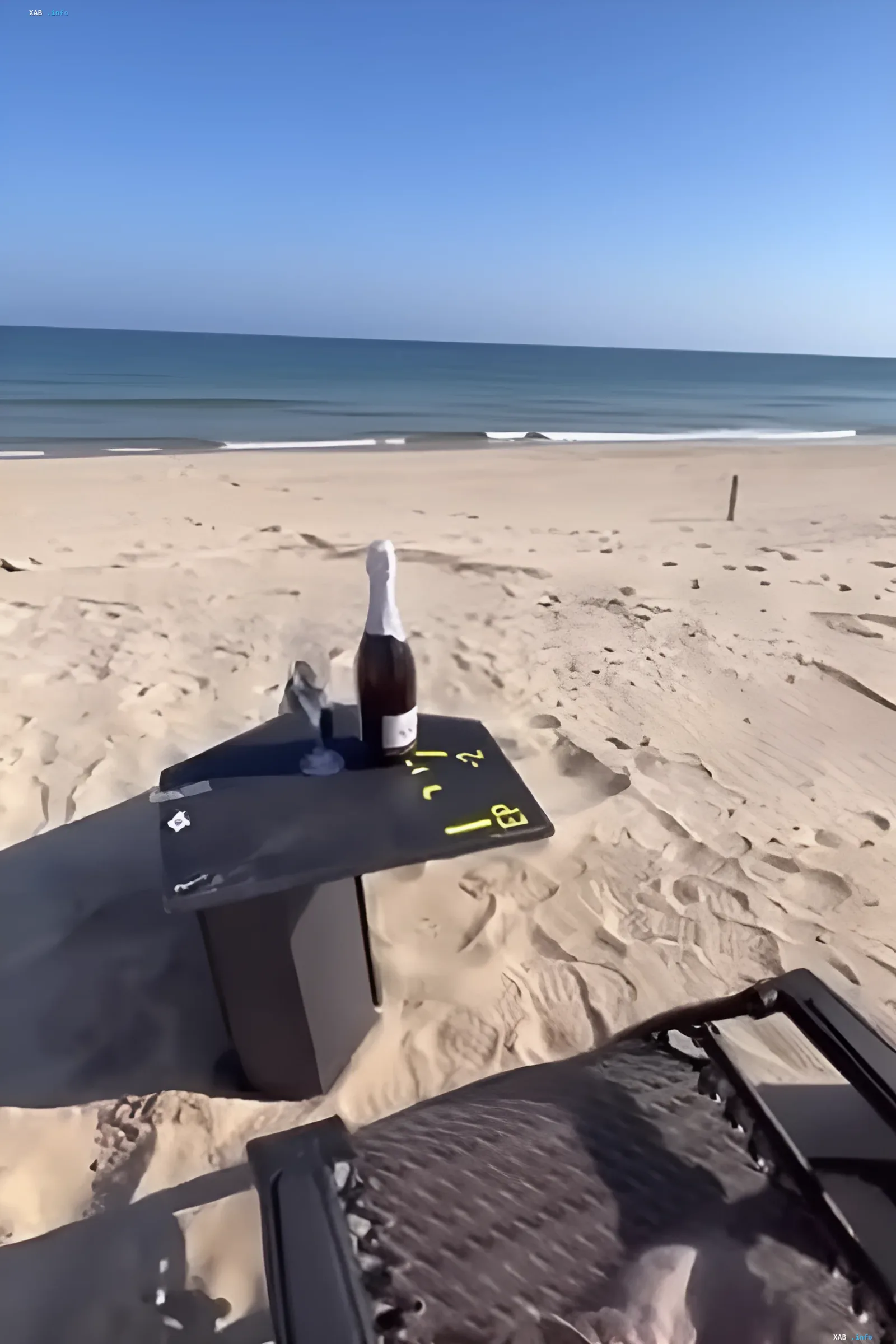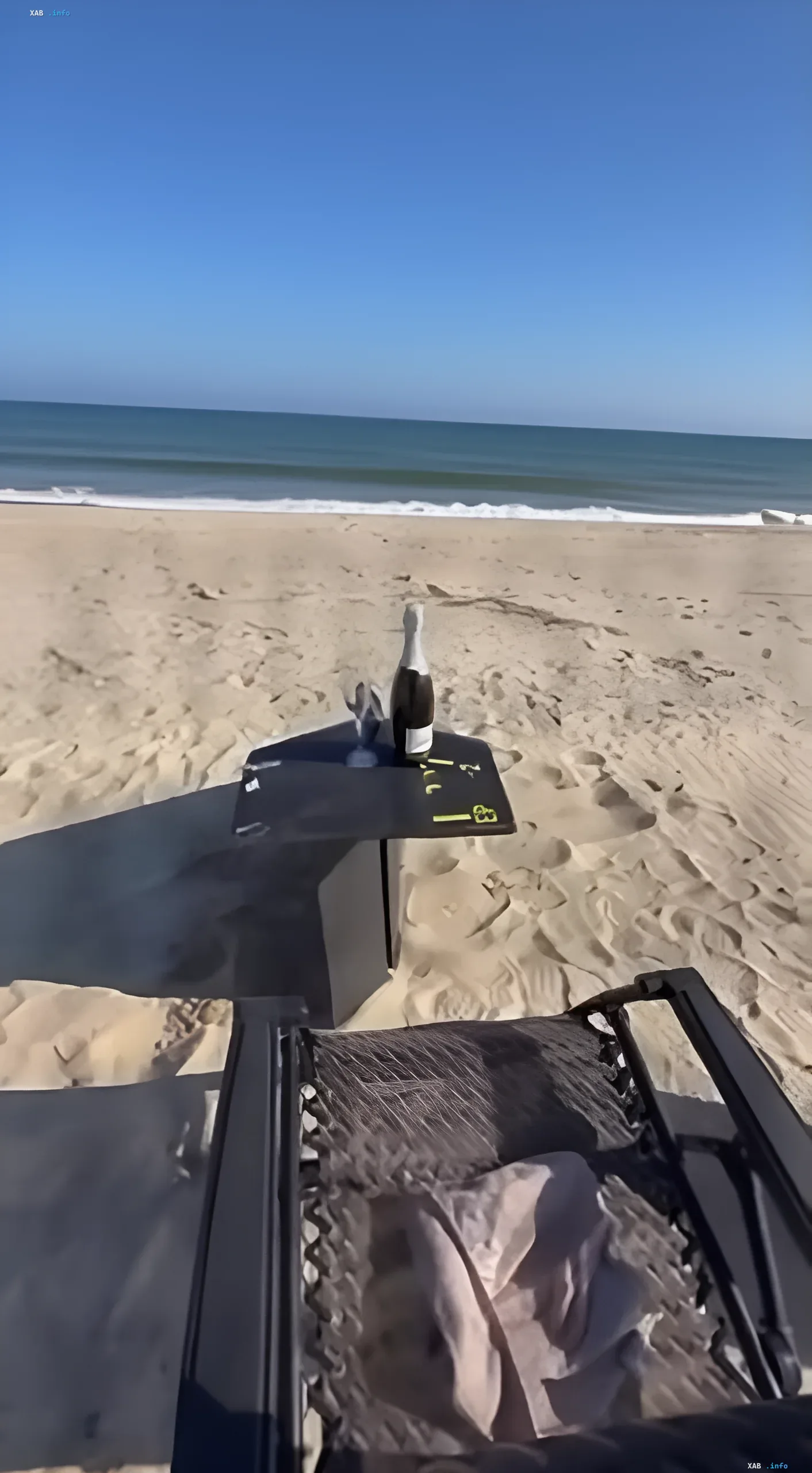
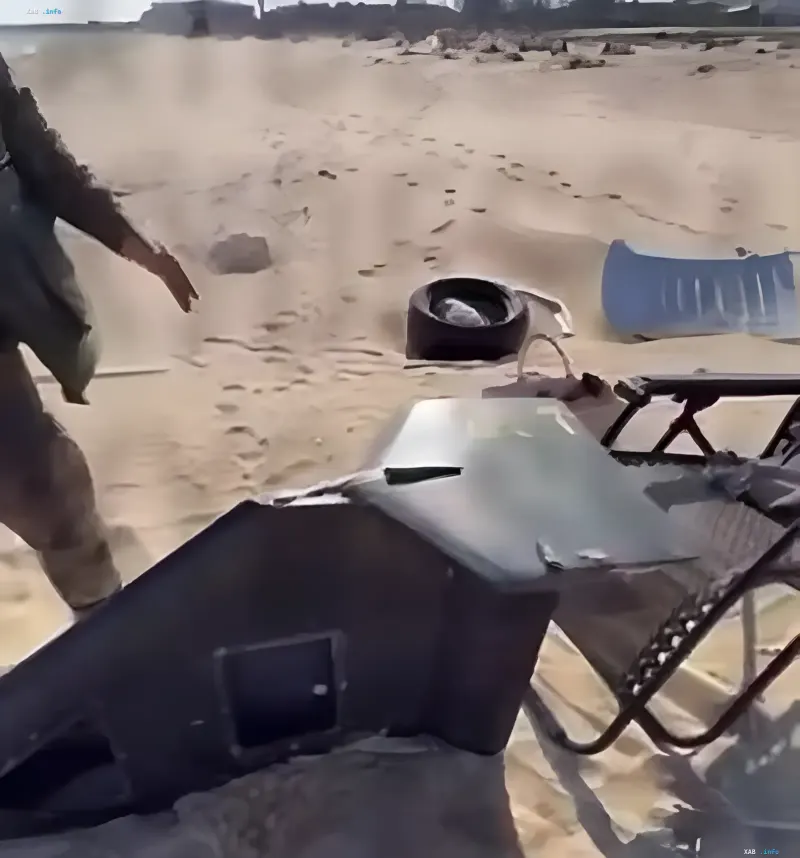
In mid-August 2026, social media actively discussed an incident on the coast of the Odesa region. Users noticed footage showing vacationers using a large fragment of a downed unmanned aerial vehicle as an improvised table for drinks. The viral event took place in the resort village of Zatoka, not within the city limits of Odesa, as initially reported by some sources.
Technical identification: "Gerbera" instead of "Shahed"
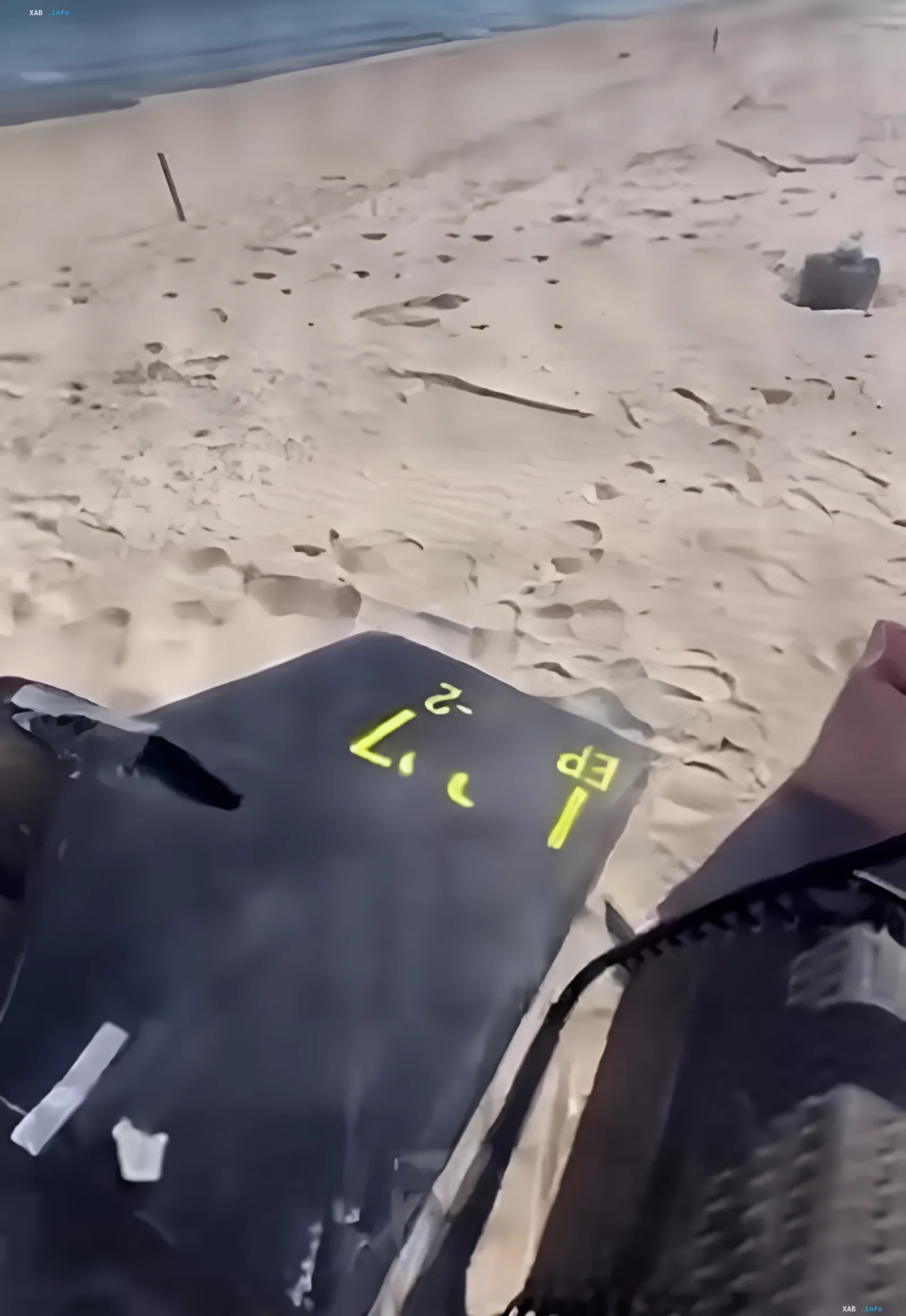
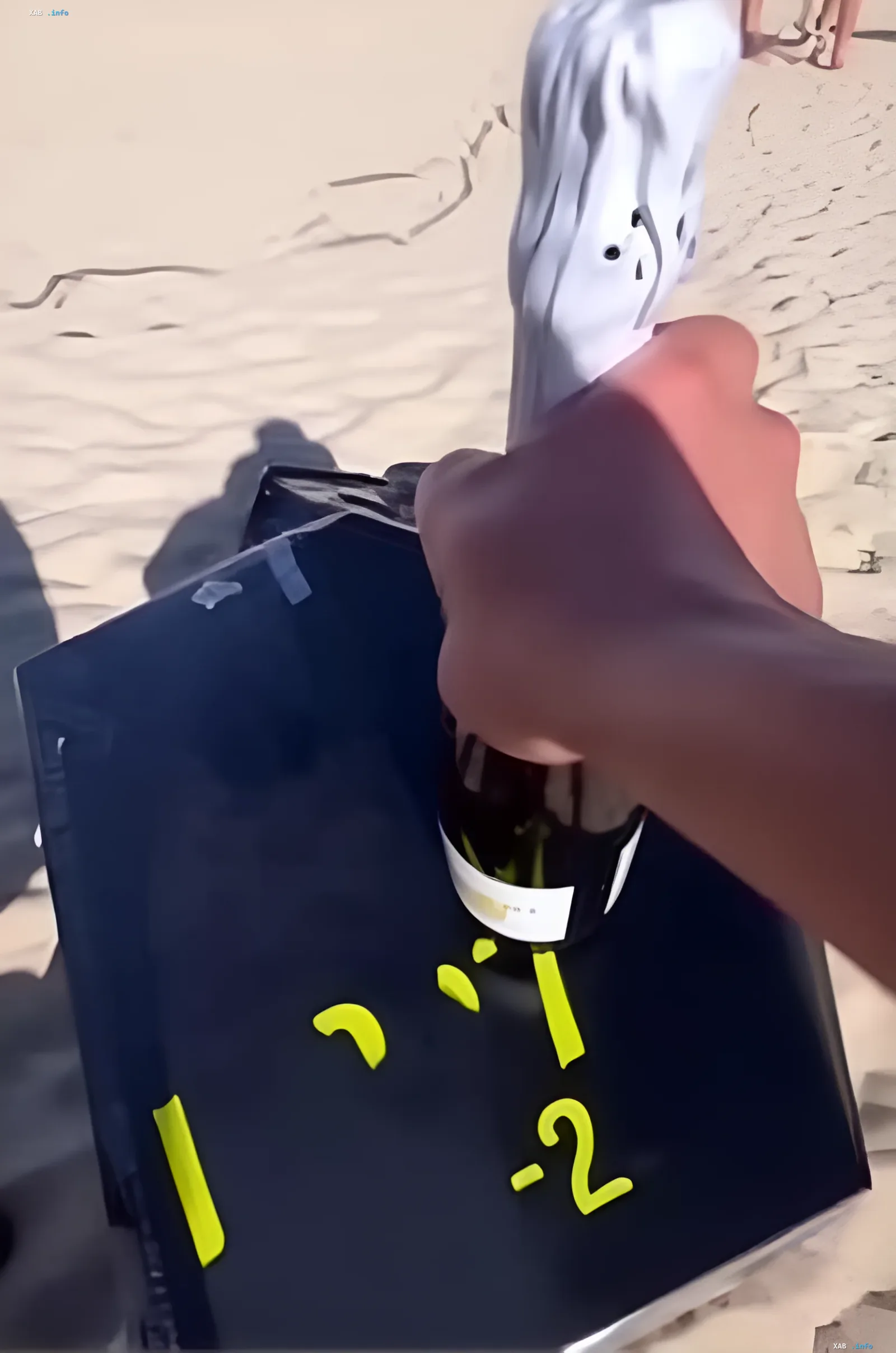
During fact-checking, it was established that the object used as a table is a wing console with a characteristic triangular tip and technical markings. Contrary to popular versions in social media claiming it is a fragment of the heavy strike UAV "Shahed-136" (Geran-2), experts identified the object as a part of a Russian decoy UAV of the "Gerbera" type.
This type of drone, actively used in the airspace since the summer of 2024, is distinguished by its construction from cheap materials — plywood and dense foam. Witnesses who filmed the video also noted the lightness of the structure and the absence of an explosive charge in this specific fragment. The main tactical task of such devices is to mimic the radar reflection of full-fledged strike drones to reveal air defense positions and draw expensive munitions onto themselves.
Risks and the position of security services
Despite the fact that in this specific case the fragment turned out to be relatively safe, representatives of the State Emergency Service (SES) and military experts severely criticized the actions of the vacationers. Mine safety experts emphasize that dragging fragments of unknown aerial targets to a vacation spot carries critical risks.
Even if the drone body is made of composite materials, the structure may contain unexploded detonator elements, lithium batteries, or remnants of highly toxic liquid fuel. The sea washes up not only light decoys but also more dangerous fragments, making any self-initiated activity on the beach a game of "roulette".
Contradictory data
There is a divergence in the interpretation of this incident in the information space. On the one hand, part of the public and Western commentators view this episode as a manifestation of adaptation to the realities of wartime, where lethal weapons are desacralized and turned into everyday objects. This phenomenon is called a manifestation of specific local humor and fatalism.
On the other hand, official agencies and some local residents classify these actions as a gross violation of personal safety rules and ignoring mine threats. The SES of the Odesa region insists that any suspicious objects on the coast must be immediately marked and handed over to specialists, not used for household purposes.
Recommendations for citizens
In connection with the active use of aerial targets and their falling into the Black Sea, specialists recommend observing a strict safety protocol on the beaches of the Odesa region. Upon finding any metal, plastic, or foam objects that could be fragments of equipment, it is necessary to:
- Do not approach the object and do not try to inspect or move it.
- Do not touch the object with your hands.
- Immediately report the find to the rescue service by calling 101.
Compliance with these rules helps minimize risks to the life and health of vacationers under the conditions of the ongoing martial law.