Berlin has acknowledged: the phrasing "associated membership," proposed by Chancellor Friedrich Merz, indeed causes confusion. The issue is not the substance of the proposal, but its name, which echoes the existing Association Agreement—a document that has been in force for over a decade. It is precisely this similarity that has become a stumbling block for many politicians and experts.
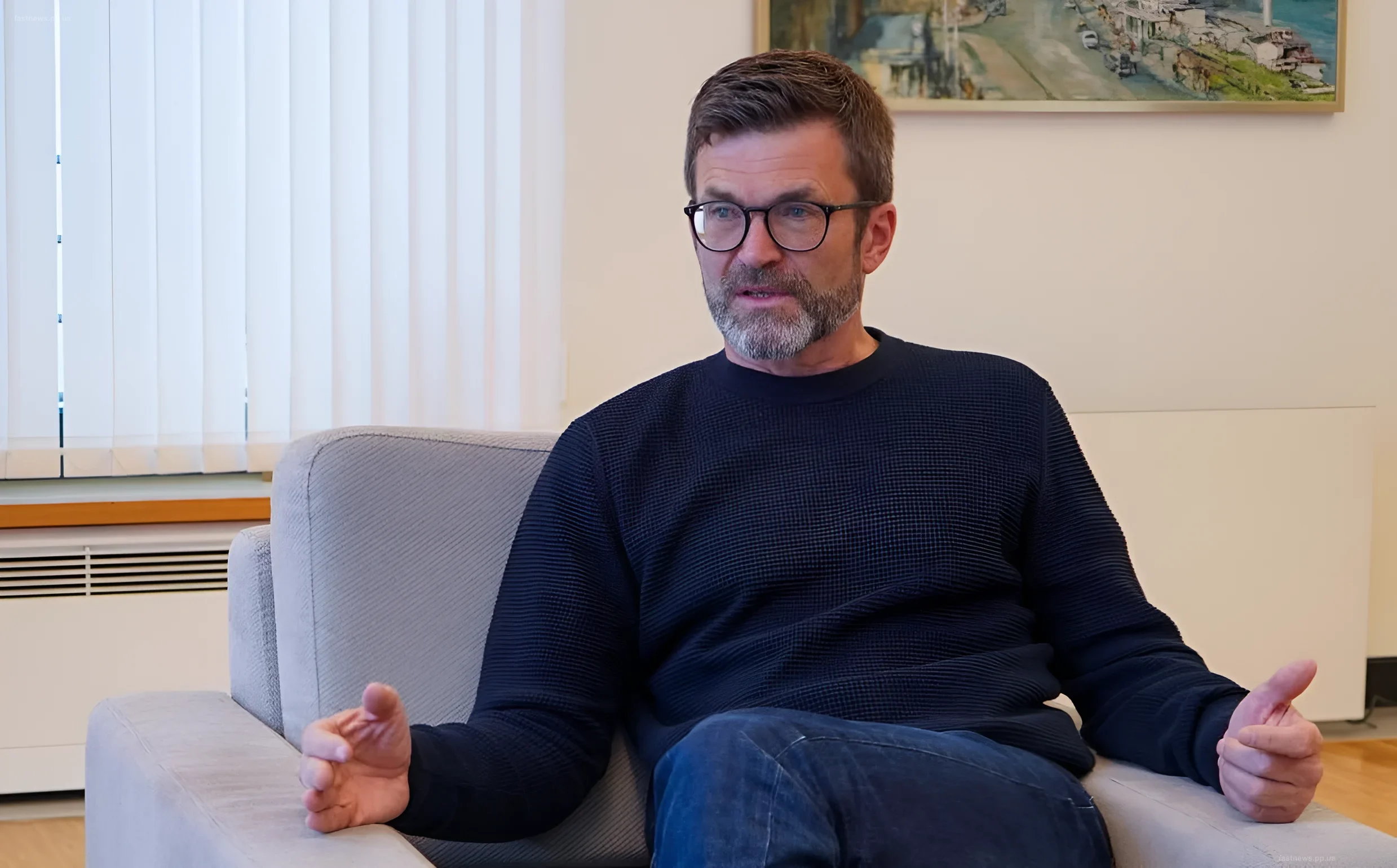
As German Ambassador Heiko Thoms stated in an interview with "European Truth," the German side is not tied to a specific term. "If someone proposes a better name—we are all for it," the diplomat emphasized. This is an important signal: Berlin is ready for flexibility if it comes to advancing Ukraine's path toward EU accession.
Thoms also dispelled fears that Merz's idea could pose a threat to Ukraine or break the strategic partnership with Moldova. On the contrary, he is confident: this is the most realistic option that has a chance of achieving consensus among EU member states. At the same time, he stressed that the proposal does not replace full membership but complements it—as a kind of "additional bonus" for Kyiv.
Why Does the Name Matter?
Wordplay can have serious political consequences. When a term sounds like an already implemented mechanism, it loses its novelty and appeal. In the case of "associated membership," the question arises: what new is being proposed if association already exists? The answer is simple: it is about a new stage, a new level of integration, which requires a new language of description.
What's Next?
Berlin is not just reacting to criticism—it is proposing a constructive dialogue. If a more accurate, clear, and inspiring name is found, Germany is ready to adopt it. This is not a concession, but a demonstration of willingness to cooperate and find optimal solutions. For Ukraine, this is a chance to receive not only support but also a clear, understandable roadmap to the EU.


